

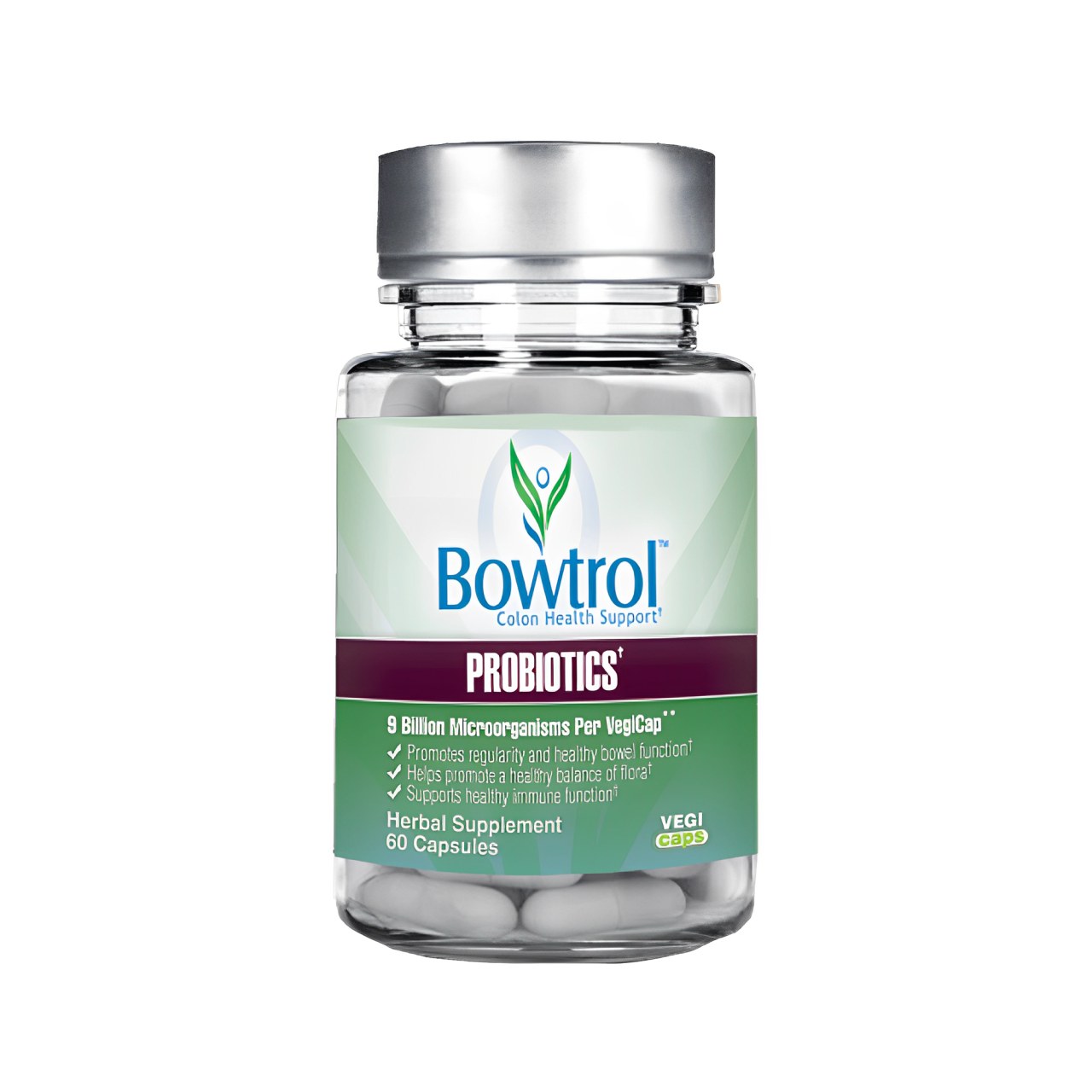
Bowtrol Probiotics Digestive Health Supplement - 60 Capsules
Buy Now — opens in a new tab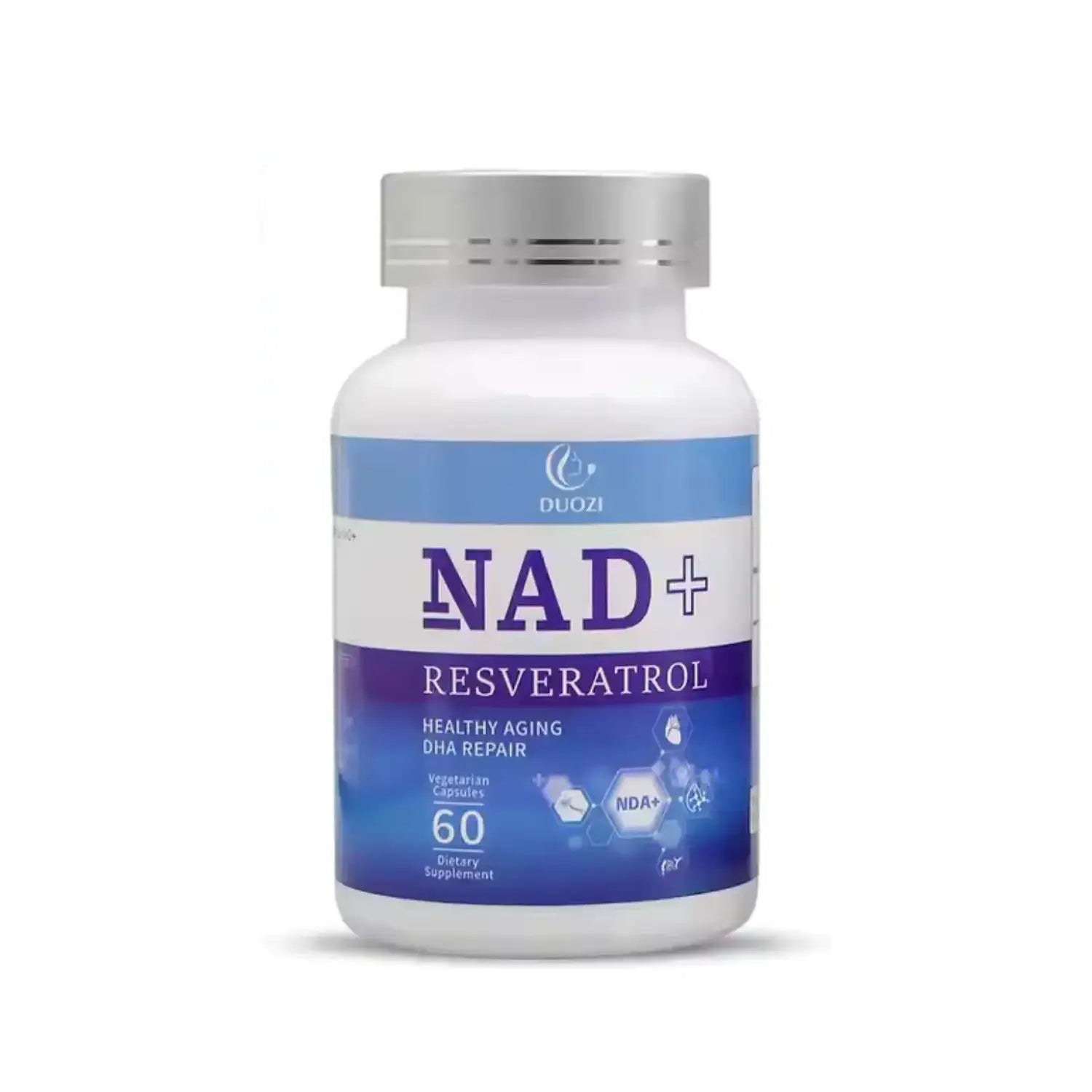
High-potency NAD+ supplement with 400mg per serving
Buy Now — opens in a new tab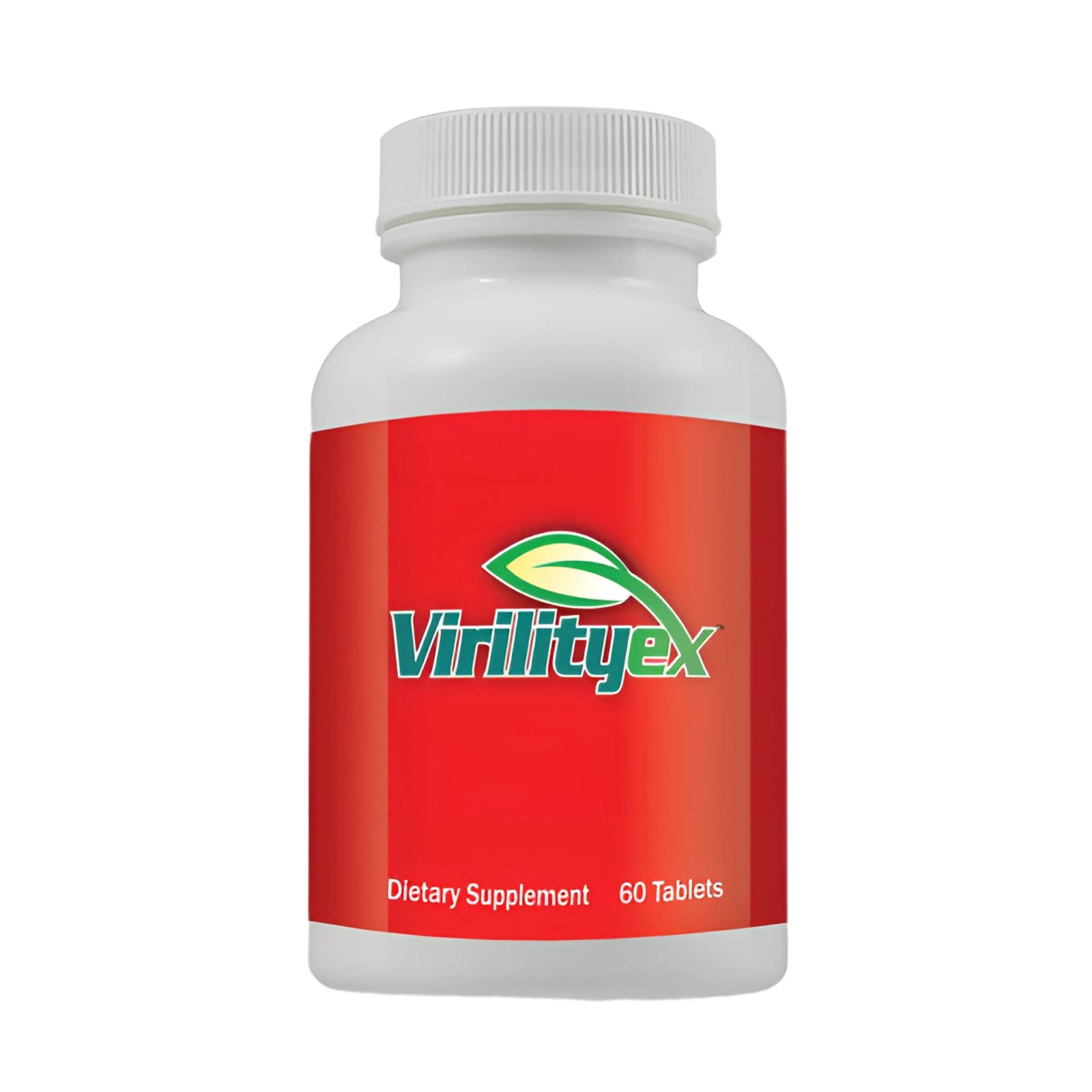
Virility EX Men's Dietary Supplement - 60 Tablets
Buy Now — opens in a new tab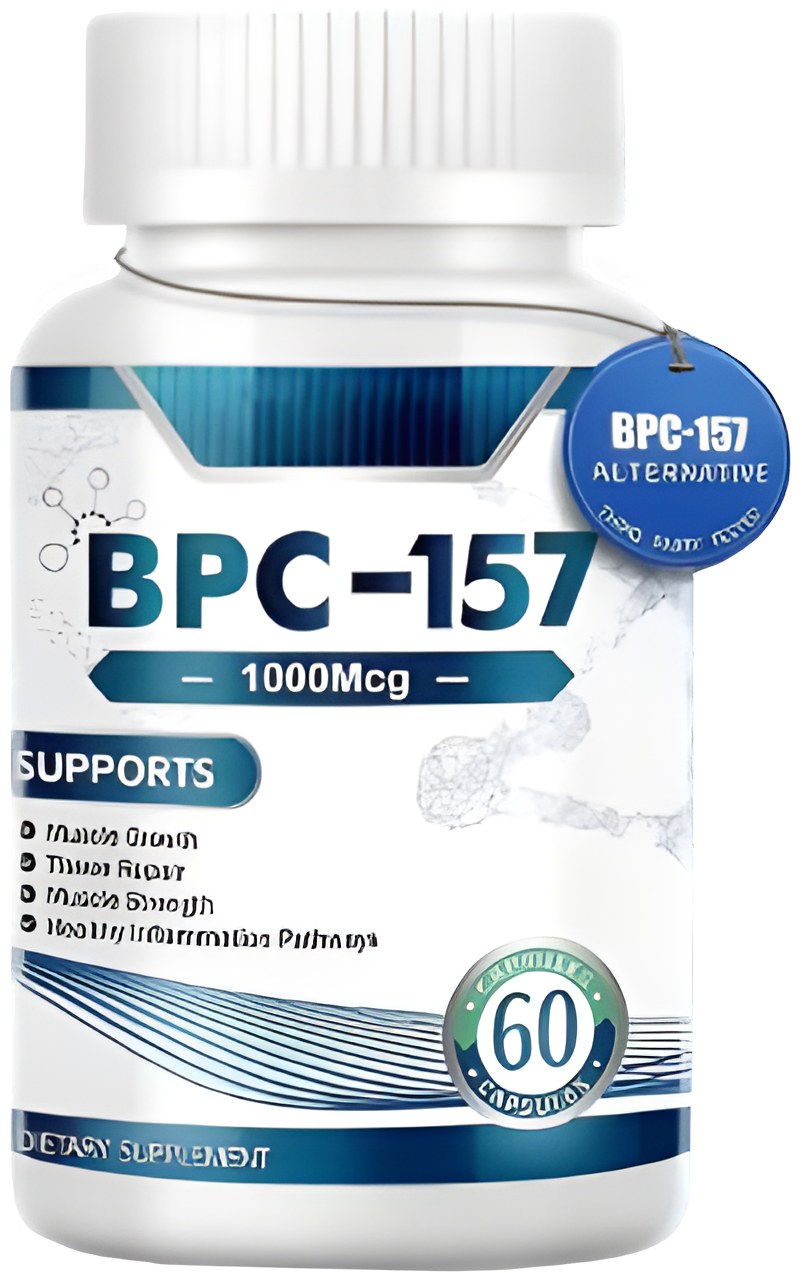
HealthBuy BPC-157 Alternative - 1000 mcg, 60 Oral Capsules
Buy Now — opens in a new tabBefore vs After Meal Prep Organization for High Fiber Foods
An illustrative before-and-after guide for High Fiber Foods, comparing last-minute meals with prepared meal components through practical, flexible habits.
A practical comparison can make a routine easier to understand while still respecting individual health, culture, access, and schedule needs. This educational concept combines High Fiber Foods with meal prep organization and is explicitly illustrative. It does not depict a real customer, client, patient, testimonial, or documented result.
The “before” side represents last-minute meals: Meals are decided when time and energy are already limited, so ingredients and portions feel harder to coordinate. The “after” side represents prepared meal components: A few flexible components are prepared or grouped in advance, leaving room for appetite, culture, budget, and schedule changes. For High Fiber Foods, the comparison centers on planning and food access rather than a restrictive diet promise. Appetite, culture, allergies, budget, medications, medical conditions, cooking access, and professional advice can all change what a useful routine looks like.
Identify the first thing that usually stops the plan, then change that step before adding new ones.
Try these practical steps:
-
Choose two versatile ingredients: Treat this as a flexible cue. Begin with the easiest version, use tools already available, and adjust or stop when the step is unsuitable.
-
Prepare one protein or alternative: Treat this as a flexible cue. Begin with the easiest version, use tools already available, and adjust or stop when the step is unsuitable.
-
Wash or portion produce: Treat this as a flexible cue. Begin with the easiest version, use tools already available, and adjust or stop when the step is unsuitable.
-
Store components safely: Treat this as a flexible cue. Begin with the easiest version, use tools already available, and adjust or stop when the step is unsuitable.
Keep a full version for an ordinary day and a short version for a busy one. Set it aside when illness or injury changes what you can do.
After trying the plan, check which action felt easier to repeat. Use that observation to choose the next adjustment.
Get individual advice about major dietary or activity changes when a health condition or medication is involved. Stop activity for pain, dizziness, chest discomfort, or unusual breathlessness.
Use the comparison as a planning prompt, not proof of a guaranteed outcome, and revise it when your needs change.
Illustrative meal prep organization comparison for High Fiber Foods; conceptual behavior change, not a documented personal result.
1 views · Published Oct 9, 2026
Creator: How To Lose Weight Gallery
Copyright: How To Lose Weight Gallery
Image license
Bowtrol Probiotics Digestive Health Supplement - 60 Capsules
Buy Now — opens in a new tab
High-potency NAD+ supplement with 400mg per serving
Buy Now — opens in a new tab
Virility EX Men's Dietary Supplement - 60 Tablets
Buy Now — opens in a new tab


