

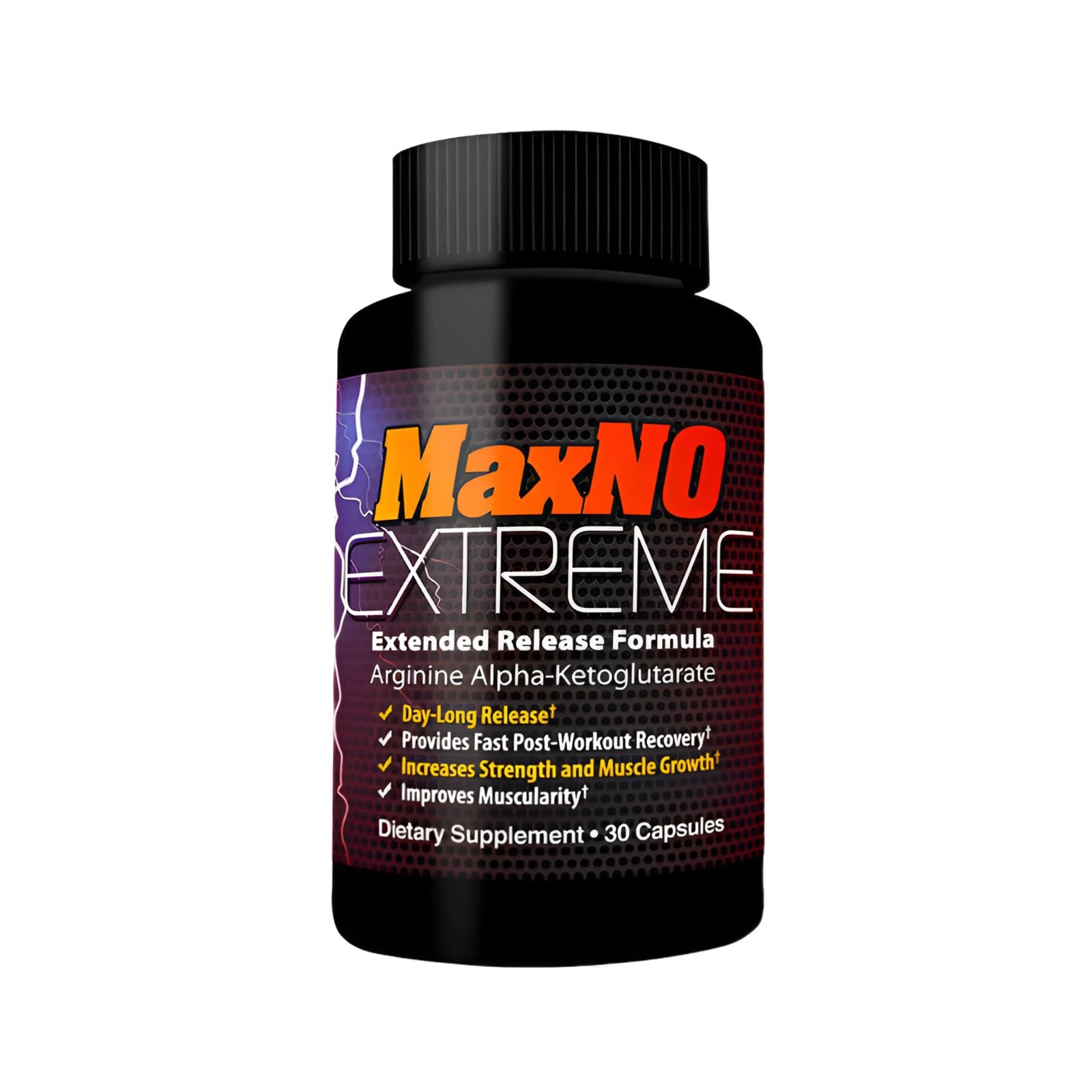
MaxNO Extreme Arginine Alpha-Ketoglutarate Supplement - 30 Capsules
Buy Now — opens in a new tab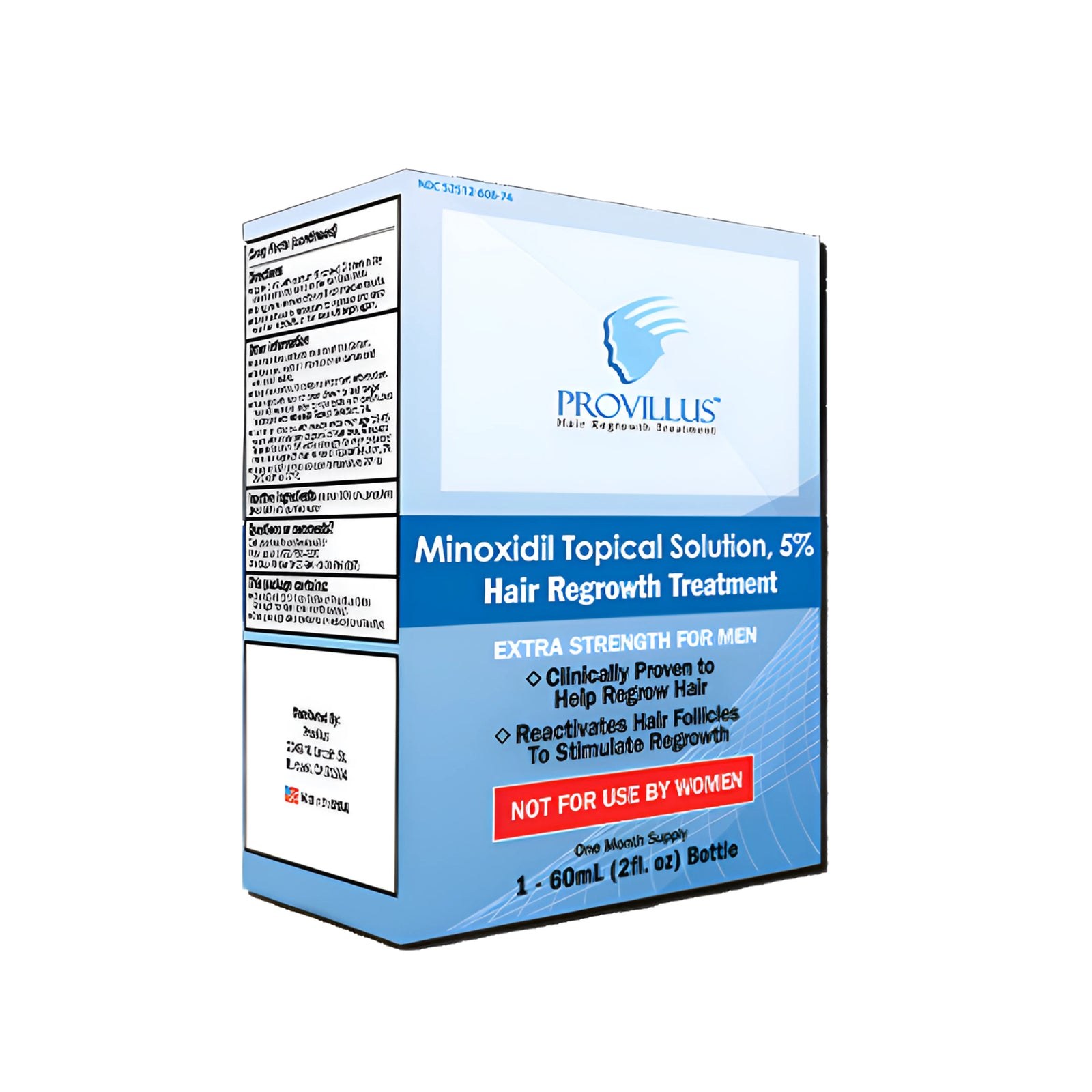
Provillus Minoxidil 5% for Men - Extra Strength Topical Hair Regrowth Treatment, 60 mL
Buy Now — opens in a new tab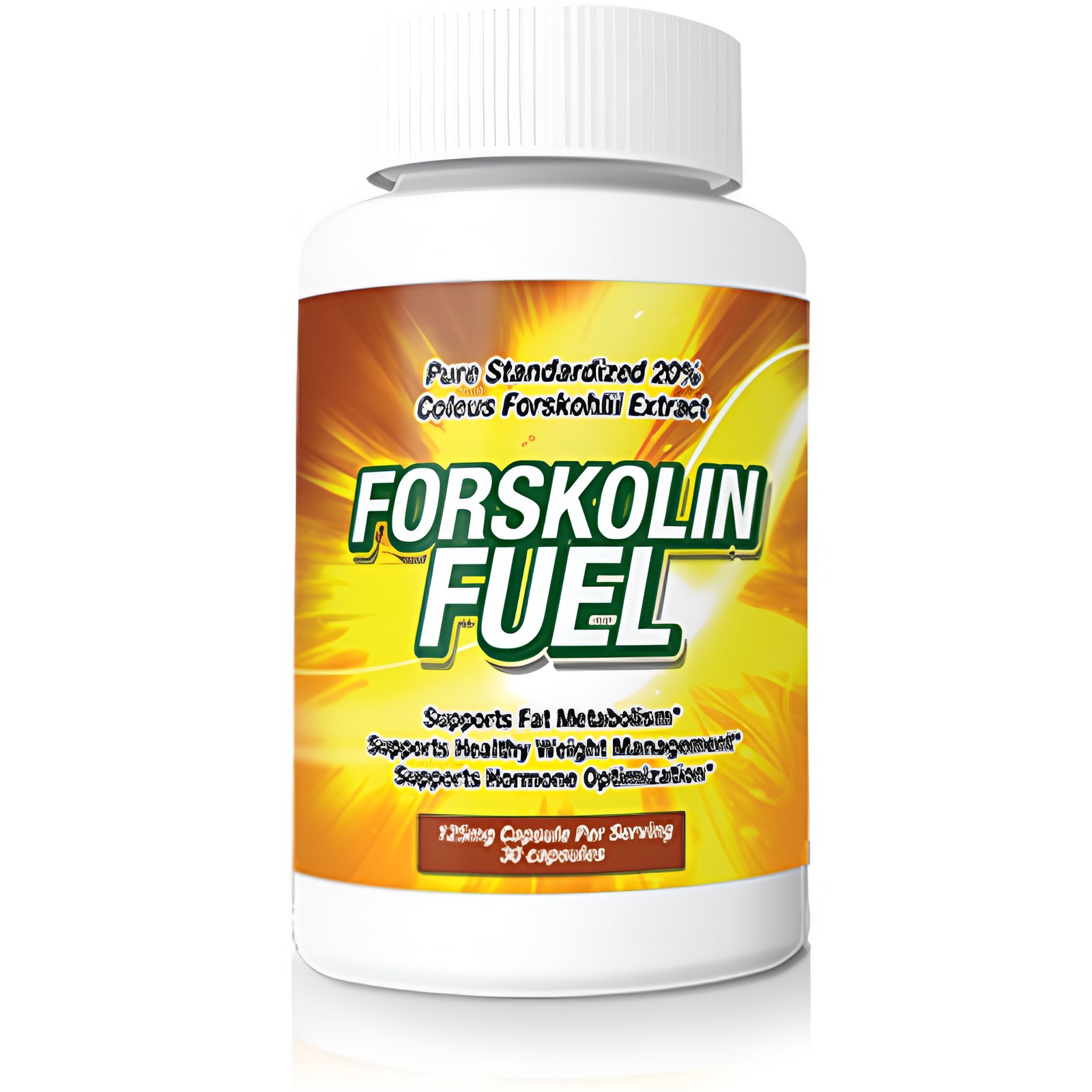
Forskolin Fuel Coleus Forskohlii Extract Dietary Supplement - 1 Bottle
Buy Now — opens in a new tab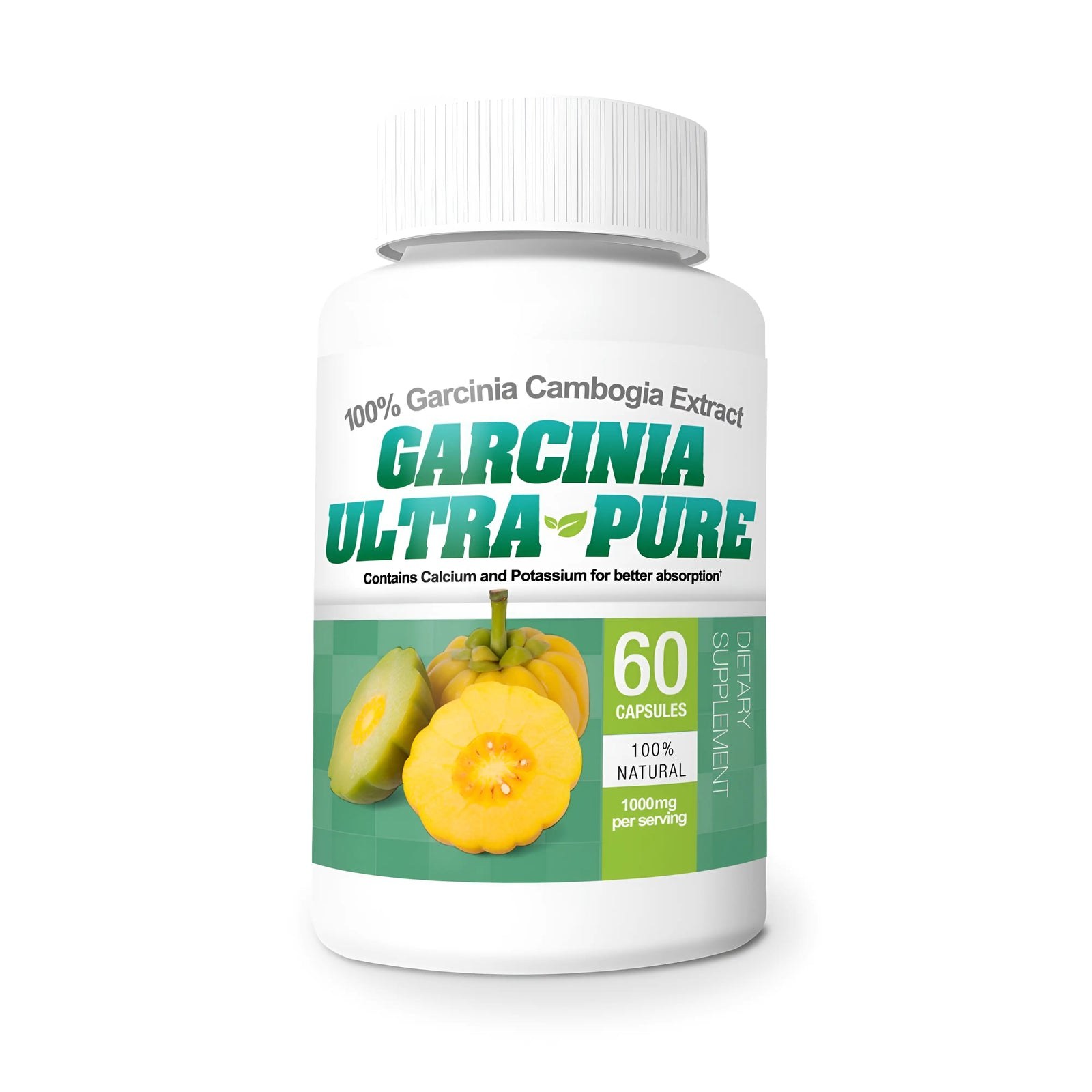
Garcinia Ultra Pure Garcinia Cambogia Extract Supplement - 60 Capsules
Buy Now — opens in a new tabBefore vs After Recovery Routine for Strength Training for Weight Loss
An illustrative before-and-after guide for Strength Training for Weight Loss, comparing pushing through fatigue with planned recovery choices through practical, flexible habits.
A useful before-and-after comparison can show how everyday decisions become easier without pretending that a dramatic personal transformation occurred. This educational concept combines Strength Training for Weight Loss with recovery routine and is explicitly illustrative. It does not depict a real customer, client, patient, testimonial, or documented result.
The “before” side represents pushing through fatigue: Every session is expected to look the same, even when soreness, sleep, illness, or stress suggests a different approach. The “after” side represents planned recovery choices: Effort is adjusted using comfort, technique, recovery, and professional guidance rather than guilt or all-or-nothing rules. For Strength Training for Weight Loss, the comparison centers on preparation and safe consistency rather than punishing exercise. Fitness level, pain, disability, pregnancy, illness, environment, and professional guidance can all change the appropriate activity, pace, and recovery.
When comparing the examples in the “Before vs After Recovery Routine” guide, note which information would tell you what to repeat. Apply one small adjustment while preparing rice bowl with salmon and broccoli. Check whether it makes a decision easier or removes a preparation step.
Try these practical steps:
-
Check energy and symptoms: Treat this as a flexible cue. Begin with the easiest version, use tools already available, and adjust or stop when the step is unsuitable.
-
Use a comfortable warm-up: Treat this as a flexible cue. Begin with the easiest version, use tools already available, and adjust or stop when the step is unsuitable.
-
Reduce load when needed: Treat this as a flexible cue. Begin with the easiest version, use tools already available, and adjust or stop when the step is unsuitable.
-
Allow rest without compensation: Treat this as a flexible cue. Begin with the easiest version, use tools already available, and adjust or stop when the step is unsuitable.
Try the “Before vs After Recovery Routine” guide where the floor and any supports stay steady. If your time is shorter, start the first set with lighter resistance and finish while the repetitions are controlled. Compare how the shorter version feels with a normal session before you decide when to use it again.
After trying the “Before vs After Recovery Routine” guide, record which action was easiest to repeat. If you tried “Check energy and symptoms: Treat this as a flexible cue” while planning rice bowl with salmon and broccoli, note what happened first and whether you would keep the same setup or change its timing.
For an easier version of the “Before vs After Recovery Routine” guide, start the first set with lighter resistance and finish while the repetitions are controlled. Stop for pain, dizziness, chest discomfort or unusual shortness of breath and seek appropriate care. Use individual guidance if you have an injury, major medical concern or recovery restriction.
Progress can be quiet: fewer decisions, safer preparation, a steadier cue, or a more compassionate restart all count.
Illustrative recovery routine comparison for Strength Training for Weight Loss; conceptual behavior change, not a documented personal result.
5 views · Published Oct 9, 2026
Creator: How To Lose Weight Gallery
Copyright: How To Lose Weight Gallery
Image license
MaxNO Extreme Arginine Alpha-Ketoglutarate Supplement - 30 Capsules
Buy Now — opens in a new tab
Provillus Minoxidil 5% for Men - Extra Strength Topical Hair Regrowth Treatment, 60 mL
Buy Now — opens in a new tab
Forskolin Fuel Coleus Forskohlii Extract Dietary Supplement - 1 Bottle
Buy Now — opens in a new tab


