

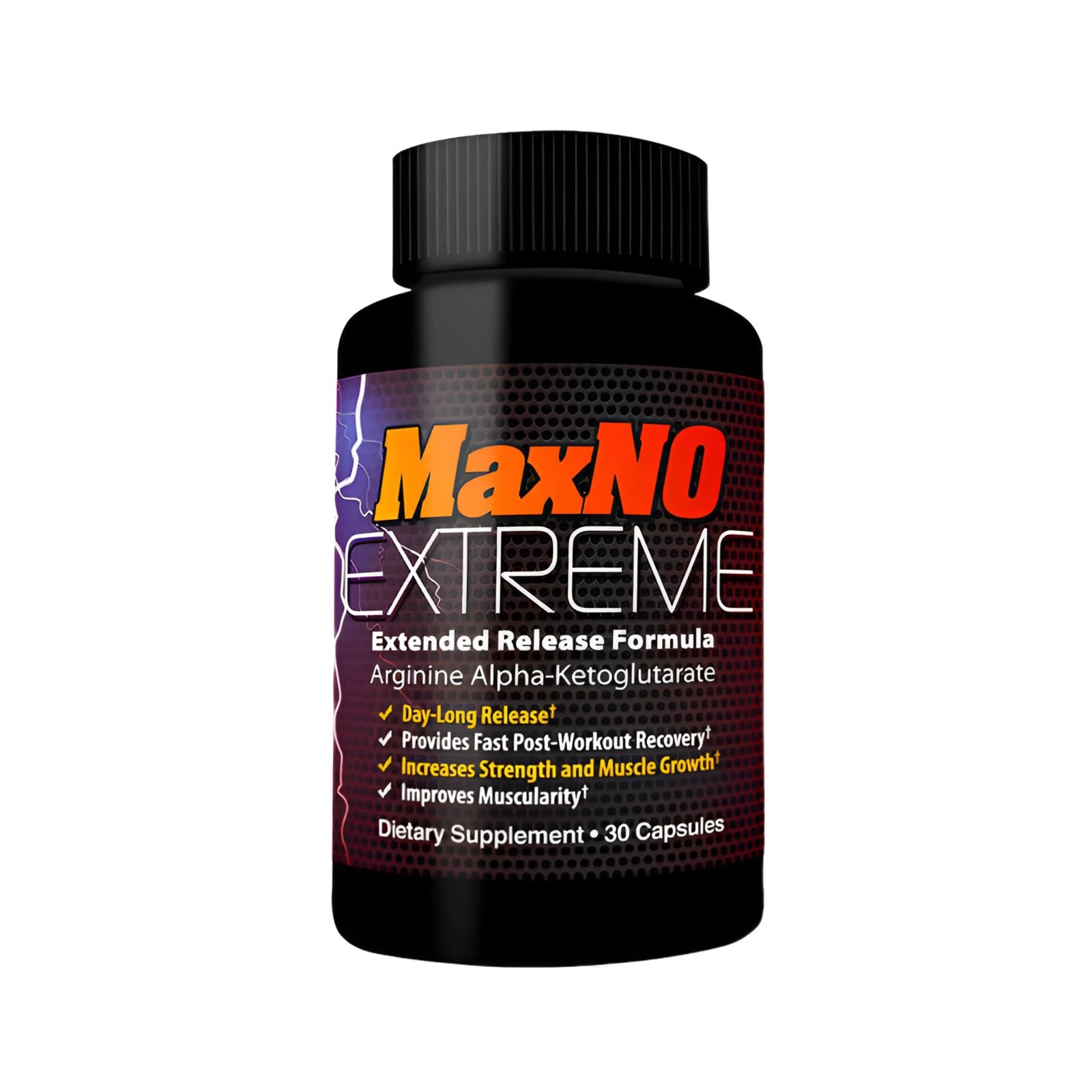
MaxNO Extreme Arginine Alpha-Ketoglutarate Supplement - 30 Capsules
Buy Now — opens in a new tab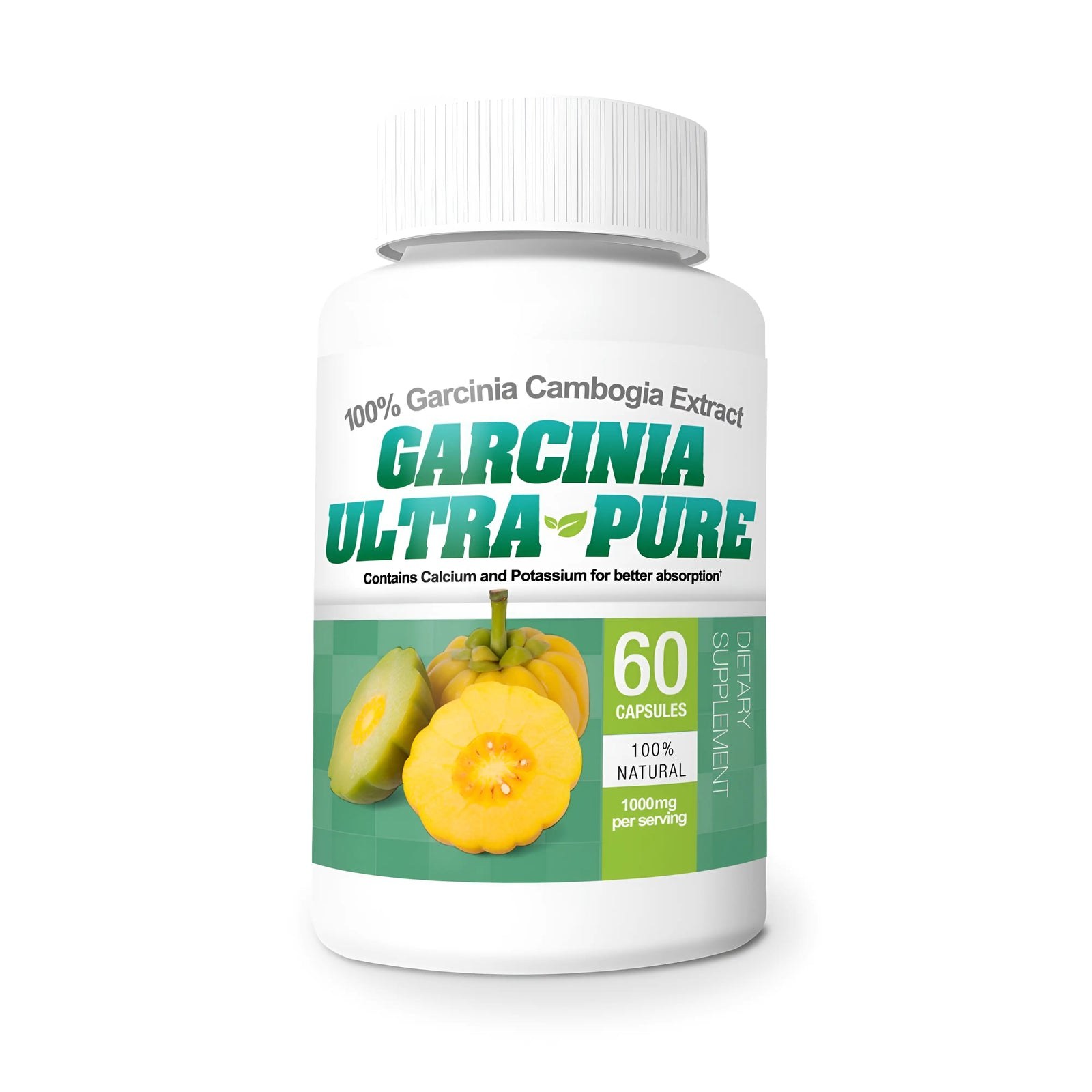
Garcinia Ultra Pure Garcinia Cambogia Extract Supplement - 60 Capsules
Buy Now — opens in a new tab
African Mango Plus Herbal Supplement - 60 Capsules
Buy Now — opens in a new tab
Forskolin Fuel Coleus Forskohlii Extract Dietary Supplement - 1 Bottle
Buy Now — opens in a new tabBrisk Walk Intervals vs Low-Impact Marching Intervals
Compare brisk walking and low-impact marching intervals by matched time, work-rest structure, effort, safety, access, and recovery.
Brisk walking intervals and low-impact marching intervals can both support an active weight-management routine, but equipment, terrain, technique, intensity, and recovery determine how each session feels. This guide compares 20-minute sessions using the same work and recovery schedule at a personally appropriate effort. It does not claim that one option burns a guaranteed number of calories or produces faster weight loss. Energy use varies with body size, pace, fitness, environment, medication, and many other factors.
For Brisk walking intervals, use a safe outdoor or indoor route, increase pace without losing control, and slow down during recovery. Begin with an easy warm-up, keep the movement controlled, and choose a range that allows steady breathing and good form. Record the actual work time, rest, pace or resistance, and how the session feels rather than relying only on a device estimate.
For low-impact marching intervals, use a clear indoor space, lift the feet only as high as feels stable, and reduce arm movement when needed. Use stable equipment and enough space. Stop the set or interval when form changes, pain appears, or balance becomes uncertain. A shorter, repeatable session can be more useful than an aggressive effort that disrupts recovery.
For a fair comparison, match work interval length, recovery interval length, total time, perceived effort, and warm-up, warm-up, total work time, rest periods, perceived effort, and cool-down. Compare joint comfort, breathing, technique, setup time, weather or space needs, equipment cost, schedule fit, and next-day recovery. Heart rate and calorie displays are estimates and should not be treated as exact measurements.
When following the “Brisk Walk Intervals vs Low-Impact Marching Intervals” guide, start on a familiar route with a clear turnaround point and give yourself time to stop safely. Stop for chest pain, faintness, sudden weakness, severe pain or unusual breathing difficulty. Seek urgent care for severe or persistent symptoms. Ask a clinician before progressing with a medical or injury-related exercise restriction.
Use the “Brisk Walk Intervals vs Low-Impact Marching Intervals” guide to practice something you can observe: whether you could talk comfortably at the most demanding part of the route. Routes, resistance and recovery all affect how the activity feels. Evaluate the session by your ability to move comfortably and repeat it, without expecting it to target a specific area or produce a predictable weight change.
Repeat the “Brisk Walk Intervals vs Low-Impact Marching Intervals” guide at the same easy effort until you know how it feels. If you try a change, alter only one part. Note whether you could talk comfortably at the most demanding part of the route. On a harder day, cut the route short while you still have enough energy to get back.
Choose the option that fits current ability, access, enjoyment, and safe technique. Repeat the same comparison for several sessions before drawing conclusions, because one unusually energetic or tired day can distort the result.
#CardioWorkouts #WalkingIntervals #LowImpactCardio #WeightManagementFitness #WellnessTips
Match total time, work and recovery intervals, personal effort, and warm-up before comparing cardio options.
6 views · Published Oct 5, 2026
Creator: How To Lose Weight Gallery
Copyright: How To Lose Weight Gallery
Image license
MaxNO Extreme Arginine Alpha-Ketoglutarate Supplement - 30 Capsules
Buy Now — opens in a new tab
Garcinia Ultra Pure Garcinia Cambogia Extract Supplement - 60 Capsules
Buy Now — opens in a new tab
African Mango Plus Herbal Supplement - 60 Capsules
Buy Now — opens in a new tab


