


African Mango Plus Herbal Supplement - 60 Capsules
Buy Now — opens in a new tab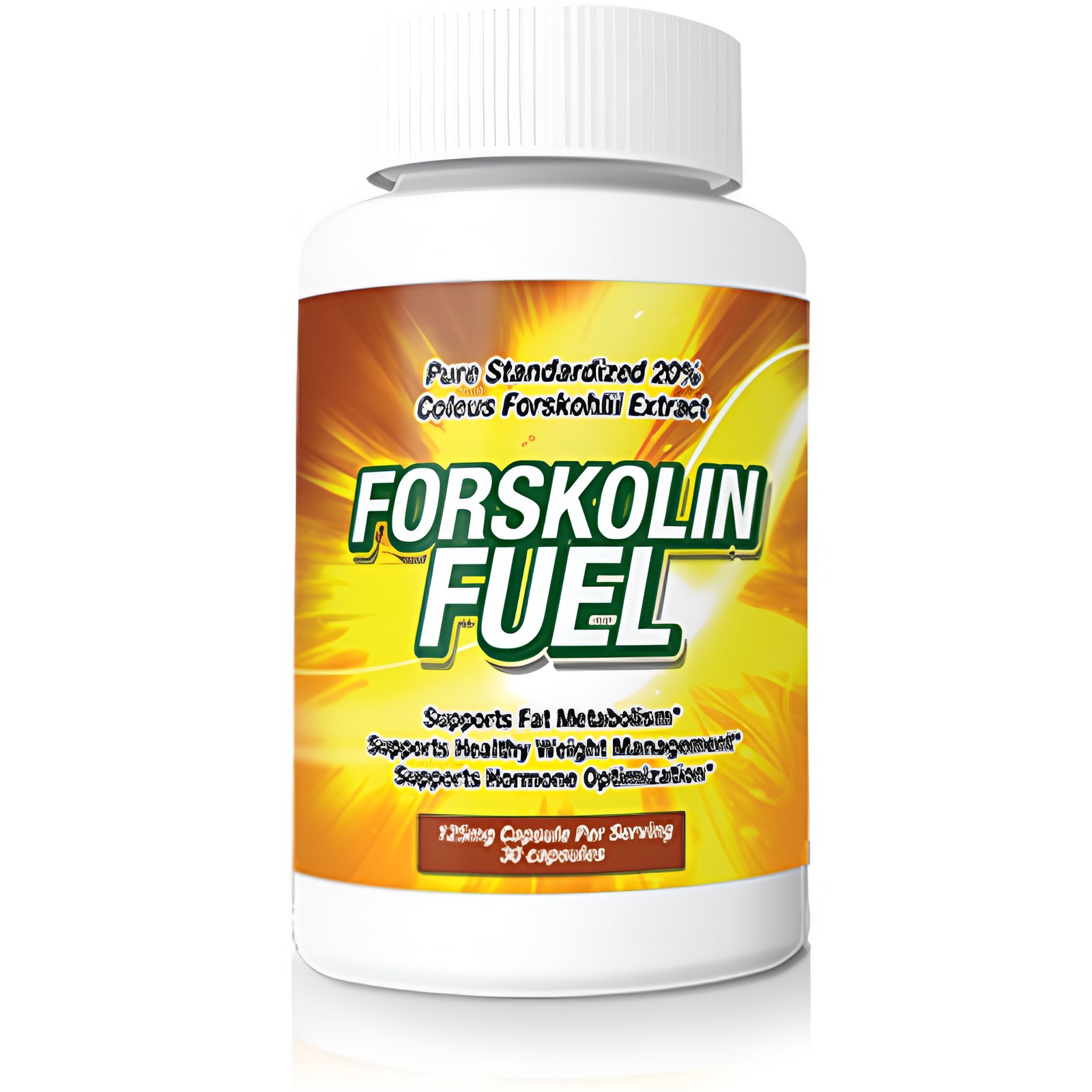
Forskolin Fuel Coleus Forskohlii Extract Dietary Supplement - 1 Bottle
Buy Now — opens in a new tab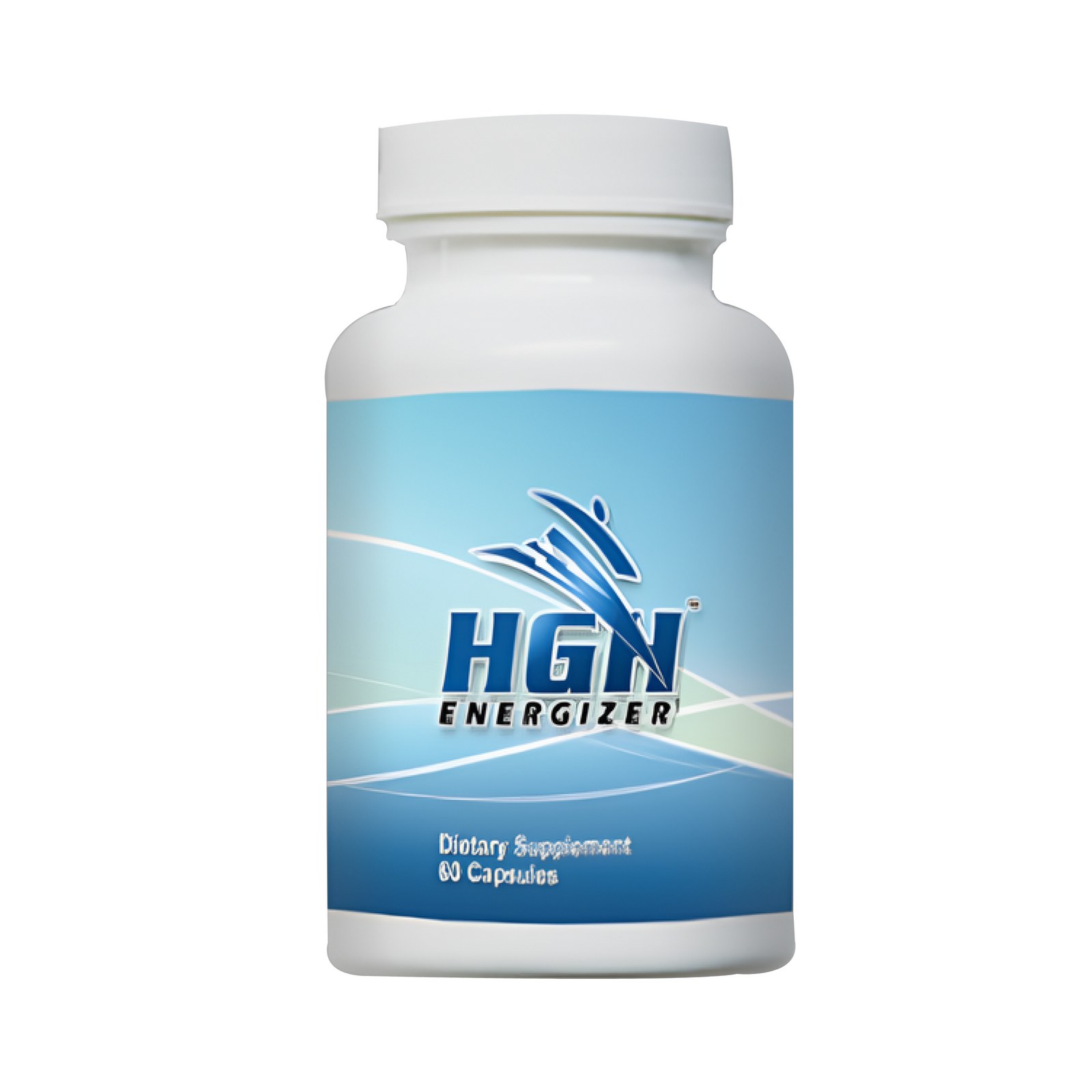
HGH Energizer Dietary Supplement - 60 Capsules
Buy Now — opens in a new tab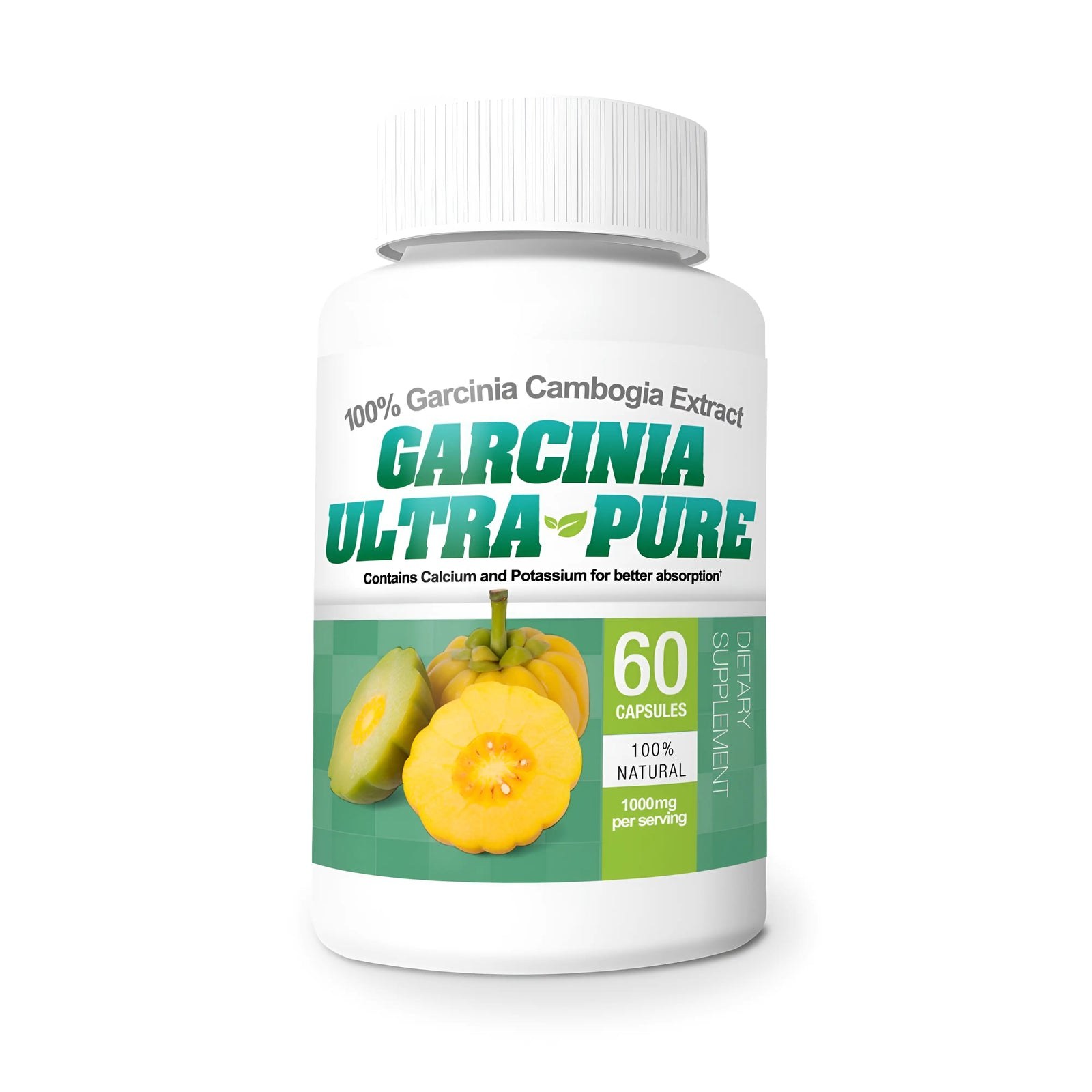
Garcinia Ultra Pure Garcinia Cambogia Extract Supplement - 60 Capsules
Buy Now — opens in a new tabTreat Calorie Numbers as Estimates, Not Exact Measurements
Food labels, tracking apps, restaurant data, and fitness watches provide useful estimates with real limits.
Calorie information can help people understand patterns, compare options, or discuss a plan with a professional. However, the number shown on a package, app, restaurant menu, or fitness watch is an estimate rather than a perfect measurement of energy eaten or used. Recognizing that uncertainty can reduce false precision and support gradual, practical decisions.
Food labels follow regulated methods, yet rounding rules and allowed variation mean the printed value is not laboratory-perfect for every item. Natural foods also vary by size, ripeness, and growing conditions. Compare products using the same serving size, and check how many servings you actually use. The label remains useful even though the final number has a margin of error.
Tracking apps depend on database quality and user entries. Two listings for the same food may use different brands, preparation methods, or portions. Home-cooked mixed dishes are especially difficult to estimate exactly. If tracking supports your goals without causing distress, choose verified entries when available, measure only to the level that is practical, and use the same method consistently. Consistency often matters more than chasing a perfect entry.
Restaurant calorie listings are based on a standard recipe or analysis, while actual portions and preparation can vary. A cook may use a little more oil, a serving spoon may be fuller, or a substitution may change the dish. Menu numbers can guide a comparison, but they should not create the expectation that one meal can be calculated with exact precision.
Fitness watches and cardio machines estimate energy expenditure from inputs such as body size, age, heart rate, movement, and proprietary formulas. Accuracy varies by activity and device. Avoid treating the displayed burn number as permission to eat a precise amount or as a requirement to exercise longer. Wearables can be more useful for tracking time, distance, steps, or trends than for calculating exact energy balance.
Body weight also fluctuates because of fluid, sodium, carbohydrate storage, digestion, hormones, and other factors. One day's food estimate and the next morning's scale reading cannot reveal a precise calorie deficit. Look at several weeks of appropriate data alongside energy, hunger, training, sleep, and well-being. Adjust gradually rather than reacting to one unusual day.
Calorie tracking is optional. Some people do better with regular meals, a flexible plate method, portion awareness, or guidance from a registered dietitian. Stop or seek help if tracking increases anxiety, guilt, restriction, binge eating, or obsessive behavior. Children, adolescents, pregnant people, and anyone with an eating-disorder history need individualized professional guidance.
No app, device, food, or supplement guarantees weight loss. Energy needs change with body size, activity, health, medicines, and life stage. If you choose to use calorie estimates, use them as one source of information. Follow broad trends, keep changes modest, and discuss unexplained weight change or persistent symptoms with a qualified clinician.
#CalorieDeficit #WeightLossTips #HealthyWeightLoss #FoodLabels #FitnessTracking
Four common calorie sources can guide decisions without providing perfect measurements.
0 views · Published Sep 14, 2026
Creator: How To Lose Weight Gallery
Copyright: How To Lose Weight Gallery
Image license
African Mango Plus Herbal Supplement - 60 Capsules
Buy Now — opens in a new tab
Forskolin Fuel Coleus Forskohlii Extract Dietary Supplement - 1 Bottle
Buy Now — opens in a new tab
HGH Energizer Dietary Supplement - 60 Capsules
Buy Now — opens in a new tab


