

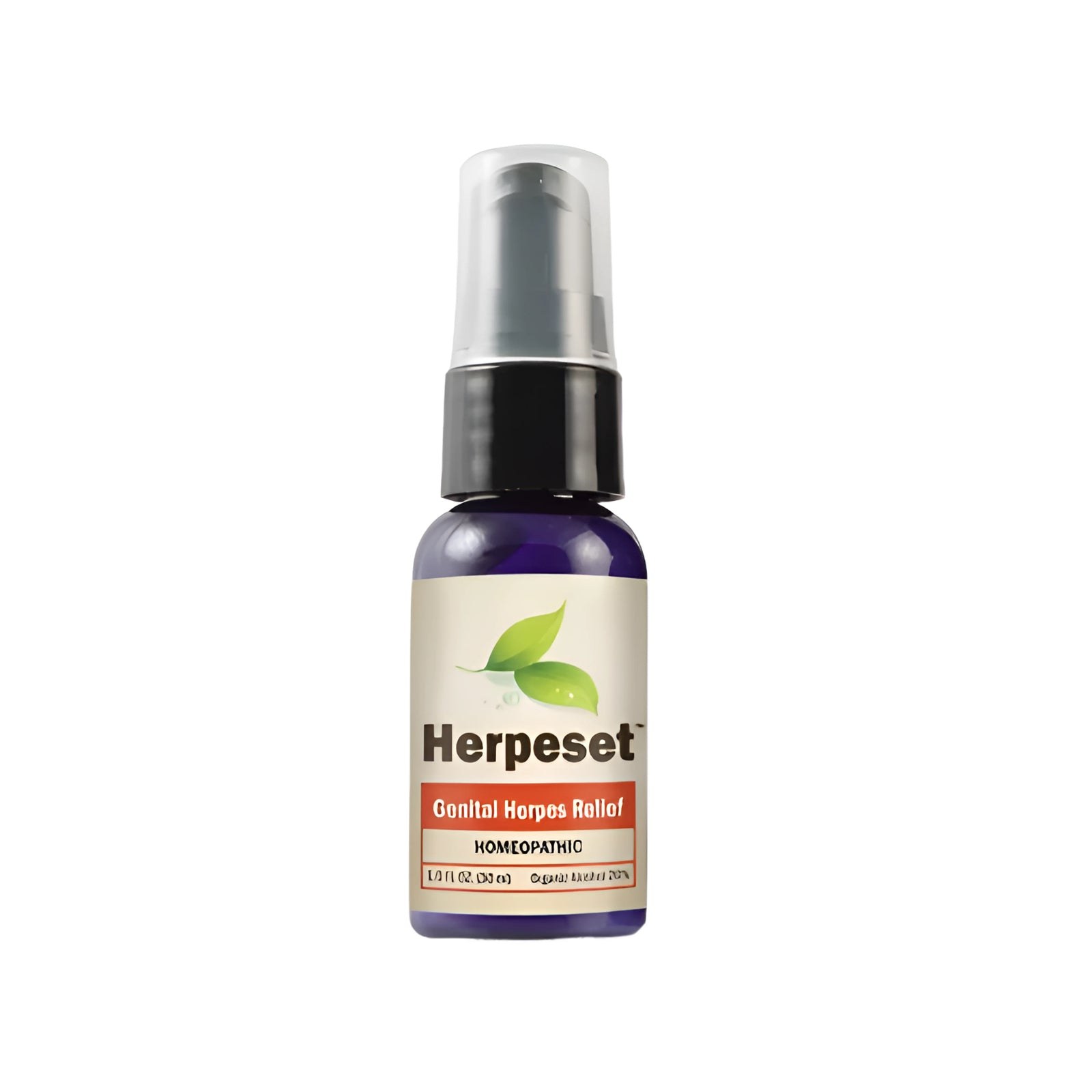
Herpeset Homeopathic Herpes & Cold Sore Care Spray - 30 mL Bottle
Buy Now — opens in a new tab
Bowtrol Colon Cleanser Digestive Health Supplement - 1 Bottle
Buy Now — opens in a new tab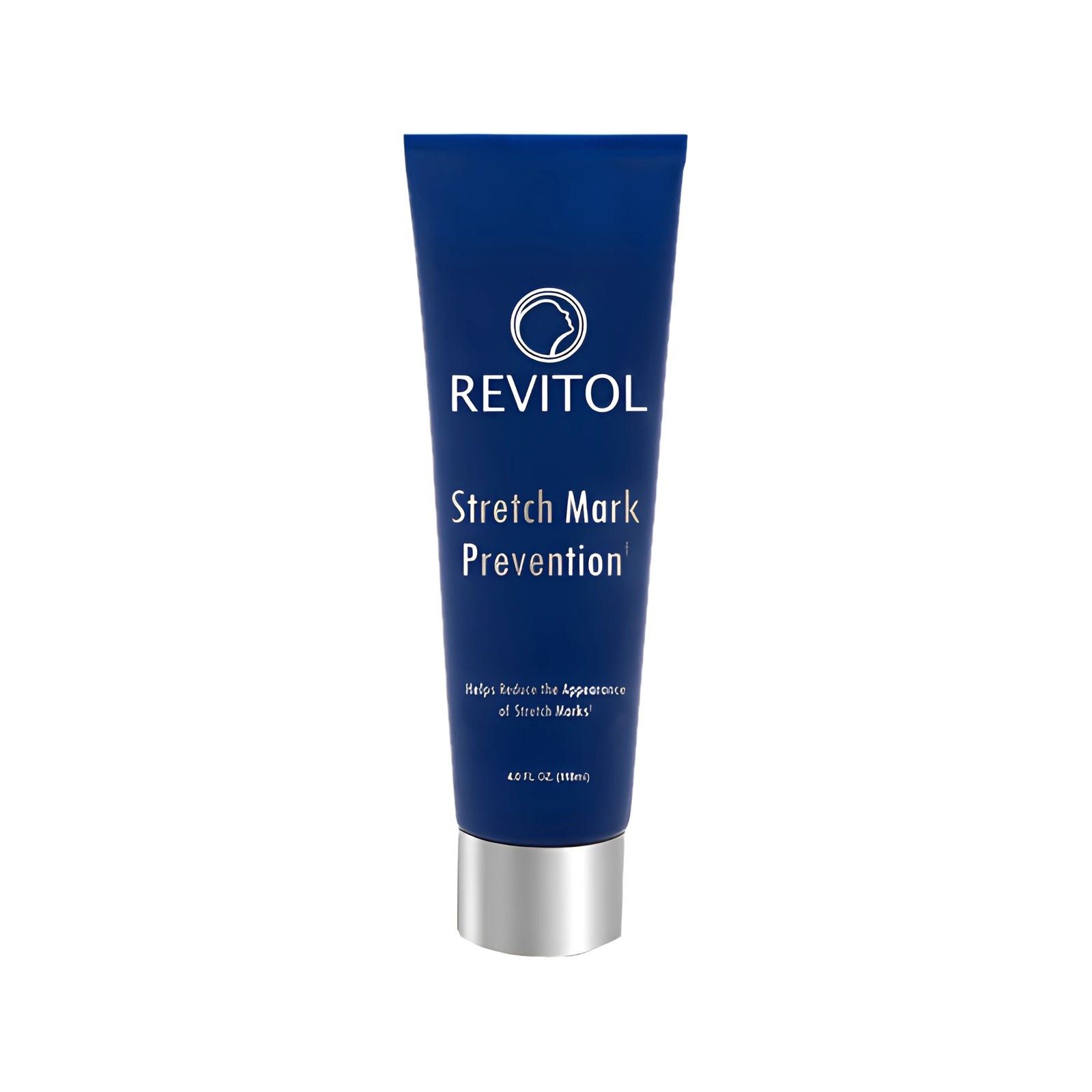
Revitol Stretch Mark Care Body Cream - 118 mL Tube
Buy Now — opens in a new tab
FloTrol Bladder & Urinary Health Support Dietary Supplement - 1 Bottle
Buy Now — opens in a new tabTraining and Fatigue Journal
A cautious training and fatigue journal guide for Oral Herpes Self-Care Education, focused on personal patterns, practical safety, and non-stigmatizing cold-sore education.
Published by How To Lose Weight Gallery · Request a correction
PRACTICAL SAFETY NOTES for Oral Herpes Self-Care Education
Cold sores are associated with herpes simplex virus infection. A possible trigger may be linked with recurrence in some people, but it did not create the original infection, does not affect everyone, and does not guarantee an outbreak. This training and fatigue journal article is general educational health information. It does not diagnose a lesion, prescribe medication, recommend a supplement dose, or replace care from a qualified professional.
Patterns worth noting
Oral Herpes Self-Care Education shapes this article through activity, outdoor exposure, fatigue, shared-item hygiene, and recovery context. Exercise does not cure HSV or guarantee prevention. The useful goal is to notice personal patterns, protect comfort, and use sensible contact precautions without stigma. The practical awareness action is to record unusual fatigue and recovery changes without treating them as proof of an outbreak cause. That action can help organize observations or reduce avoidable contact risk, but it cannot prove causation or guarantee that another cold sore will not occur.
A cautious way to use the idea
Start by noting the date and the first symptoms you noticed. Add only a few relevant context items, such as recent sunlight, illness or fever, unusual stress, changes in sleep or fatigue, lip irritation, a dental or cosmetic procedure near the mouth,. If food seems relevant, record it without assuming the food caused the recurrence and without creating a broad list of forbidden foods. Review patterns across time rather than drawing a conclusion from one entry.
Keep the routine neutral and nonjudgmental. A recurrence is not a sign of poor hygiene, irresponsibility, or moral failure, and a suspected trigger is not the same thing as the original cause of infection. Keep personal-care items personal during active symptoms. Wash hands after touching the area, and avoid touching the eyes or another body site before washing.
Safety and contact awareness
Take your own bottle and towel to training while a cold sore is active. Skip kissing, oral contact, and sharing lip or mouth items until it has healed. After touching the sore, wash your hands before handling shared items or touching your own eyes. A journal cannot establish when transmission is impossible.
Use the training journal to record when tingling or a sore appeared relative to exercise, illness and sleep. Do not put household bleach, strong oils or scrubs on the sore, and avoid popping it. Changes in foods or supplements do not cure HSV. Ask a clinician about treatment when symptoms recur.
When to get help
Professional advice is especially important for severe or unusually extensive symptoms, frequent troublesome recurrences, difficulty eating or drinking, uncertainty about the diagnosis, immunocompromised people, or symptoms that are not improving as expected. Pregnancy, breastfeeding, complex medical conditions, and immune compromise also call for individualized professional guidance rather than one-size-fits-all self-care.
The takeaway for Oral Herpes Self-Care Education is simple: practical safety notes can help you record unusual fatigue and recovery changes without treating them as proof of an outbreak cause, while preserving the distinction between a possible individual trigger and the viral cause of cold sores. Keep the language neutral, the actions gentle, and expectations realistic.
Further reading on this topic
Training and Fatigue Journal for Cardio Workouts for Weight Loss; general trigger-awareness education without diagnosis, cure claims, or guaranteed prevention.
3 views · Published Oct 11, 2026
Creator: How To Lose Weight Gallery
Copyright: How To Lose Weight Gallery
Image license
Herpeset Homeopathic Herpes & Cold Sore Care Spray - 30 mL Bottle
Buy Now — opens in a new tab
Bowtrol Colon Cleanser Digestive Health Supplement - 1 Bottle
Buy Now — opens in a new tab
Revitol Stretch Mark Care Body Cream - 118 mL Tube
Buy Now — opens in a new tab


