

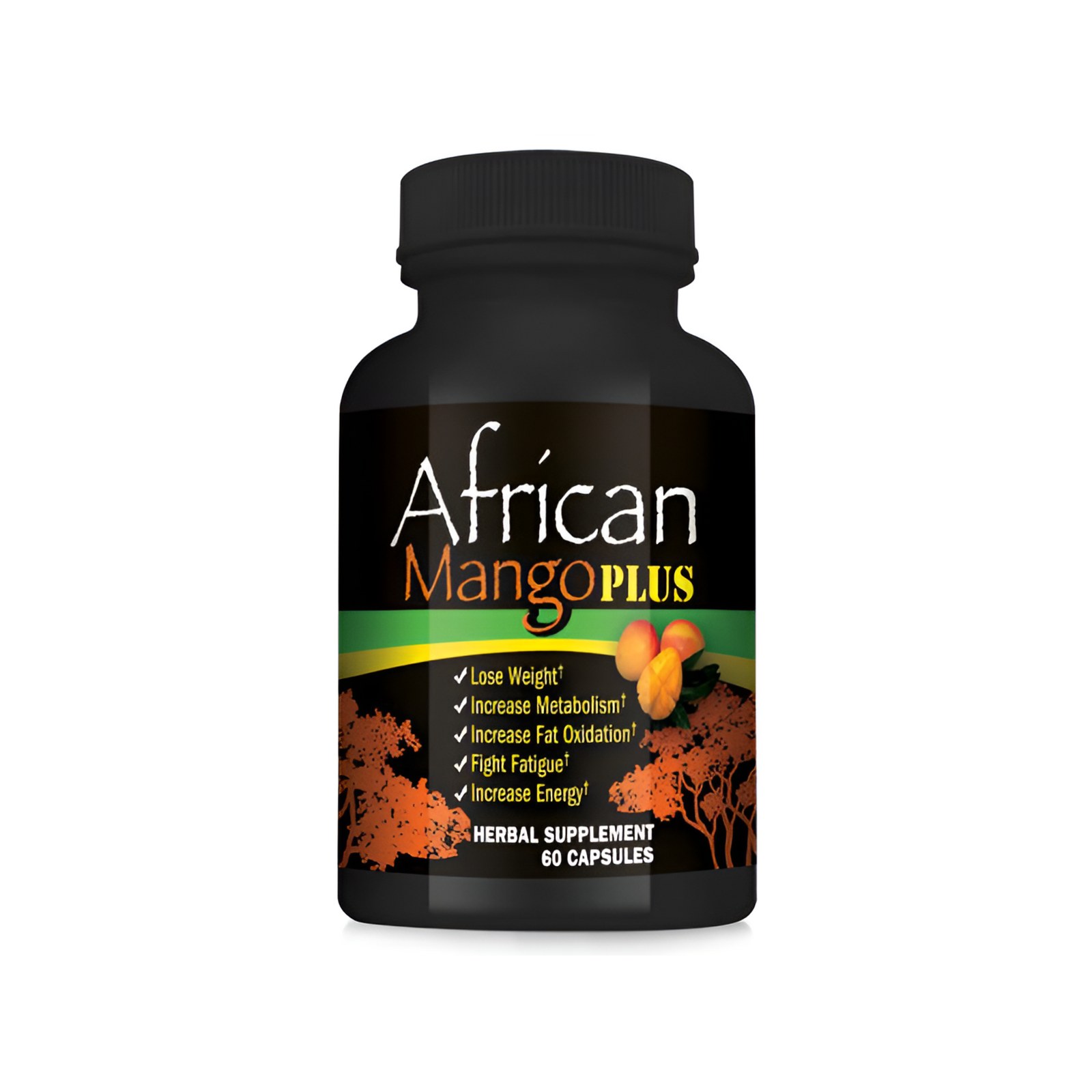
African Mango Plus Herbal Supplement - 60 Capsules
Buy Now — opens in a new tab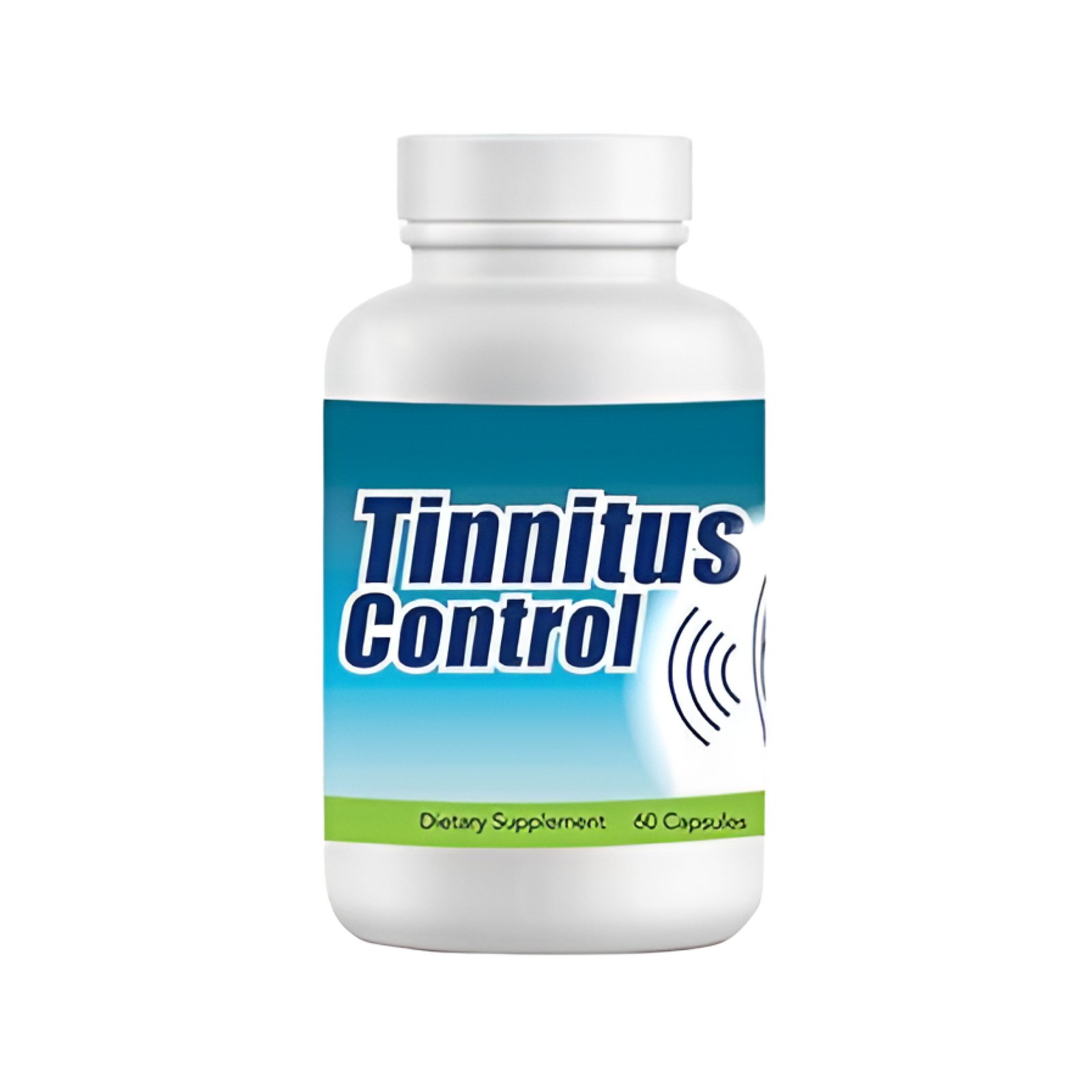
Tinnitus Control Dietary Supplement - 60 Capsules
Buy Now — opens in a new tab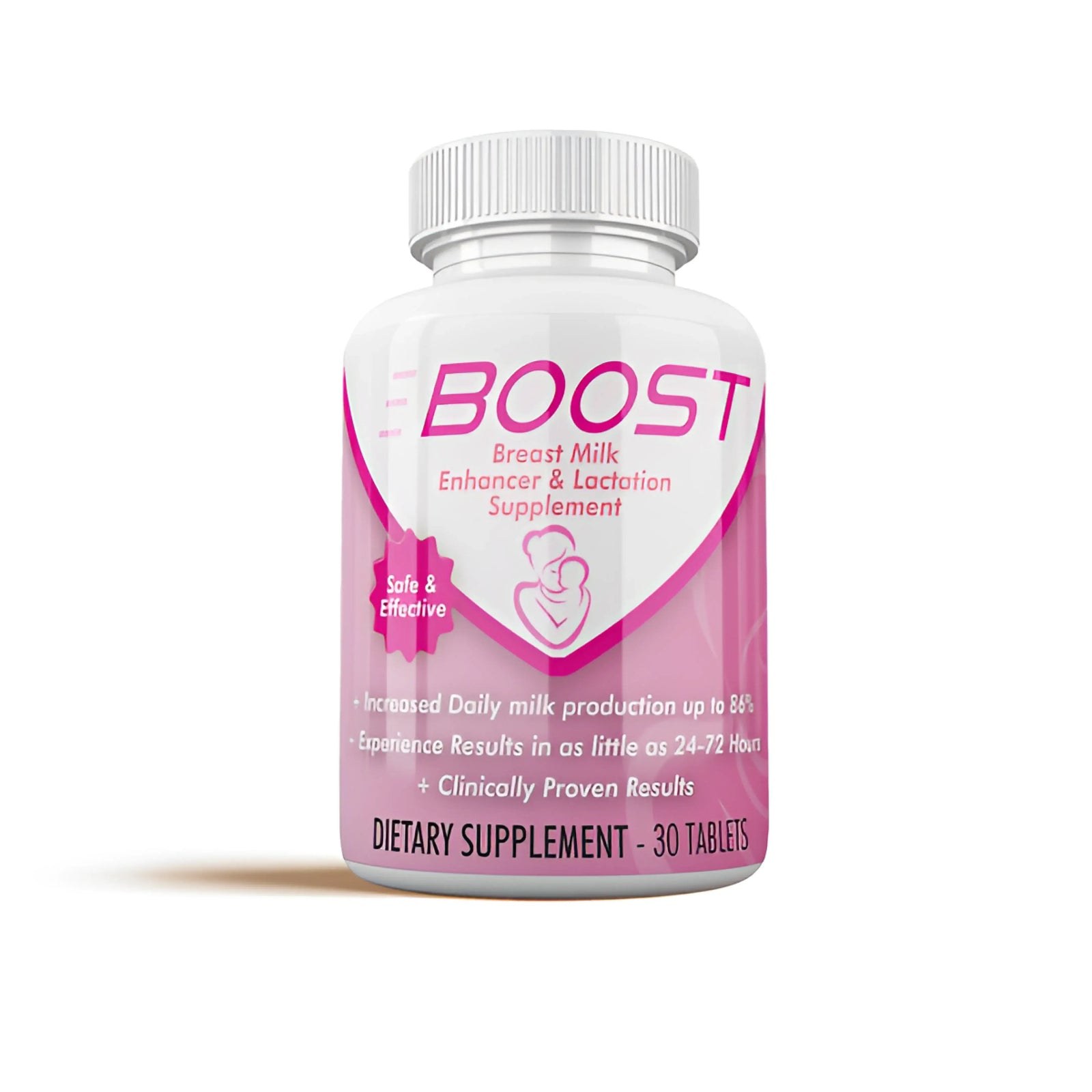
Boost Breast Milk Enhancer & Lactation Dietary Supplement - 1 Bottle
Buy Now — opens in a new tab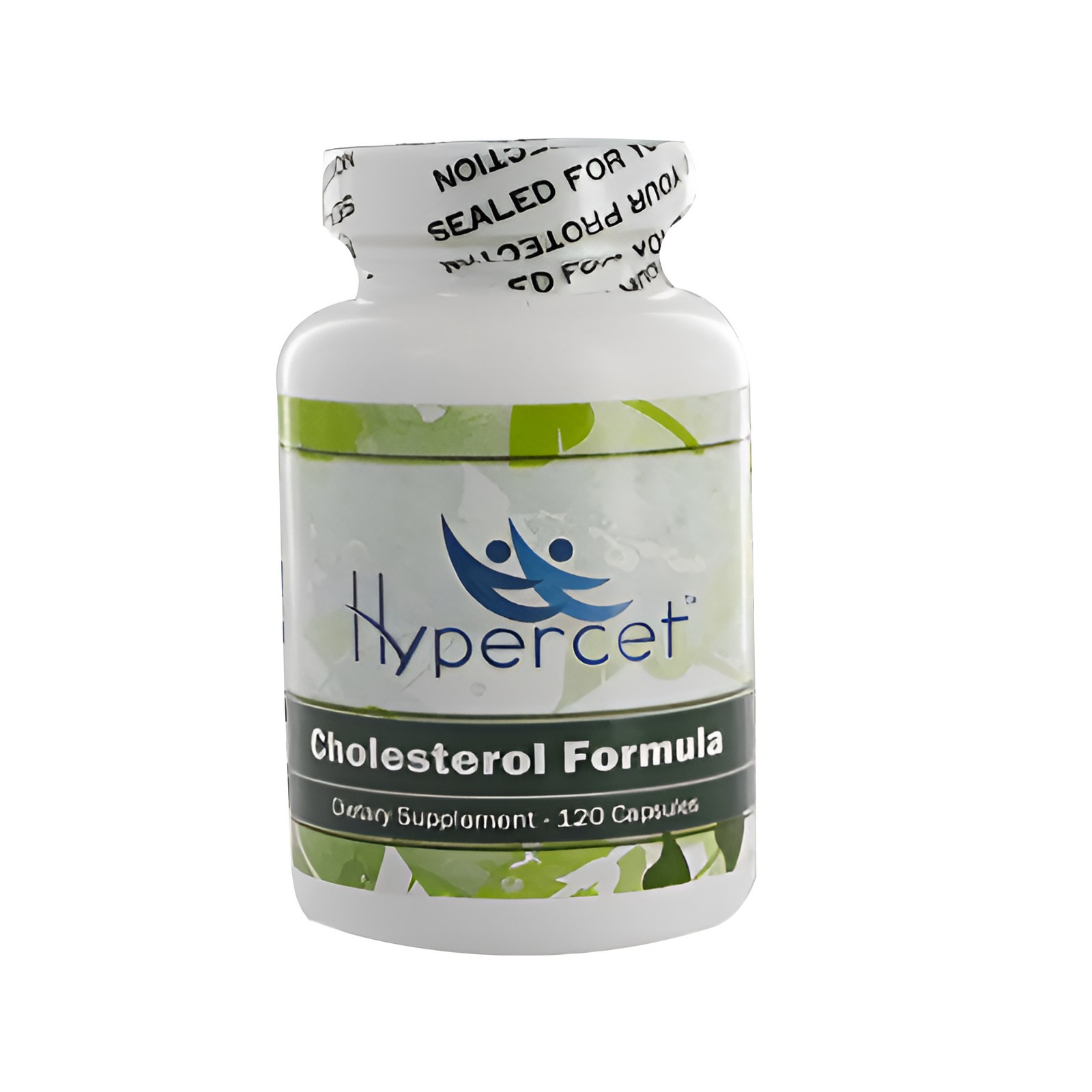
Hypercet Cholesterol Formula Dietary Supplement - 120 Capsules
Buy Now — opens in a new tabCount the Complete Breakfast, Not Just the Base
Include the base food, milk or yogurt, fruit, nuts or seeds, spread or sweetener, and drinks in a complete breakfast estimate.
A breakfast calorie estimate is usually most useful when it includes the complete meal, not only the base food. Oats, cereal, toast, eggs, or a breakfast bowl may be the starting point, but milk, yogurt, fruit, nuts, seeds, spreads, sweeteners, cooking fats, and drinks can all be part of what was actually eaten.
Always begin with the base. Read the Nutrition Facts serving size for packaged cereal, bread, oats, or another product, and compare it with the amount used. For cooked dishes, note whether the quantity was measured dry, raw, cooked, or prepared. These states are not interchangeable.
Add every component
Milk and yogurt vary by type, brand, and serving size. Fruit portions vary naturally. Nuts, seeds, nut or seed butter, cheese, avocado, and oils are calorie-dense additions that can also provide nutrients and satisfaction. Measure them occasionally when a clearer estimate is useful, without treating them as foods that must be avoided.
Spreads, honey, syrup, jam, sugar, and other sweeteners should be included in the amount actually used. Coffee, tea, juice, smoothies, and other drinks may contain milk, cream, sugar, or additional ingredients. Plain water and unsweetened drinks have a different context from beverages made with several components.
Record the complete breakfast in one place so additions are neither forgotten nor counted twice. Repeat the same method when comparing different mornings. Avoid double counting. If a packaged breakfast already includes a topping or filling, do not add it again. If the label provides information for the product prepared with milk, check whether your calculation is using the dry or prepared value. Use the version that matches your meal.
Calories are only one part of breakfast quality. Protein, fiber, vitamins, minerals, hydration, allergens, sodium, added sugars, enjoyment, and cultural preferences also matter. A larger breakfast may be appropriate for a long morning, training day, or individual appetite, while a smaller one may suit someone else.
Use approximate wording for homemade recipes and restaurant meals. The goal is practical context, not laboratory precision or a competition for the lowest number. If calorie tracking causes anxiety, severe restriction, bingeing, or compulsive exercise, pause and seek qualified support.
Supplements may interact with medicines.
Source context: U.S. Food and Drug Administration guidance on serving size and Nutrition Facts labels.
#HealthyBreakfast #BreakfastCalories #CalorieAwareness #NutritionFacts #HealthyEating
A complete breakfast estimate that includes the base, additions, toppings, sweeteners, and drinks.
5 views · Published Sep 25, 2026
Creator: How To Lose Weight Gallery
Copyright: How To Lose Weight Gallery
Image license
African Mango Plus Herbal Supplement - 60 Capsules
Buy Now — opens in a new tab
Tinnitus Control Dietary Supplement - 60 Capsules
Buy Now — opens in a new tab
Boost Breast Milk Enhancer & Lactation Dietary Supplement - 1 Bottle
Buy Now — opens in a new tab


