

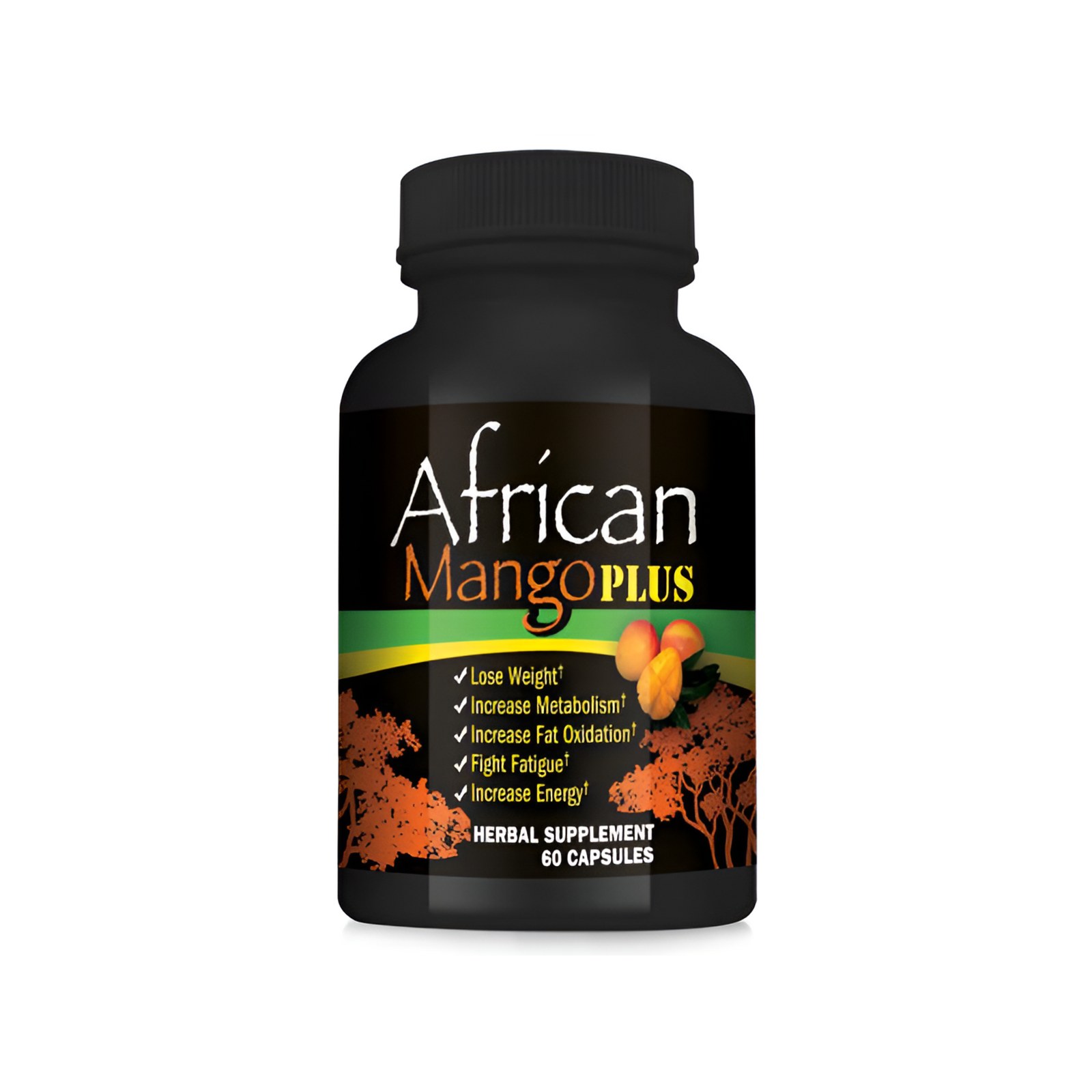
African Mango Plus Herbal Supplement - 60 Capsules
Buy Now — opens in a new tab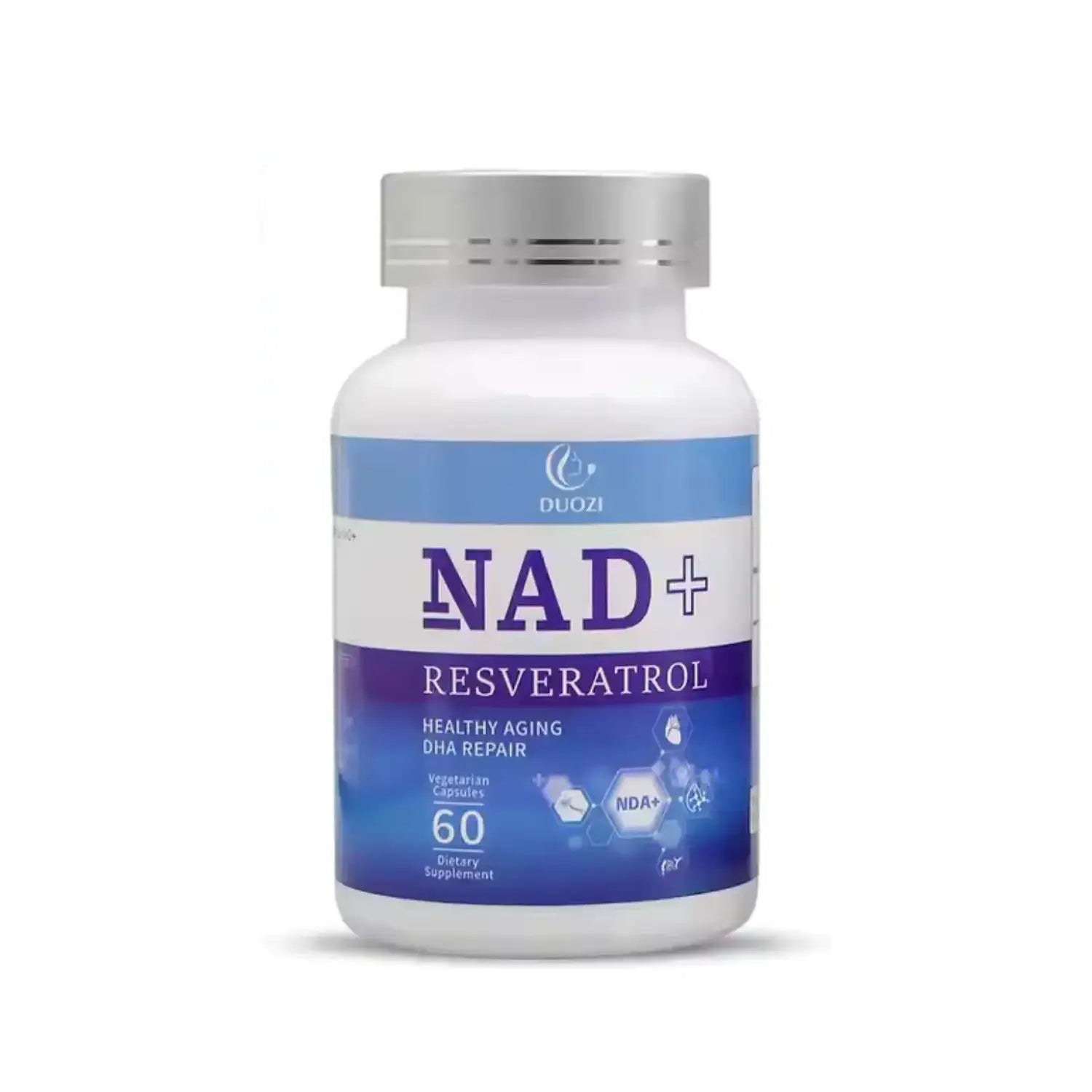
High-potency NAD+ supplement with 400mg per serving
Buy Now — opens in a new tab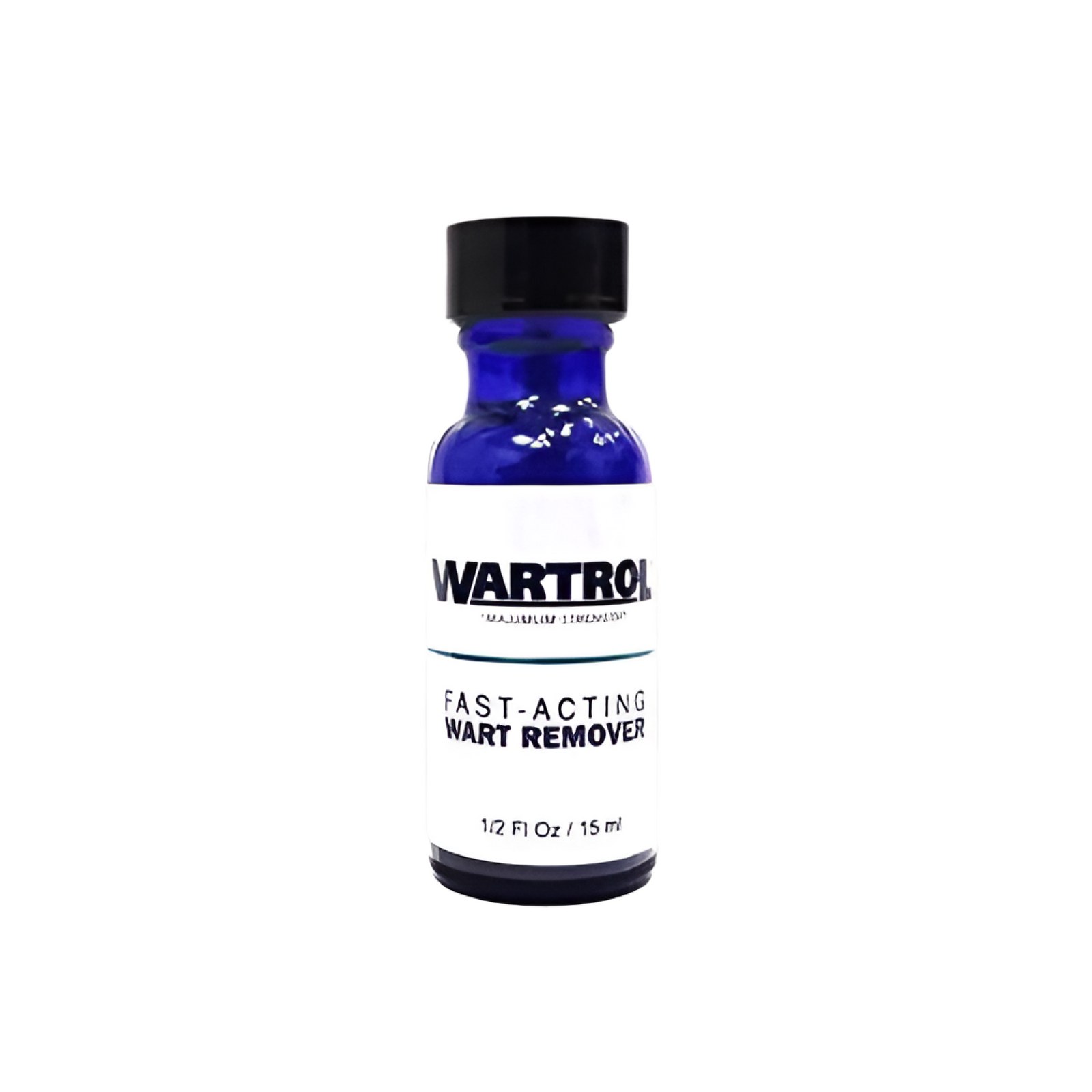
Wartrol Wart Remover Topical Liquid with Applicator Brush - 15 mL Bottle
Buy Now — opens in a new tab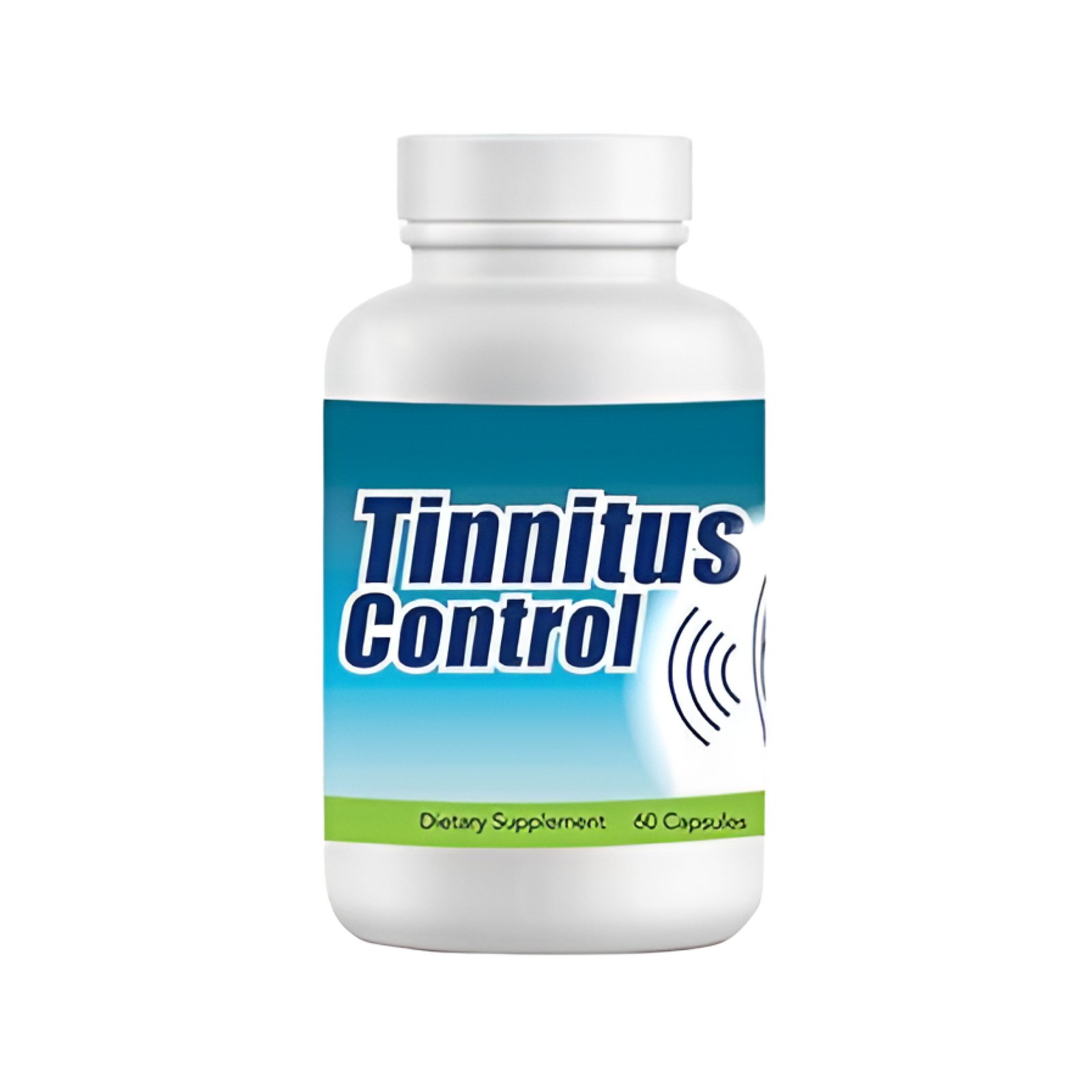
Tinnitus Control Dietary Supplement - 60 Capsules
Buy Now — opens in a new tabCount the Whole Protein Smoothie
Count the liquid, protein food, produce, spreads, seeds, extras, toppings, and the amount actually poured.
A protein smoothie is easiest to estimate when every ingredient is visible in the count. Begin with the liquid base, then add the protein food, produce, nuts, seeds or spread, and any extras or toppings. Record the amount actually blended and the amount actually poured.
Check the liquid first. Milk, fortified plant beverages, juice, coconut water, and sweetened drinks can have different serving sizes and formulations. Water changes texture without adding label calories, but every other liquid should be checked on its own package.
Next, identify the protein food. Yogurt, cottage cheese, milk, tofu, or a labeled protein powder may all work, but they are not interchangeable. Use the exact label, measure the scoop or portion, and note whether the container lists more than one serving.
Count fruit and vegetables by the amount that enters the blender. Frozen fruit, fresh fruit, spinach, and other produce can support flavor and texture. Then measure calorie-dense additions such as nut butter, seeds, oats, avocado, sweeteners, chocolate, granola, or coconut. A decorative topping still belongs in the total.
If the blender makes multiple glasses, measure the finished volume or weight before dividing it. Pour equal portions only if equal servings are intended. Refrigerate leftovers promptly and update the estimate when someone receives a larger glass.
For Count the Whole Protein Smoothie, use the serving size on the package of the ingredient you actually used. Scale the numbers to your amount. If you prepare a batch, estimate the batch first and then the part you served. Count any separate toppings too.
Calories are one part of deciding whether Count the Whole Protein Smoothie suits you. Compare the portion you actually eat and the role of the main component with what you need from this meal. Check ingredients if there is an allergy or a prescribed food restriction. Look at taste, cost and convenience when choosing between two practical options.
Supplements may interact with medicines. Seek individualized guidance for pregnancy, breastfeeding, diabetes, medical conditions, allergies, or an eating-disorder history. Stop tracking and seek qualified support if it becomes rigid, distressing, or linked to restriction, bingeing, purging, or punishment.
Review how the choice affected hunger, energy, satisfaction, convenience, and waste. Make one practical adjustment at a time rather than chasing a perfect number.
Source context: U.S. Food and Drug Administration guidance on serving size and Nutrition Facts labels.
#ProteinSmoothies #CalorieAwareness #HealthyEating #PortionAwareness #NutritionFacts
A complete ingredient checklist for counting a protein smoothie without overlooking extras.
5 views · Published Sep 25, 2026
Creator: How To Lose Weight Gallery
Copyright: How To Lose Weight Gallery
Image license
African Mango Plus Herbal Supplement - 60 Capsules
Buy Now — opens in a new tab
High-potency NAD+ supplement with 400mg per serving
Buy Now — opens in a new tab
Wartrol Wart Remover Topical Liquid with Applicator Brush - 15 mL Bottle
Buy Now — opens in a new tab


