


African Mango Plus Herbal Supplement - 60 Capsules
Buy Now — opens in a new tab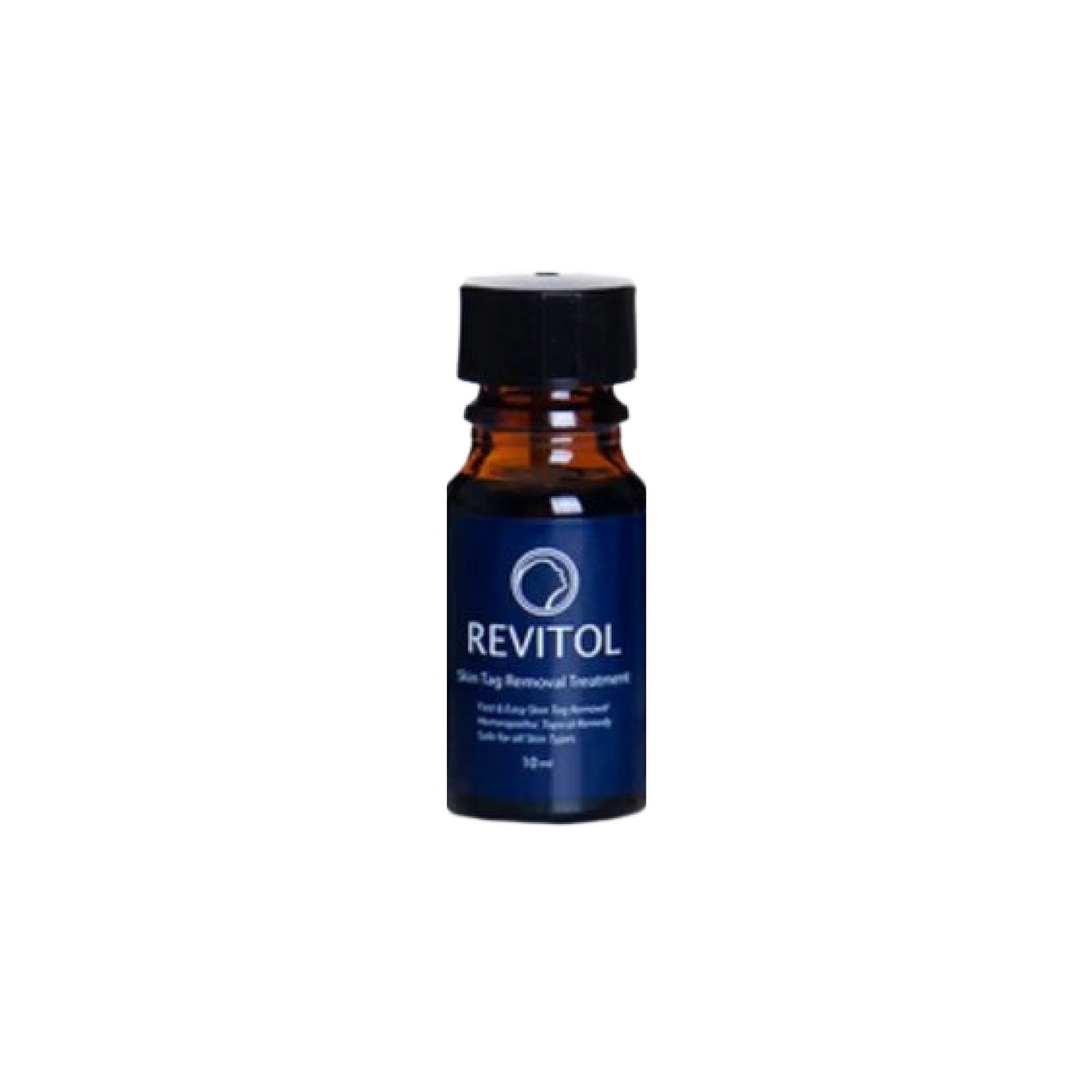
Revitol Skin Tag Removal Topical Formula - 1 Bottle
Buy Now — opens in a new tab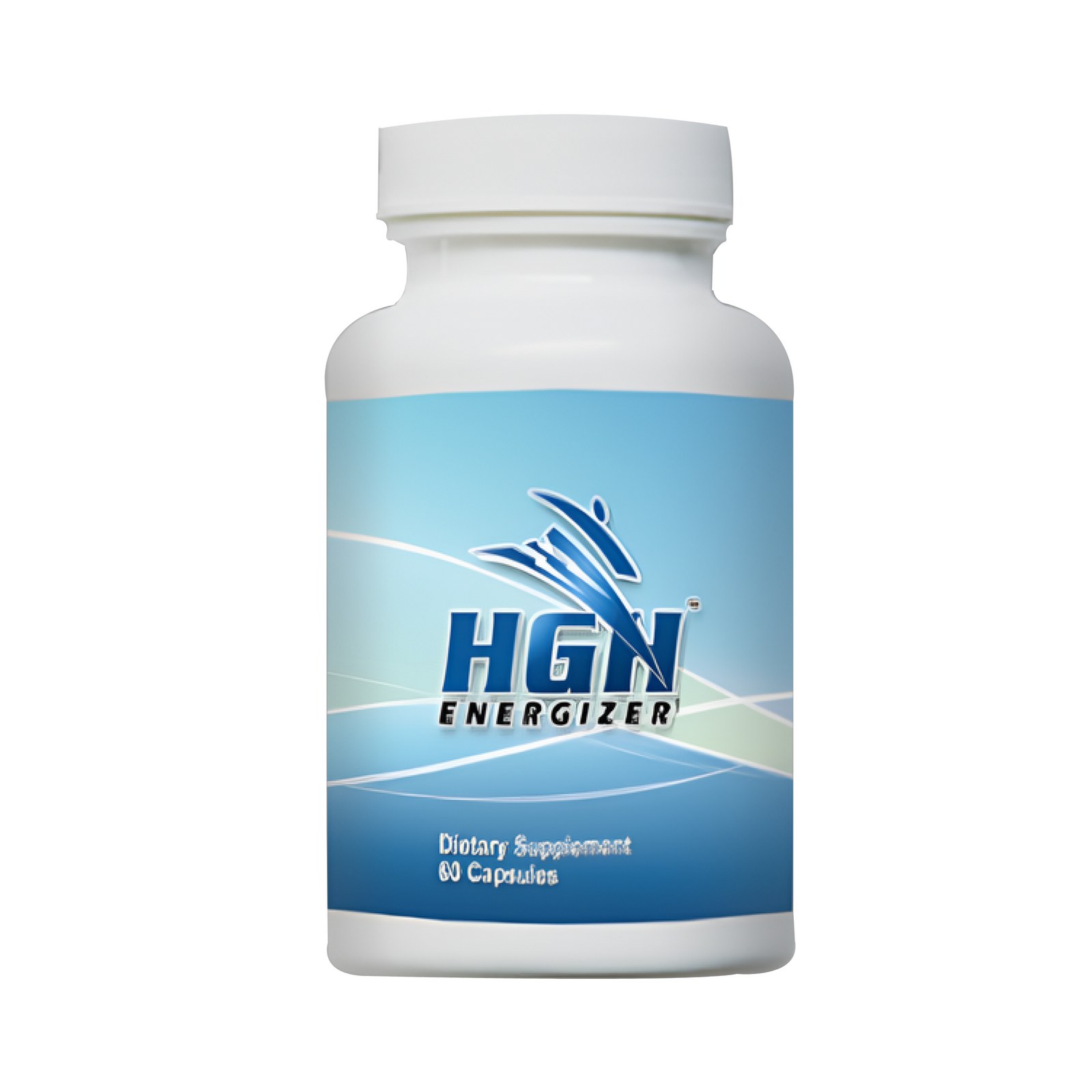
HGH Energizer Dietary Supplement - 60 Capsules
Buy Now — opens in a new tab
V-Tight Intimate Care Gel with Manjakani Extract - 30 mL
Buy Now — opens in a new tabKeto-Style Meal Plan Safety Guide with Balanced Choices
Review medications, include varied non-starchy vegetables, hydrate appropriately, notice symptoms, and stop if a keto-style plan feels unsafe.
Keto-Style Meal Plan Safety Guide with Balanced Choices uses a safety-first keto-style framework that reviews medications, vegetable variety, hydration, symptoms, and limits of restriction. It is a flexible educational framework built from familiar foods, not a rigid prescription, medical treatment, or promise of a particular body-weight result. The plan can be adjusted for culture, budget, access, appetite, and schedule.
Start with eggs, fish or tofu, avocado, non-starchy vegetables, nuts or seeds, suitable dairy or alternatives, and water. consult a clinician about diabetes medication kidney disease pregnancy or other relevant conditions. Choose forms and amounts that are realistic for the household rather than following an arbitrary ideal.
Next, include a variety of vegetables and suitable fiber sources. Combine ingredients into a complete meal or snack instead of focusing on one nutrient in isolation.
For variety, follow individualized hydration and electrolyte guidance rather than guessing. Change flavor, texture, temperature, or format while keeping the central structure recognizable and practical.
Finally, stop and seek help for concerning symptoms and avoid prolonged or extreme fasting. People using insulin or other glucose-lowering medicine should not begin a keto-style plan without close clinical supervision.
Make the plan easier by choosing ingredients you already know how to prepare and by keeping one complete backup meal available. Fresh, frozen, canned, and dried foods can all be useful. Check labels for allergens and any factors your clinician has asked you to monitor, but do not turn label comparison into a search for a perfect product.
Portions should remain flexible. Start with an amount that commonly satisfies you, eat at a comfortable pace, and add more when needed. Hunger may change with sleep, activity, stress, illness, medication, and the length of the day. Do not skip the next meal or use excessive exercise to compensate when a meal differs from the plan.
Store prepared food promptly in clean covered containers, label dates when helpful, and follow reliable local guidance for refrigeration, freezing, thawing, cooking, and reheating. Discard food that has been held unsafely or shows signs of spoilage. Practical meal planning always includes food safety.
Review the routine after several days. Notice what tasted good, traveled well, reduced effort, and created useful leftovers. Adjust one detail at a time rather than replacing the whole plan. A simpler pattern that fits real life is often more useful than an elaborate schedule.
People with allergies, diabetes, kidney disease, digestive conditions, pregnancy-related needs, medication considerations, swallowing concerns, or a history of disordered eating should personalize choices with a qualified clinician or registered dietitian. This educational framework does not replace medical care and cannot guarantee weight loss or any specific health outcome.
#DietPlan #KetoDiet #KetoSafety #LowCarbEating #HealthyEating
Review medications, include varied non-starchy vegetables, hydrate appropriately, notice symptoms, and stop if a keto-style plan feels unsafe.
0 views · Published Sep 14, 2026
Creator: How To Lose Weight Gallery
Copyright: How To Lose Weight Gallery
Image license
African Mango Plus Herbal Supplement - 60 Capsules
Buy Now — opens in a new tab
Revitol Skin Tag Removal Topical Formula - 1 Bottle
Buy Now — opens in a new tab
HGH Energizer Dietary Supplement - 60 Capsules
Buy Now — opens in a new tab


