

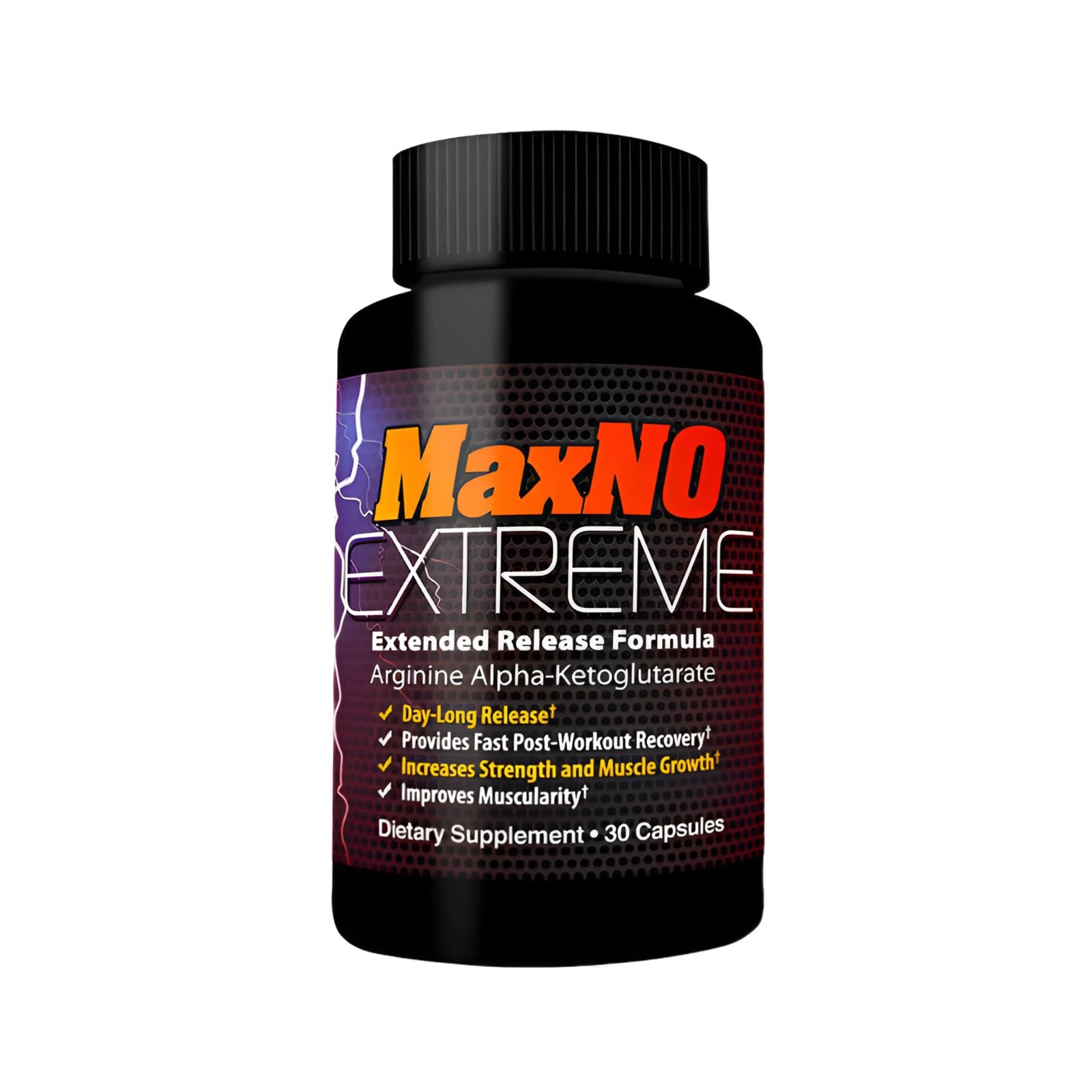
MaxNO Extreme Arginine Alpha-Ketoglutarate Supplement - 30 Capsules
Buy Now — opens in a new tab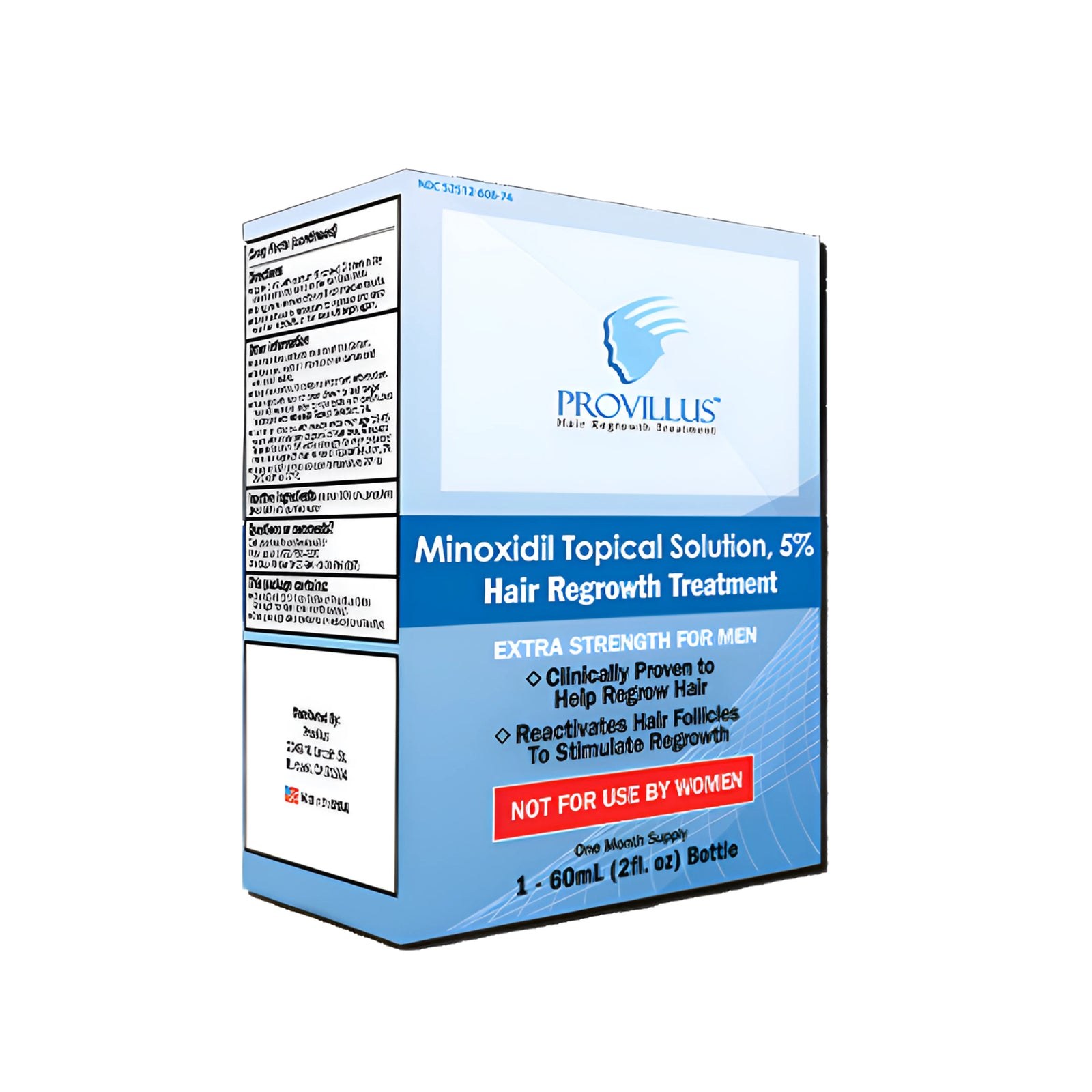
Provillus Minoxidil 5% for Men - Extra Strength Topical Hair Regrowth Treatment, 60 mL
Buy Now — opens in a new tab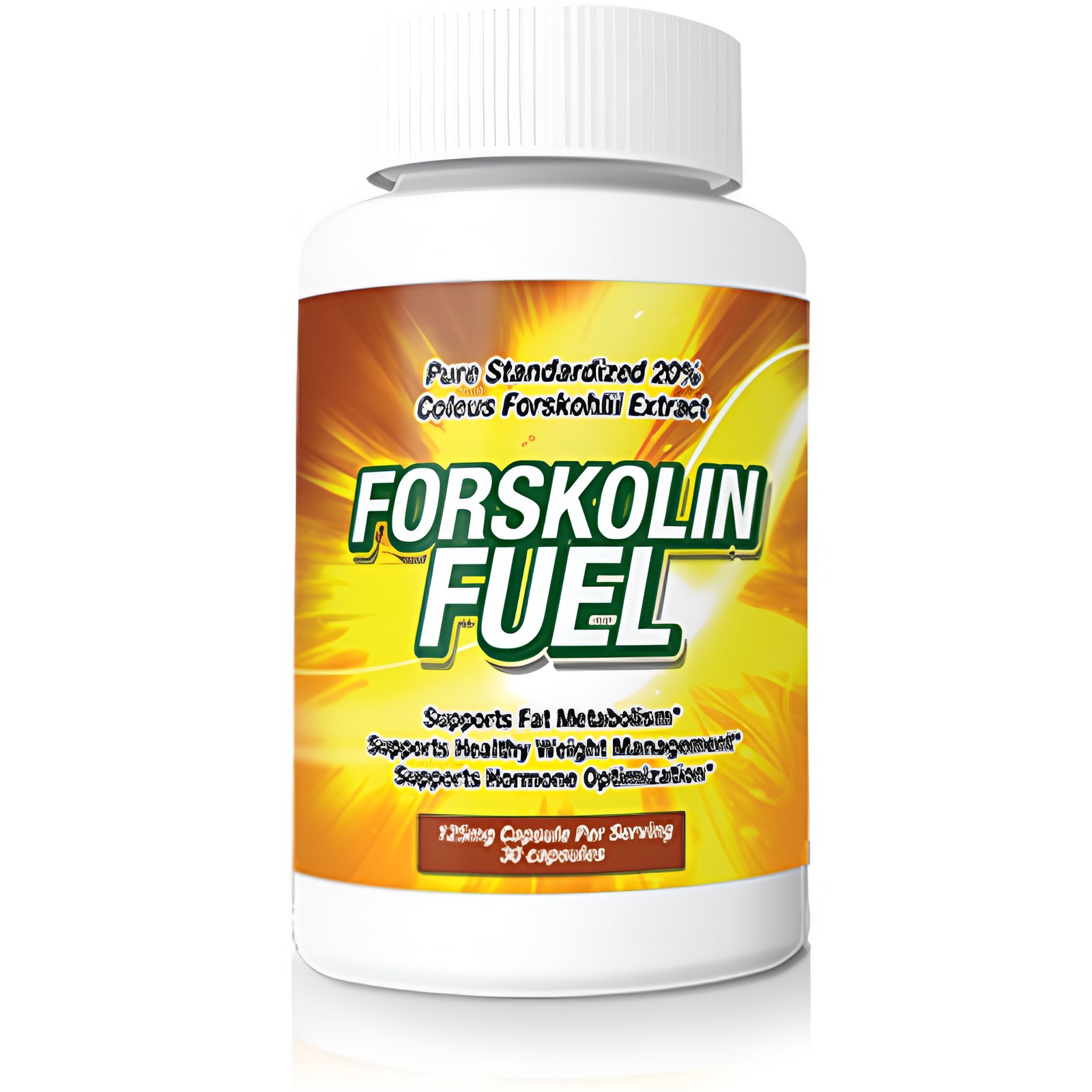
Forskolin Fuel Coleus Forskohlii Extract Dietary Supplement - 1 Bottle
Buy Now — opens in a new tab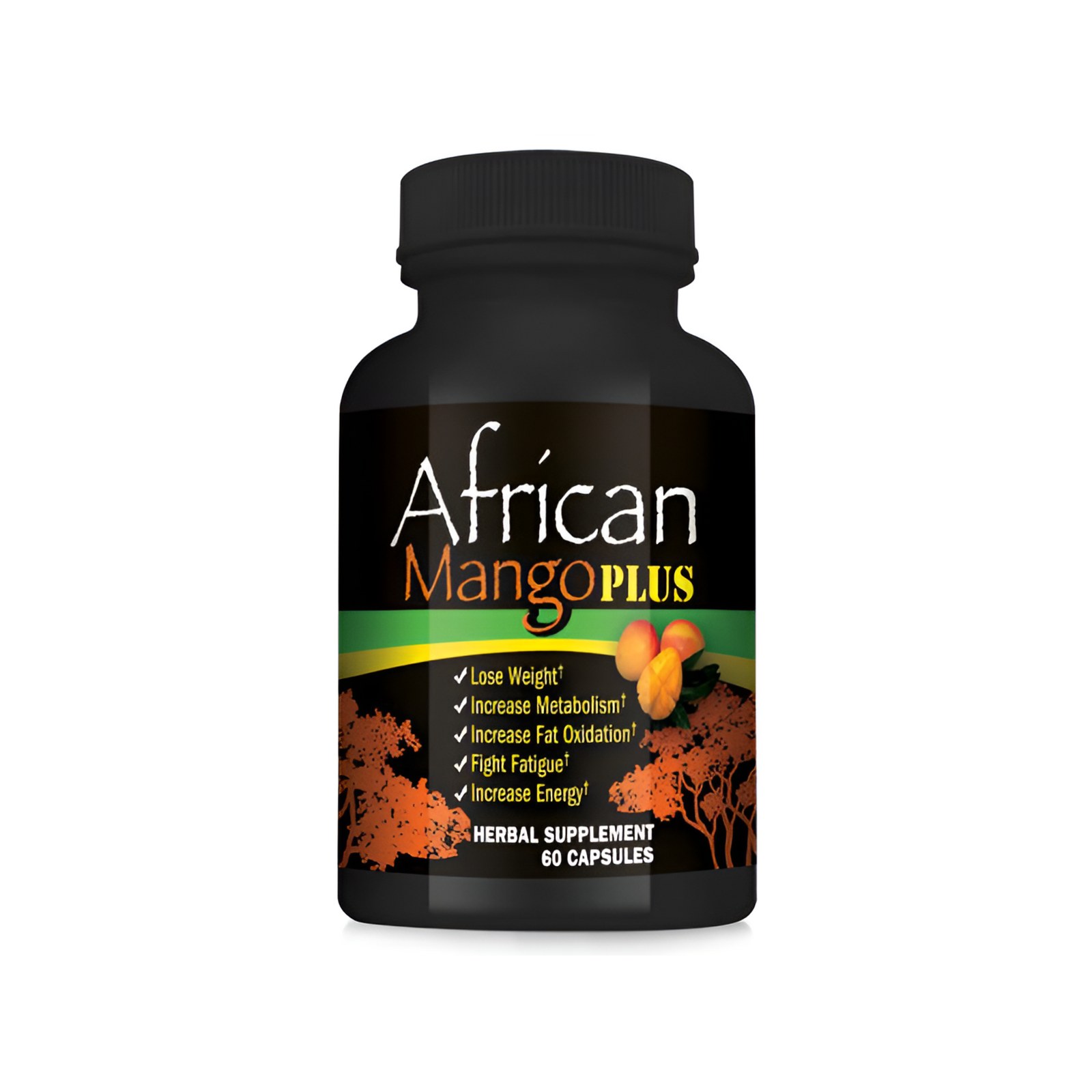
African Mango Plus Herbal Supplement - 60 Capsules
Buy Now — opens in a new tabLearn a Controlled Goblet Squat with Coaching
Practice a goblet squat with a manageable dumbbell, stable stance, and controlled range before adding load.
Hold one dumbbell close to your chest and stand with a comfortable foot position. Sit down between your hips while keeping the weight balanced over your feet, then stand with control. A coach can help adjust stance and range for your body. Strength training can support muscle and weight-management goals, but results vary and one exercise is not a weight-loss guarantee. Begin with a manageable load and stop for pain, dizziness, or unusual symptoms.
Use Learn a Controlled Goblet Squat with Coaching as a flexible starting point rather than a rigid test. Choose a version that matches your current ability, available time, and surroundings. A short, comfortable session completed consistently can be more useful than an ambitious plan that is difficult to repeat.
Begin with a few minutes of easy movement and gradually increase effort. Keep a pace that allows controlled breathing and good technique. If form becomes difficult, reduce the range, resistance, speed, or duration. Rest between efforts whenever it helps you move safely.
Plan the session around simple cues: stable posture, smooth repetitions, and an effort level you can recover from. Comfortable shoes, clear floor space, water, and suitable clothing can remove avoidable friction. Outdoor sessions also need attention to weather, traffic, lighting, and surface conditions.
Progress can come from adding a few minutes, one set, a small amount of resistance, or another weekly session. Change only one factor at a time and observe how your body responds. Soreness is not required for a workout to be useful, and pain is a reason to stop and reassess.
Pair activity with regular meals, hydration, and sleep that fit your needs. Exercise can support health and weight-management habits, but no single routine guarantees weight loss or a particular body change. Results vary with many factors, including health, recovery, daily movement, and overall eating patterns.
Track actions that you can repeat, such as sessions completed, walking time, or improved technique. Review the plan after a week and adjust it to your schedule. Missing a day does not require punishment or compensation; resume with the next suitable session.
Stop exercising and seek urgent help for chest pain, fainting, severe shortness of breath, or other alarming symptoms. People who are pregnant, recovering from injury, or managing heart, joint, metabolic, or other medical conditions should get individualized advice before making major changes.
#StrengthTrainingForWeightLoss #GobletSquat #GymWorkouts #ExerciseSafety
Treat this routine as a flexible starting point. Choose a version that matches your current ability, available time, and surroundings. A short session repeated comfortably can be more useful than an ambitious plan that is difficult to maintain.
Begin with easy movement and increase effort gradually. Keep a pace that allows controlled breathing and good technique. Reduce the range, resistance, speed, or duration when form becomes difficult, and rest whenever it helps you move safely.
1 views · Published Sep 13, 2026
Creator: How To Lose Weight Gallery
Copyright: How To Lose Weight Gallery
Image license
MaxNO Extreme Arginine Alpha-Ketoglutarate Supplement - 30 Capsules
Buy Now — opens in a new tab
Provillus Minoxidil 5% for Men - Extra Strength Topical Hair Regrowth Treatment, 60 mL
Buy Now — opens in a new tab
Forskolin Fuel Coleus Forskohlii Extract Dietary Supplement - 1 Bottle
Buy Now — opens in a new tab


