

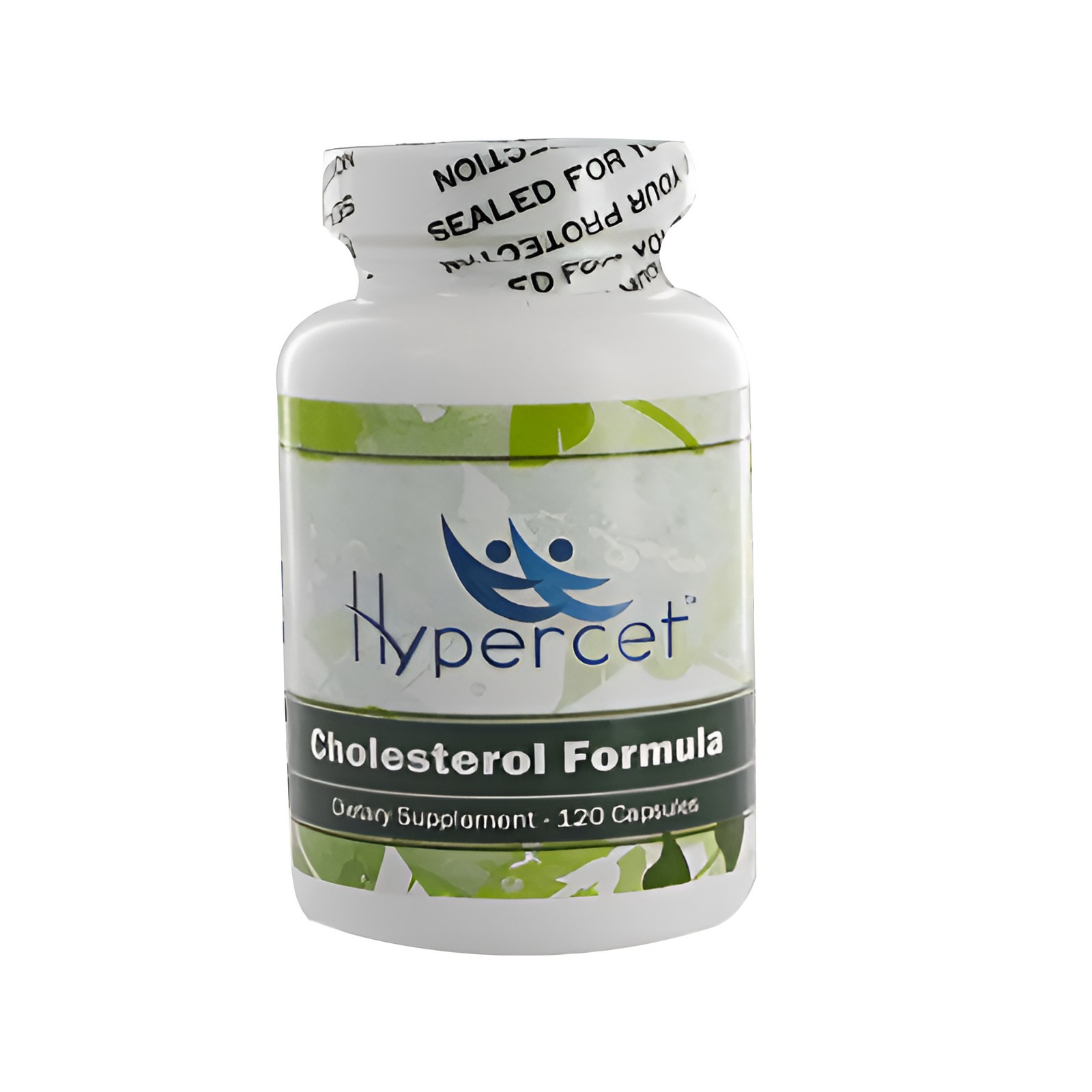
Hypercet Cholesterol Formula Dietary Supplement - 120 Capsules
Buy Now — opens in a new tab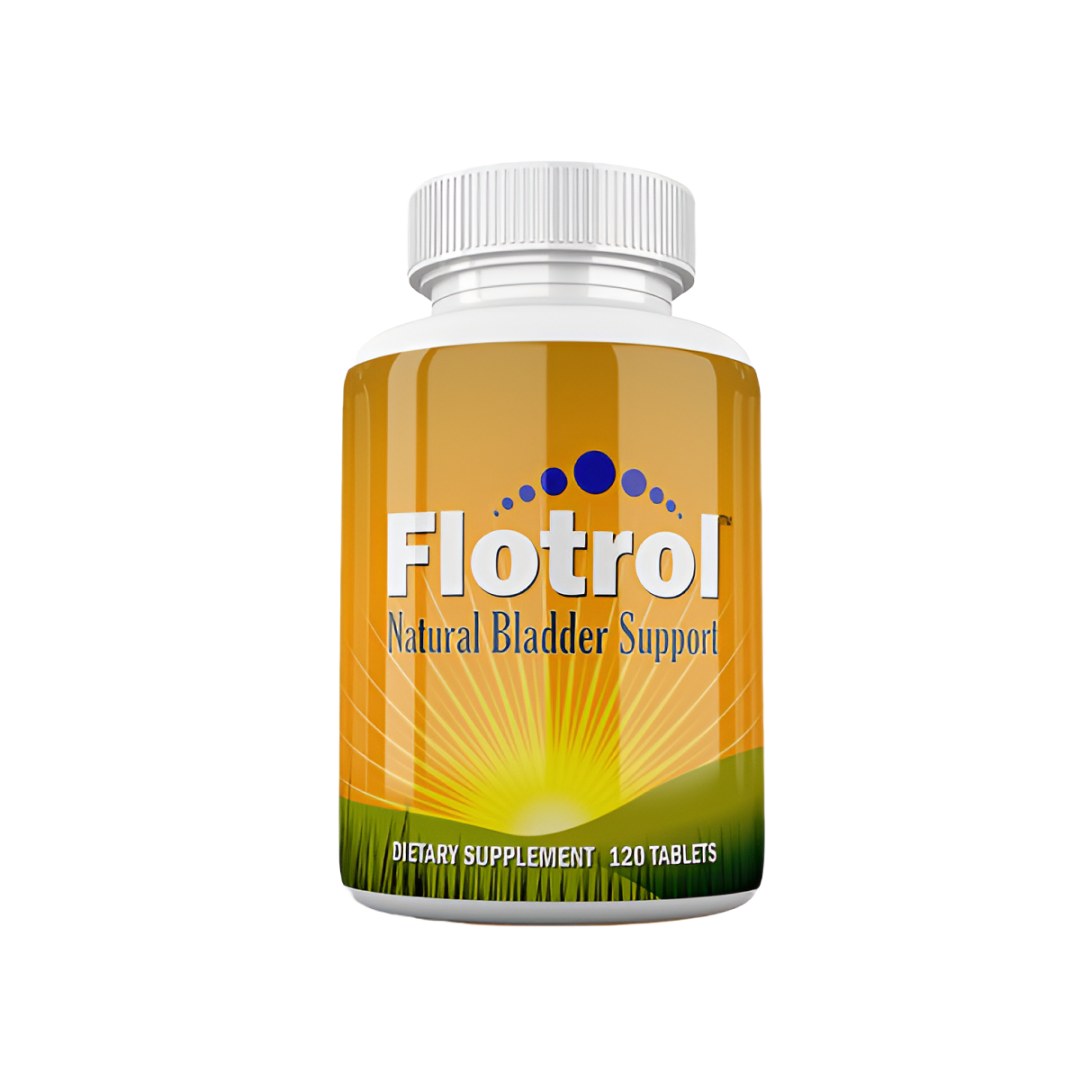
FloTrol Bladder & Urinary Health Support Dietary Supplement - 1 Bottle
Buy Now — opens in a new tab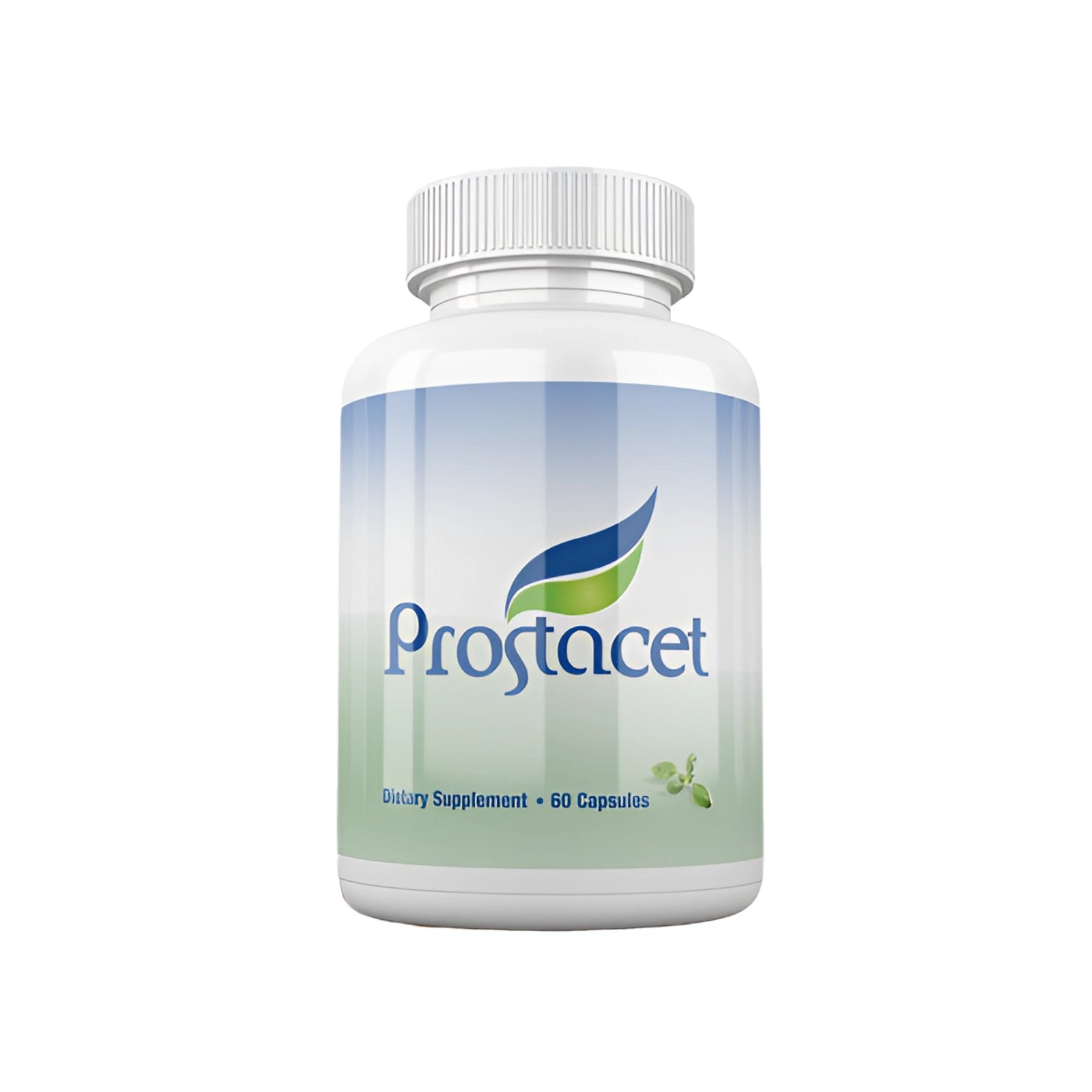
Prostacet Prostate Health Dietary Supplement - 60 Capsules
Buy Now — opens in a new tab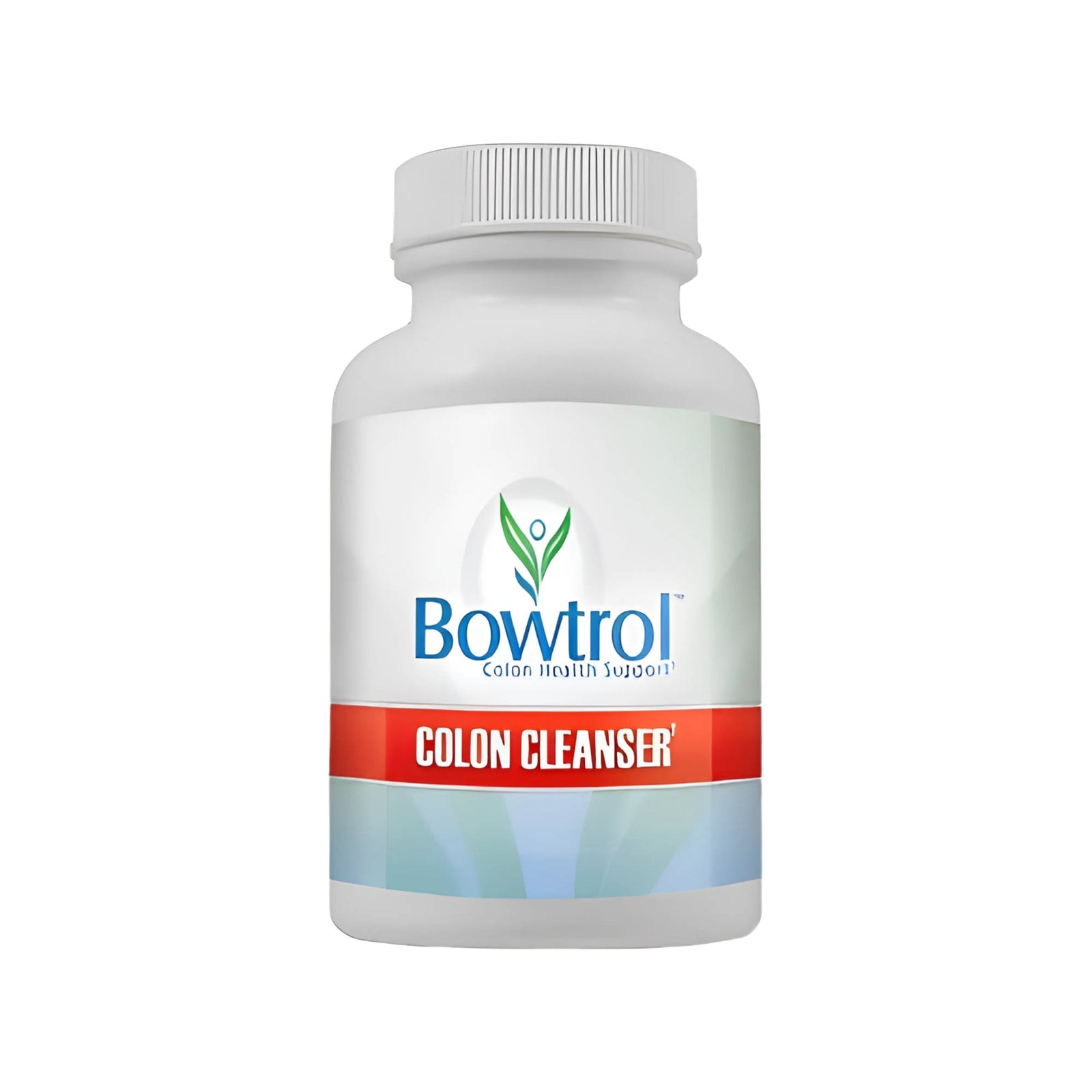
Bowtrol Colon Cleanser Digestive Health Supplement - 1 Bottle
Buy Now — opens in a new tabReading a low-carb recipe beyond its carbohydrate count
Search for two low-carbohydrate recipes and one may be mostly fish and greens while the other is mostly cheese, butter and bacon. A carbohydrate count says little about that difference.
Published by How To Lose Weight Gallery · Request a correction
What to check in a low-carb recipe when LDL is elevated
Search for two low-carbohydrate recipes and one may be mostly fish and greens while the other is mostly cheese, butter and bacon. A carbohydrate count says little about that difference. If an LDL result has prompted a conversation about saturated fat, look at the recipe's ingredients before deciding how it fits into your week.
The cholesterol in an LDL particle is distinct from the amount of carbohydrate on a food label. LDL exposure over time contributes to the development of plaque. HDL carries a portion of cholesterol back to the liver, but a good HDL value does not offset an LDL level above your personal goal. Read the test rows separately and ask the clinician how they fit your wider risk. American Heart Association’s guide to cholesterol levels
Compare two ways to cook the same vegetables
Take cauliflower as an example. One casserole might call for butter, whipping cream and a thick layer of cheese. For a second version, break the cauliflower into similar-sized florets. Toss them with a little olive oil and pepper, then roast until tender and browned at the edges. Spoon over a dressing of lemon, parsley and plain low-fat yogurt, or a little tahini thinned with water if that suits your meals better.
Notice what provides richness in each recipe. Roasting concentrates flavor, lemon adds brightness and the dressing brings moisture to a vegetable that can otherwise seem dry. This gives you specific alternatives if the first casserole is a regular source of saturated fat. Compare labels on the actual products when choosing among dairy, coconut-based and other alternatives. A plant-based label alone does not tell you the saturated fat content. American Heart Association guide to cooking oils American Heart Association label-reading guide
If you use carbohydrate counts for diabetes care or another medical reason, work from the ingredients and portions you actually serve. A family recipe often changes when someone doubles the sauce or adds a side. An individual care plan may call for a different carbohydrate amount than the one printed on a recipe website.
If you usually look up meals on a phone, save the ingredient list alongside the picture. A photo of toasted cauliflower tells you very little about what was used in the pan. Later you can compare the amount of oil or butter you actually used and the side that accompanied it. This makes it easier to repeat a version that worked, or to explain the practical change to a dietitian reviewing your food record.
Mark the date of your blood test, then ask whether another panel is needed after your agreed changes. Bring the ingredient swaps you tried and how often you made them. You can choose a recipe today. Judging your LDL response takes a measured result and the clinical context around it.
Further reading on this topic
LDL and HDL Context Guide for Low Carb Recipes; an original educational graphic with no patient data, medical thresholds, or treatment claims.
5 views · Published Oct 12, 2026
Creator: How To Lose Weight Gallery
Copyright: How To Lose Weight Gallery
Image license
Hypercet Cholesterol Formula Dietary Supplement - 120 Capsules
Buy Now — opens in a new tab
FloTrol Bladder & Urinary Health Support Dietary Supplement - 1 Bottle
Buy Now — opens in a new tab
Prostacet Prostate Health Dietary Supplement - 60 Capsules
Buy Now — opens in a new tab


