

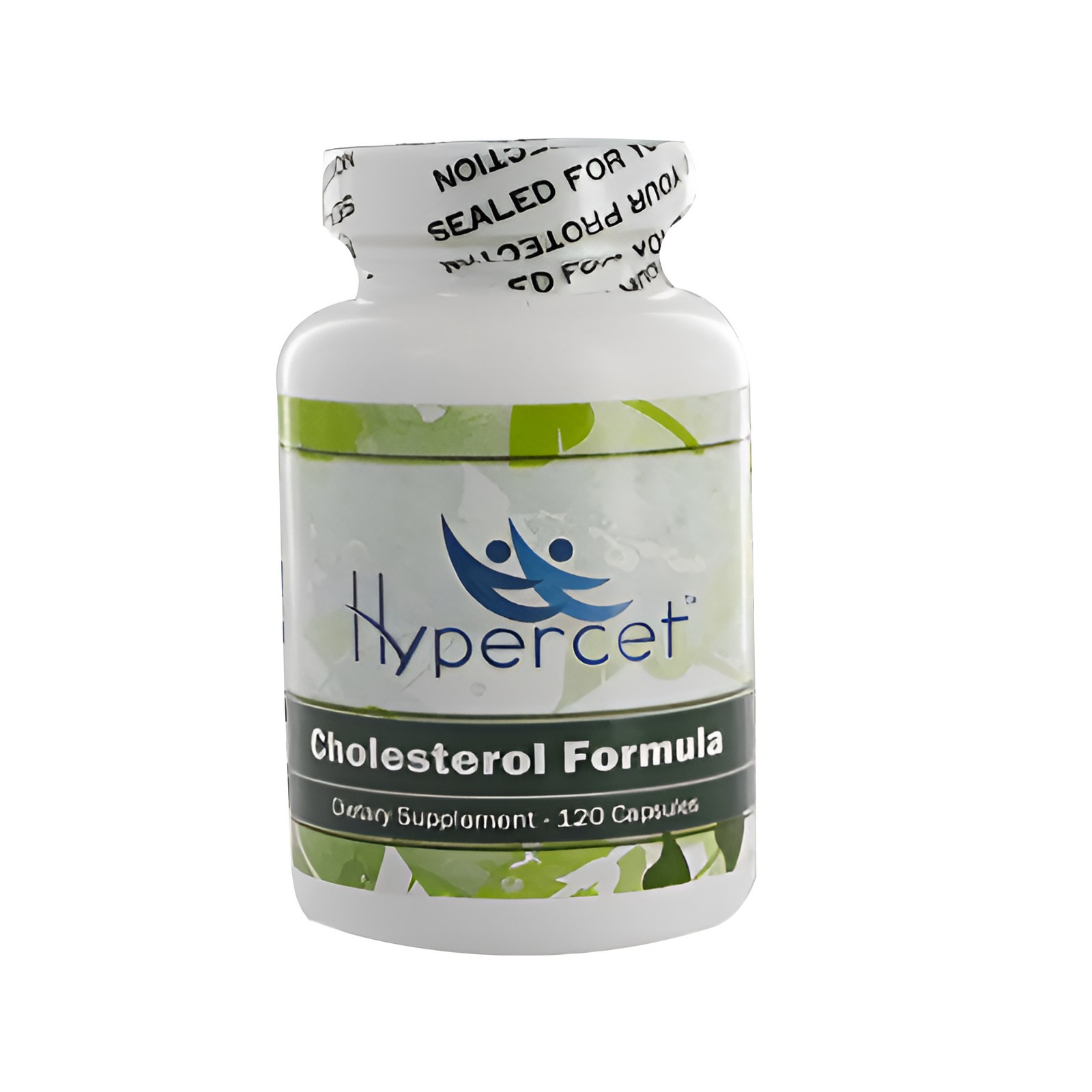
Hypercet Cholesterol Formula Dietary Supplement - 120 Capsules
Buy Now — opens in a new tab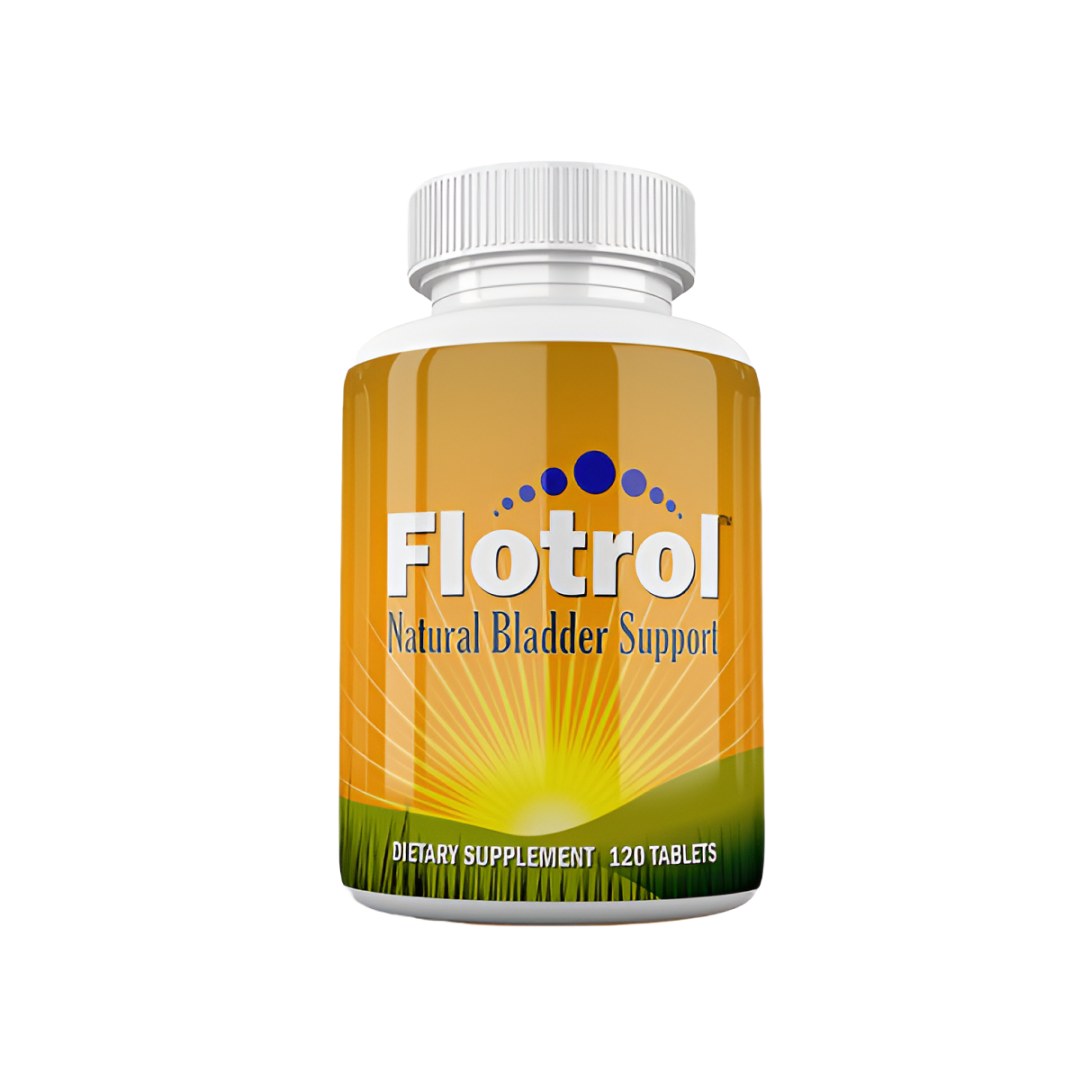
FloTrol Bladder & Urinary Health Support Dietary Supplement - 1 Bottle
Buy Now — opens in a new tab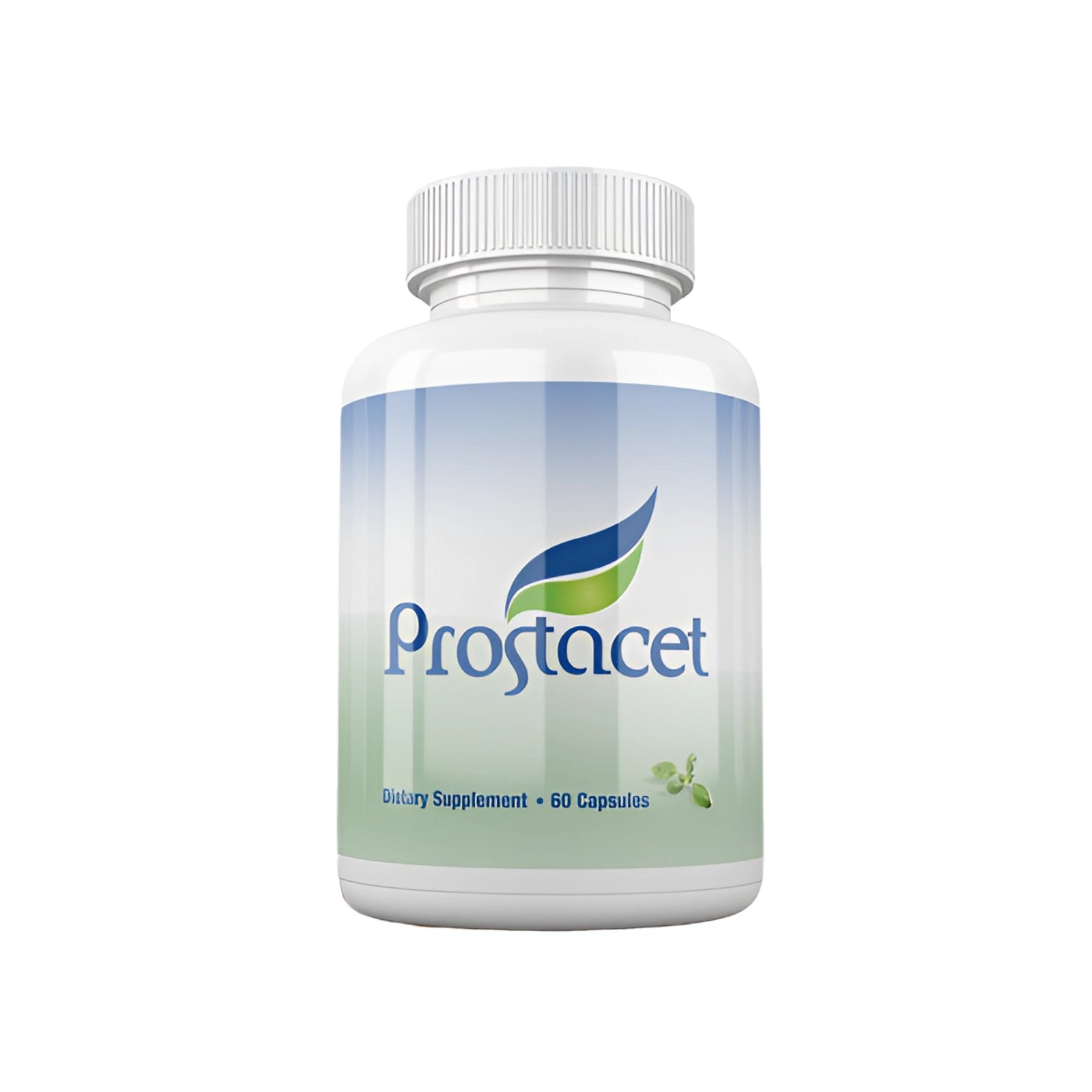
Prostacet Prostate Health Dietary Supplement - 60 Capsules
Buy Now — opens in a new tab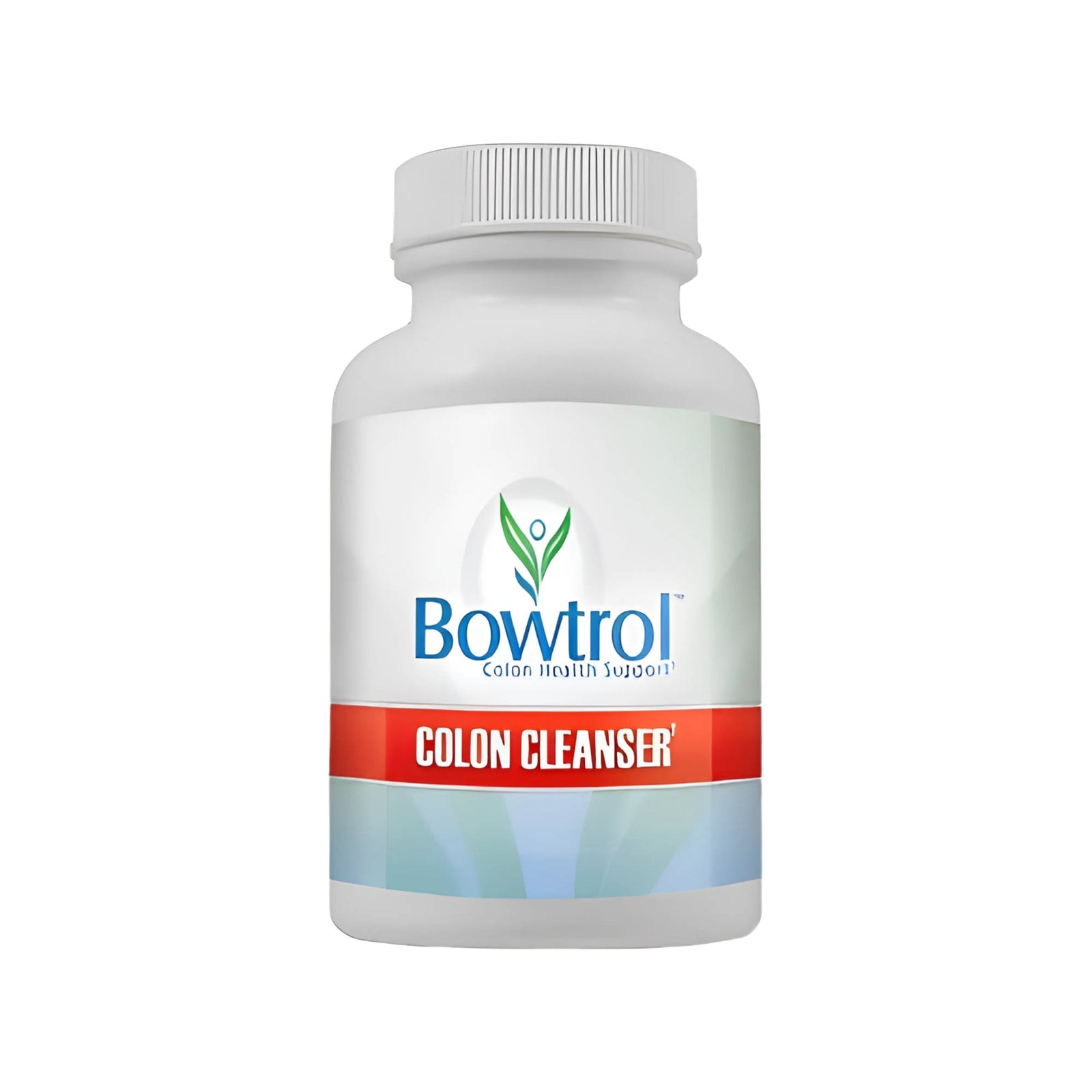
Bowtrol Colon Cleanser Digestive Health Supplement - 1 Bottle
Buy Now — opens in a new tabReading a lipid panel: compare two high-protein dinners with an LDL result in mind
For example, suppose your two weekday staples are beef in a creamy sauce and fish served over white beans. If LDL cholesterol is a concern, the type of cooking fat, the cut of meat and the accompaniments matter alongside the protein.
Published by How To Lose Weight Gallery · Request a correction
Compare two high-protein dinners with an LDL result in mind
A dinner can provide plenty of protein in more than one way. For example, suppose your two weekday staples are beef in a creamy sauce and fish served over white beans. If LDL cholesterol is a concern, the type of cooking fat, the cut of meat and the accompaniments matter alongside the protein. The number of grams of protein does not predict your LDL result.
Lay the two recipes side by side. Underline the main protein. Circle the butter, cheese, cream, coconut oil or other large sources of saturated fat. For one recipe you already like, try a practical substitution: replace some beef in a stew with beans and use olive oil to soften the onions. Taste and cost count when deciding whether you will cook it again. The American Heart Association explains which dietary fats affect LDL.
Then open the report and find the LDL-C line. Check the date, unit and whether your clinician has given you a personal goal. If the lab lists HDL and triglycerides on either side, leave them on their own lines. MedlinePlus describes the lipid-panel measurements.
Use the side dishes to complete the comparison
A recipe for fish and white beans may be served with bread at home and with a creamy potato dish at a restaurant. A beef stew might be the main dish one night and a small topping for a bowl of vegetables the next. Include that context when comparing dinners. There is no need to calculate a nutrient profile for every plate. A sketch of the usual plate, the ingredients and which ones you can swap gives a dietitian more to work with than a recipe title alone.
For a useful trial, choose one component to change the next time you make dinner. If the sauce is the part everyone enjoys, keep its herbs and seasoning and try an alternative base. If the meat is the part you want to keep, try a different side rather than altering the entire dish. Write down whether people had seconds, the amount left over and whether the substitute increased the grocery bill. A meal that tastes good but doubles the cost may need another approach.
When the lab review comes around, bring both recipe versions and ask what information would make the comparison more useful. The clinician might want the frequency of the meals rather than a list of all the ingredients. Recording a normal week's dinners can answer that question without trying to assign a cholesterol reading to an individual serving.
When you ask about the next test, explain which dinner change was realistic and how often you repeated it. One meal is a useful place to experiment in the kitchen; it cannot show how much your blood cholesterol changed.
Further reading on this topic
Lipid Panel Basics for High Protein Dinner; an original educational graphic with no patient data, medical thresholds, or treatment claims.
1 views · Published Oct 12, 2026
Creator: How To Lose Weight Gallery
Copyright: How To Lose Weight Gallery
Image license
Hypercet Cholesterol Formula Dietary Supplement - 120 Capsules
Buy Now — opens in a new tab
FloTrol Bladder & Urinary Health Support Dietary Supplement - 1 Bottle
Buy Now — opens in a new tab
Prostacet Prostate Health Dietary Supplement - 60 Capsules
Buy Now — opens in a new tab


