


African Mango Plus Herbal Supplement - 60 Capsules
Buy Now — opens in a new tab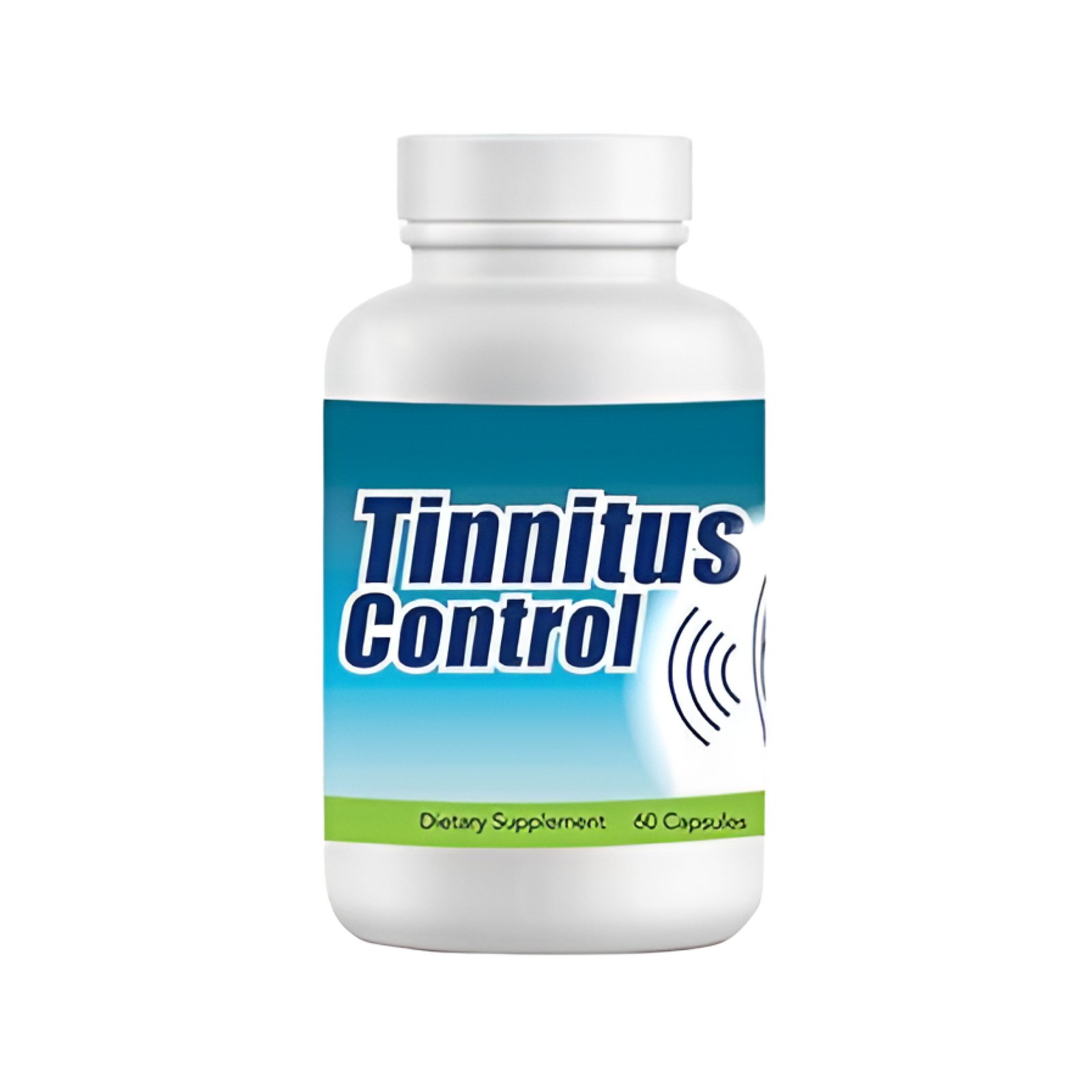
Tinnitus Control Dietary Supplement - 60 Capsules
Buy Now — opens in a new tab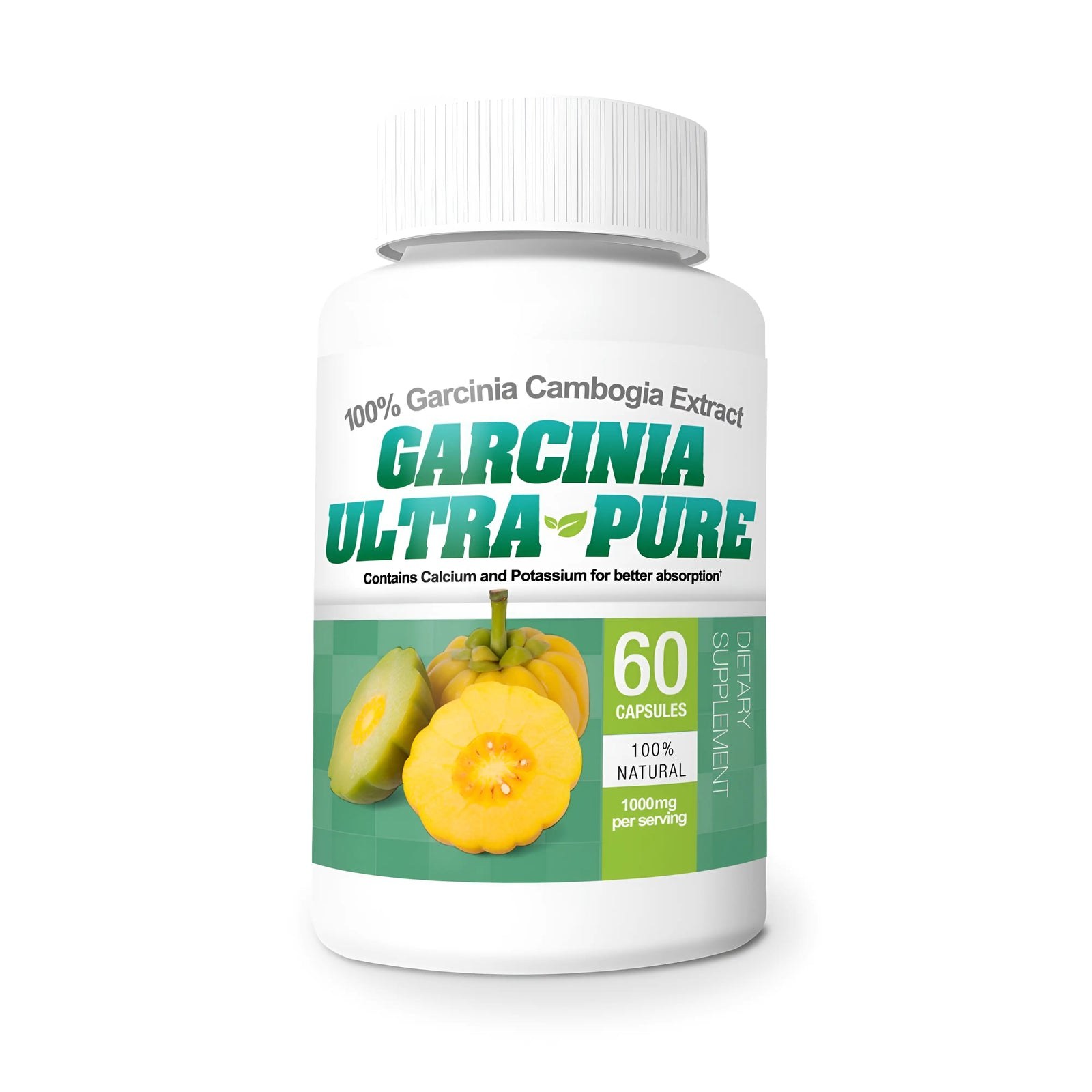
Garcinia Ultra Pure Garcinia Cambogia Extract Supplement - 60 Capsules
Buy Now — opens in a new tab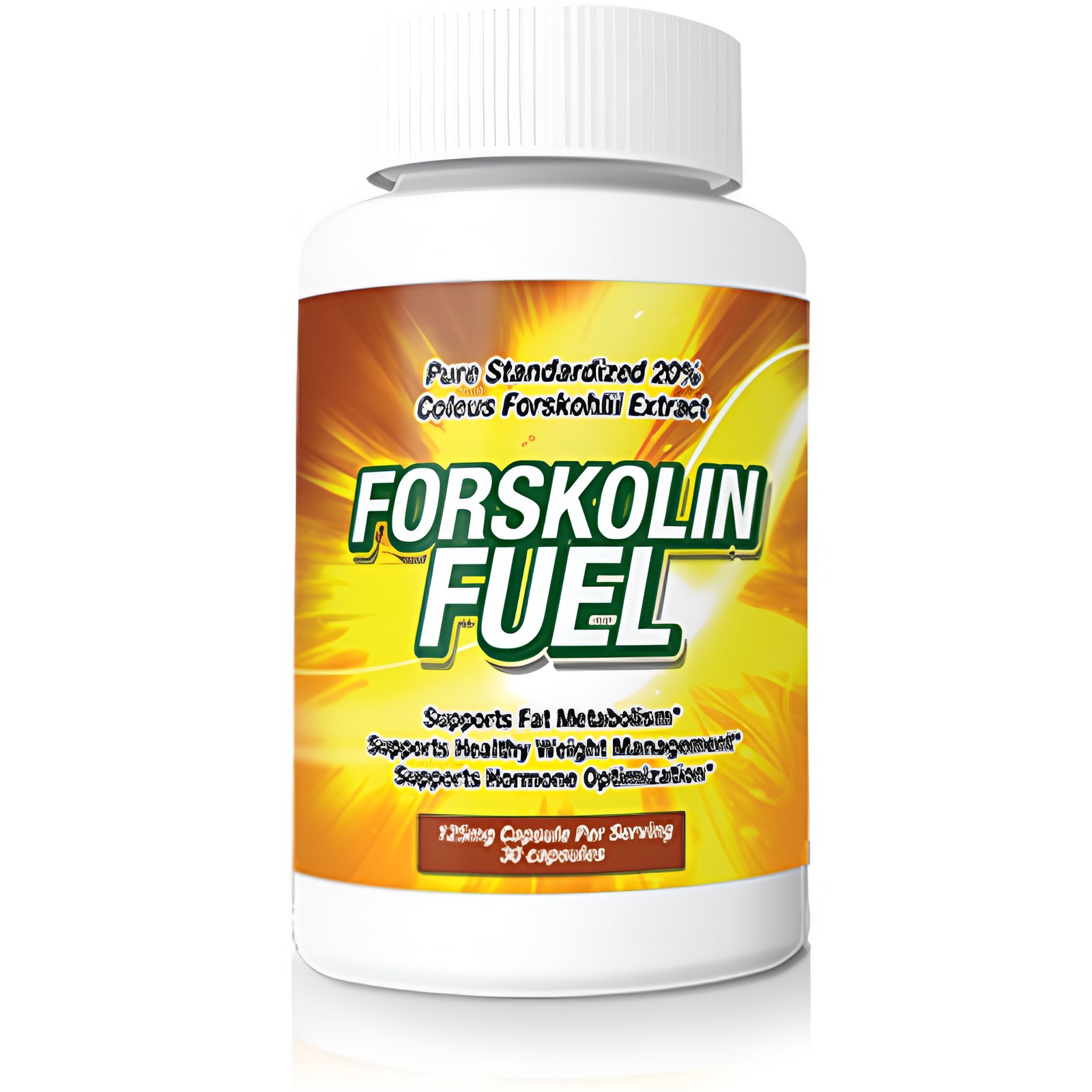
Forskolin Fuel Coleus Forskohlii Extract Dietary Supplement - 1 Bottle
Buy Now — opens in a new tab6 Portion Control Tips for Healthy Weight Loss: Infographic
Make mealtimes more intentional with this six-tip portion control infographic, featuring practical ideas for snacks, food labels, vegetables, and everyday meals.
Use this visual checklist at your next meal.
1. Bowl your snacks instead of eating from the package.
2. Compare your portion with the label. A labeled serving is not a personal eating target.
3. Swap some calorie-dense ingredients for vegetables; simply adding vegetables leaves the original calories in place.
4. Eat slowly and notice fullness.
5. Store extra food for another meal.
6. Set screens aside and enjoy your food.
Food needs differ. These are flexible adult habits, not a prescribed diet or a promise of weight loss.
Related product: African Mango Plus Herbal Supplement - 60 Capsules is linked from our Weight Management Supplements catalog for topic relevance. This does not establish that it improves portion control or produces weight loss. The catalog does not include a complete Supplement Facts panel; confirm the current label with the seller. Discuss supplement use with a qualified clinician if you take medicines or have a health condition. You do not need a supplement to use these tips.
Sources:
NIDDK - Food Portions: Choosing Just Enough for You
https://www.niddk.nih.gov/health-information/weight-management/just-enough-food-portions
CDC - Tips for Increasing Vegetables and Fruits in Your Diet
https://www.cdc.gov/healthy-weight-growth/healthy-eating/fruits-vegetables.html
Use 6 Portion Control Tips for Healthy Weight Loss: Infographic as a flexible idea that can be adapted to your household, budget, culture, and appetite. Start by checking the ingredients already available, then choose substitutions that serve a similar role. The aim is a practical meal or routine, not a perfect plate or a guaranteed weight-loss result.
Plan around a few dependable components: a protein food, vegetables or fruit, a satisfying carbohydrate when desired, and a small amount of flavorful fat or sauce. Exact portions vary from person to person. Hunger, activity, age, health, and the rest of the day all affect what feels appropriate.
Prepare ingredients before heating the pan or assembling the meal. Wash produce, keep raw animal foods separate from ready-to-eat items, and use clean boards and utensils. Cooking in a clear sequence reduces stress and helps each component reach the texture and temperature you want.
Flavor can come from herbs, spices, citrus, vinegar, garlic, ginger, yogurt-based sauces, or a measured amount of a favorite condiment. Taste before adding more salt. If an ingredient is expensive or unavailable, replace it with a familiar local option instead of abandoning the whole idea.
Make the recipe easier to repeat by noting which steps can happen ahead of time. Cooked grains, washed vegetables, sauces, or portioned ingredients may shorten a busy-day meal. Follow local food-safety guidance, refrigerate perishable food promptly, and discard anything with an uncertain storage history.
Serve the food slowly enough to notice taste and comfort. Add more food if the planned amount does not satisfy you, or save leftovers if you have had enough. A balanced eating pattern is built across many meals, so one meal does not need to meet every nutrition goal by itself.
#PortionControl #WeightLossTips #HealthyEating #HealthyWeightLoss #MindfulEating #BalancedMeals
Try one tip at your next meal. General adult guidance adapted from NIDDK and CDC; individual food needs vary.
2 views · Published Sep 12, 2026
Creator: How To Lose Weight Gallery
Copyright: How To Lose Weight Gallery
Image license
African Mango Plus Herbal Supplement - 60 Capsules
Buy Now — opens in a new tab
Tinnitus Control Dietary Supplement - 60 Capsules
Buy Now — opens in a new tab
Garcinia Ultra Pure Garcinia Cambogia Extract Supplement - 60 Capsules
Buy Now — opens in a new tab


