

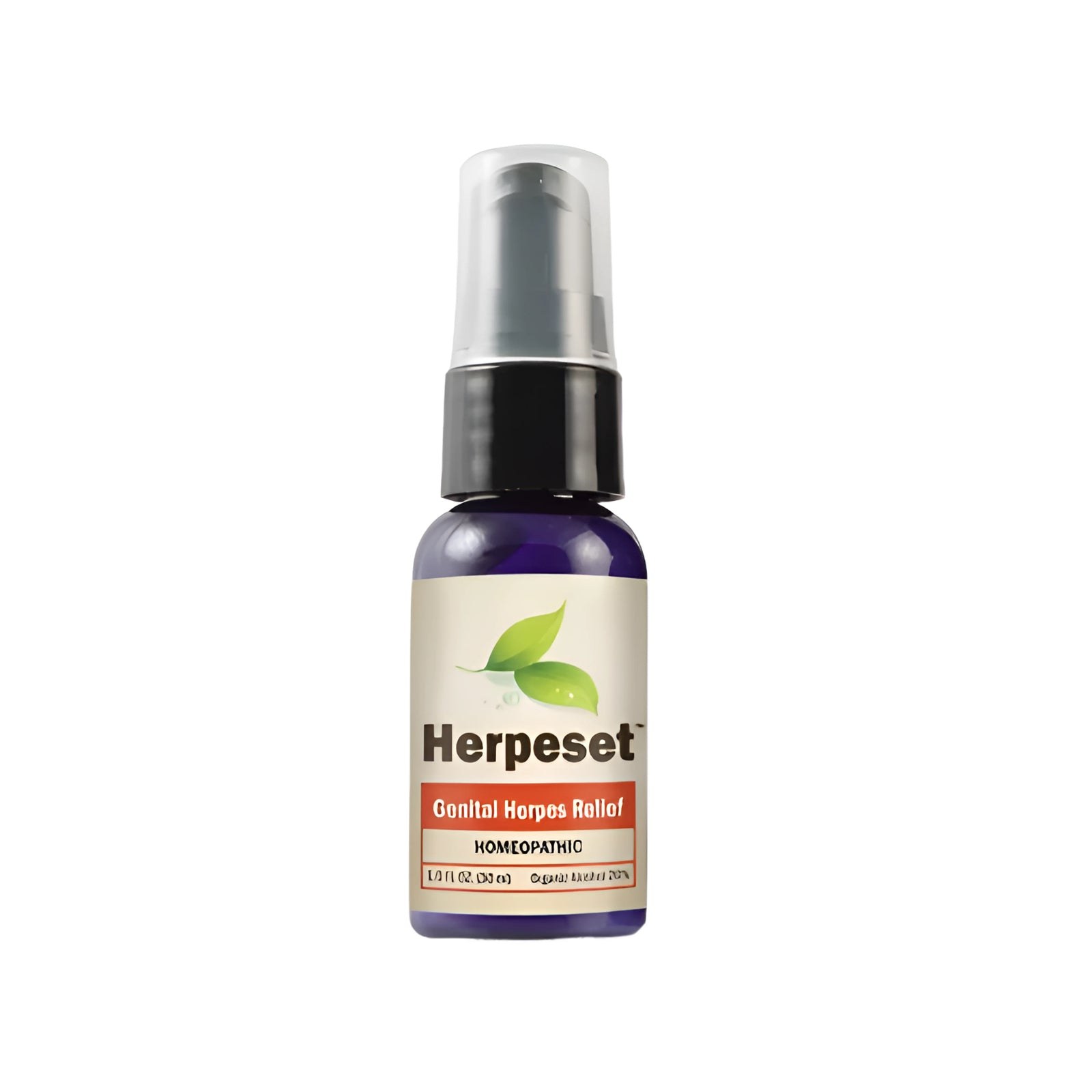
Herpeset Homeopathic Herpes & Cold Sore Care Spray - 30 mL Bottle
Buy Now — opens in a new tab
Bowtrol Colon Cleanser Digestive Health Supplement - 1 Bottle
Buy Now — opens in a new tab
FloTrol Bladder & Urinary Health Support Dietary Supplement - 1 Bottle
Buy Now — opens in a new tab
Prostacet Prostate Health Dietary Supplement - 60 Capsules
Buy Now — opens in a new tabQuestions to Consider: Food Trigger Myth Check
Suppose a new blister appears after a lentil dinner. Before deciding that lentils were responsible, check your chronology.
Published by How To Lose Weight Gallery · Request a correction
Was there tingling beforehand? Have lentils been part of other meals without symptoms? What else was going on that week? Write down “unknown” when you cannot answer.
Your notes do not have to identify a trigger to be helpful. If lemon juice touched the sore and hurt, keep it off tomorrow’s serving. Everyone else can add it to their own plate. You can adjust dinner for short-term comfort without turning a timing coincidence into a permanent food rule.
If you keep a note for a health visit, distinguish “ate lentils frequently” from “ate this exact prepared dish.” A restaurant sauce and a home recipe may have little else in common. A good note helps identify uncertainty rather than falsely elevating a single ingredient to the status of a diagnosis.
If someone asks whether the meal itself made the condition contagious, explain that cold sores spread through contact with the virus. Use separate eating utensils and avoid kissing until the sore has healed. Discuss frequent recurrences with a health professional.
Further reading on this topic
Food Trigger Myth Check for High Protein Dinner; general trigger-awareness education without diagnosis, cure claims, or guaranteed prevention.
4 views · Published Oct 11, 2026
Creator: How To Lose Weight Gallery
Copyright: How To Lose Weight Gallery
Image license
Herpeset Homeopathic Herpes & Cold Sore Care Spray - 30 mL Bottle
Buy Now — opens in a new tab
Bowtrol Colon Cleanser Digestive Health Supplement - 1 Bottle
Buy Now — opens in a new tab
FloTrol Bladder & Urinary Health Support Dietary Supplement - 1 Bottle
Buy Now — opens in a new tab


