

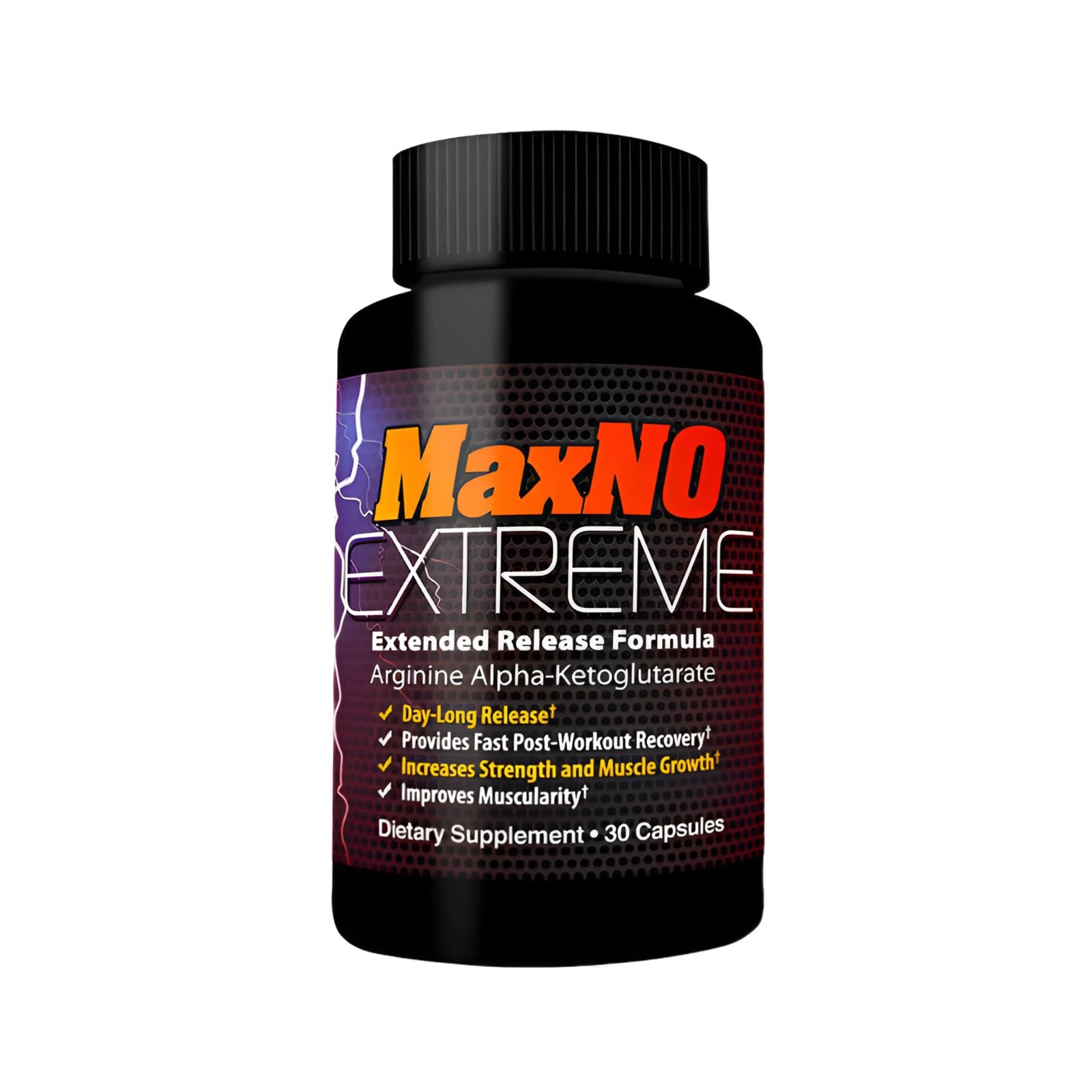
MaxNO Extreme Arginine Alpha-Ketoglutarate Supplement - 30 Capsules
Buy Now — opens in a new tab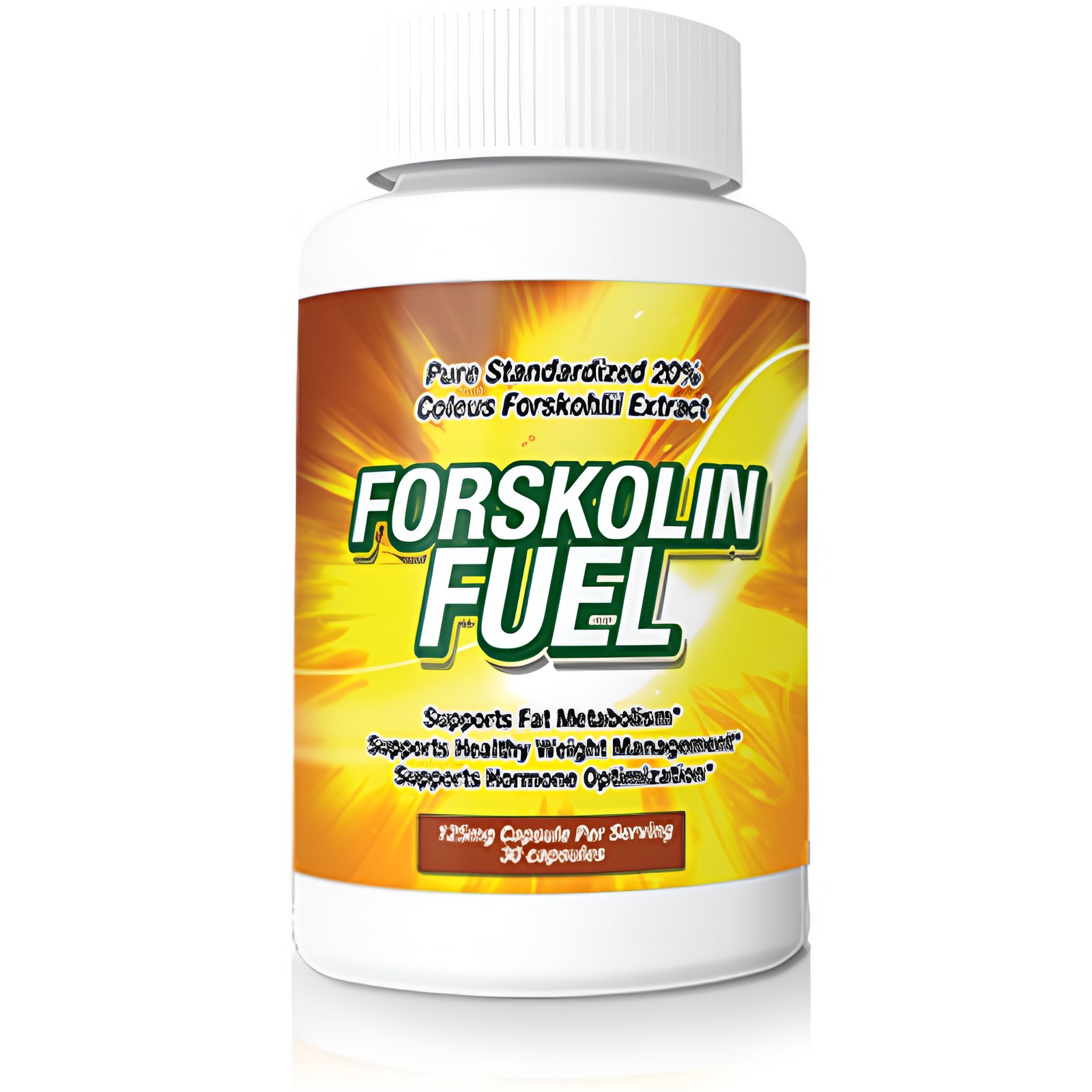
Forskolin Fuel Coleus Forskohlii Extract Dietary Supplement - 1 Bottle
Buy Now — opens in a new tab
African Mango Plus Herbal Supplement - 60 Capsules
Buy Now — opens in a new tab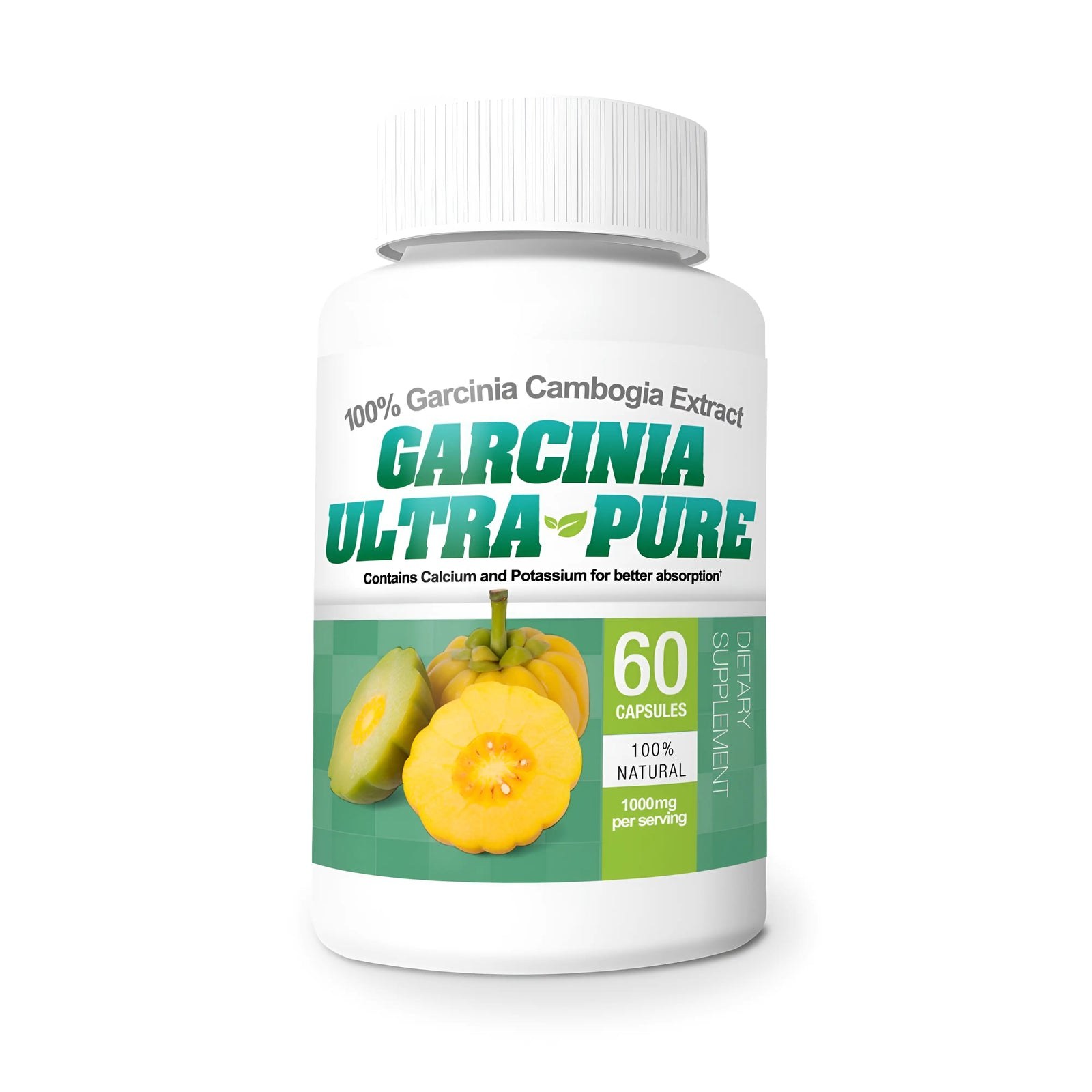
Garcinia Ultra Pure Garcinia Cambogia Extract Supplement - 60 Capsules
Buy Now — opens in a new tabResistance-Band Rows vs Dumbbell Rows
Compare resistance-band and dumbbell rows by matched reps, tempo, setup, load control, technique, progression, and recovery.
Resistance-band rows and dumbbell rows can both support an active weight-management routine, but equipment, terrain, technique, intensity, and recovery determine how each session feels. This guide compares three sets of ten controlled repetitions with matched tempo, rest, and personally appropriate resistance. It does not claim that one option burns a guaranteed number of calories or produces faster weight loss. Energy use varies with body size, pace, fitness, environment, medication, and many other factors.
For Resistance-band rows, inspect the band, anchor it securely or stand on it as directed, and pull without snapping the band. Begin with an easy warm-up, keep the movement controlled, and choose a range that allows steady breathing and good form. Record the actual work time, rest, pace or resistance, and how the session feels rather than relying only on a device estimate.
For dumbbell rows, use a stable supported stance, choose manageable dumbbells, and keep the spine controlled. Use stable equipment and enough space. Stop the set or interval when form changes, pain appears, or balance becomes uncertain. A shorter, repeatable session can be more useful than an aggressive effort that disrupts recovery.
When comparing the options in the “Resistance-Band Rows vs Dumbbell Rows” guide, keep the repetitions, effort, rest and range similar enough to make the comparison meaningful. Notice how many repetitions you can complete before you start shrugging or leaning. Change one item at a time so you can tell what affected the result.
When following the “Resistance-Band Rows vs Dumbbell Rows” guide, start around a clear, stable training area and give yourself time to stop safely. Stop for chest pain, faintness, sudden weakness, severe pain or unusual breathing difficulty. Seek urgent care for severe or persistent symptoms. Ask a clinician before progressing with a medical or injury-related exercise restriction.
Use the “Resistance-Band Rows vs Dumbbell Rows” guide to practice something you can observe: how many repetitions you can complete before you start shrugging or leaning. Routes, resistance and recovery all affect how the activity feels. Evaluate the session by your ability to move comfortably and repeat it, without expecting it to target a specific area or produce a predictable weight change.
Repeat the “Resistance-Band Rows vs Dumbbell Rows” guide at the same easy effort until you know how it feels. If you try a change, alter only one part. Note how many repetitions you can complete before you start shrugging or leaning. On a harder day, use less resistance and reduce the range where form changes.
Choose the option that fits current ability, access, enjoyment, and safe technique. Repeat the same comparison for several sessions before drawing conclusions, because one unusually energetic or tired day can distort the result.
#StrengthTraining #ResistanceBandRows #DumbbellRows #WeightManagementFitness #WellnessTips
Match repetitions, tempo, rest, comfortable range, and personal effort before comparing row variations.
6 views · Published Oct 5, 2026
Creator: How To Lose Weight Gallery
Copyright: How To Lose Weight Gallery
Image license
MaxNO Extreme Arginine Alpha-Ketoglutarate Supplement - 30 Capsules
Buy Now — opens in a new tab
Forskolin Fuel Coleus Forskohlii Extract Dietary Supplement - 1 Bottle
Buy Now — opens in a new tab
African Mango Plus Herbal Supplement - 60 Capsules
Buy Now — opens in a new tab


