


African Mango Plus Herbal Supplement - 60 Capsules
Buy Now — opens in a new tab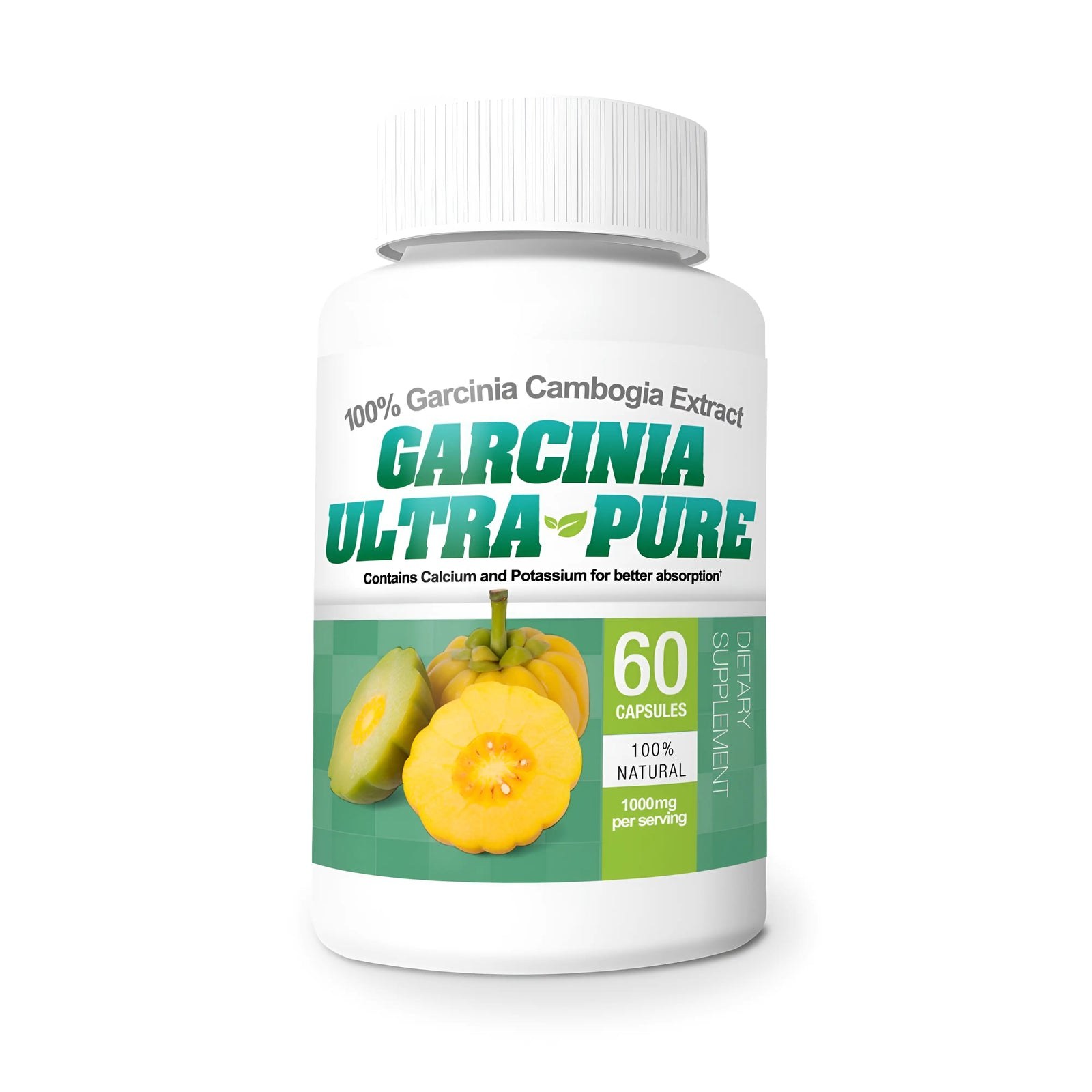
Garcinia Ultra Pure Garcinia Cambogia Extract Supplement - 60 Capsules
Buy Now — opens in a new tab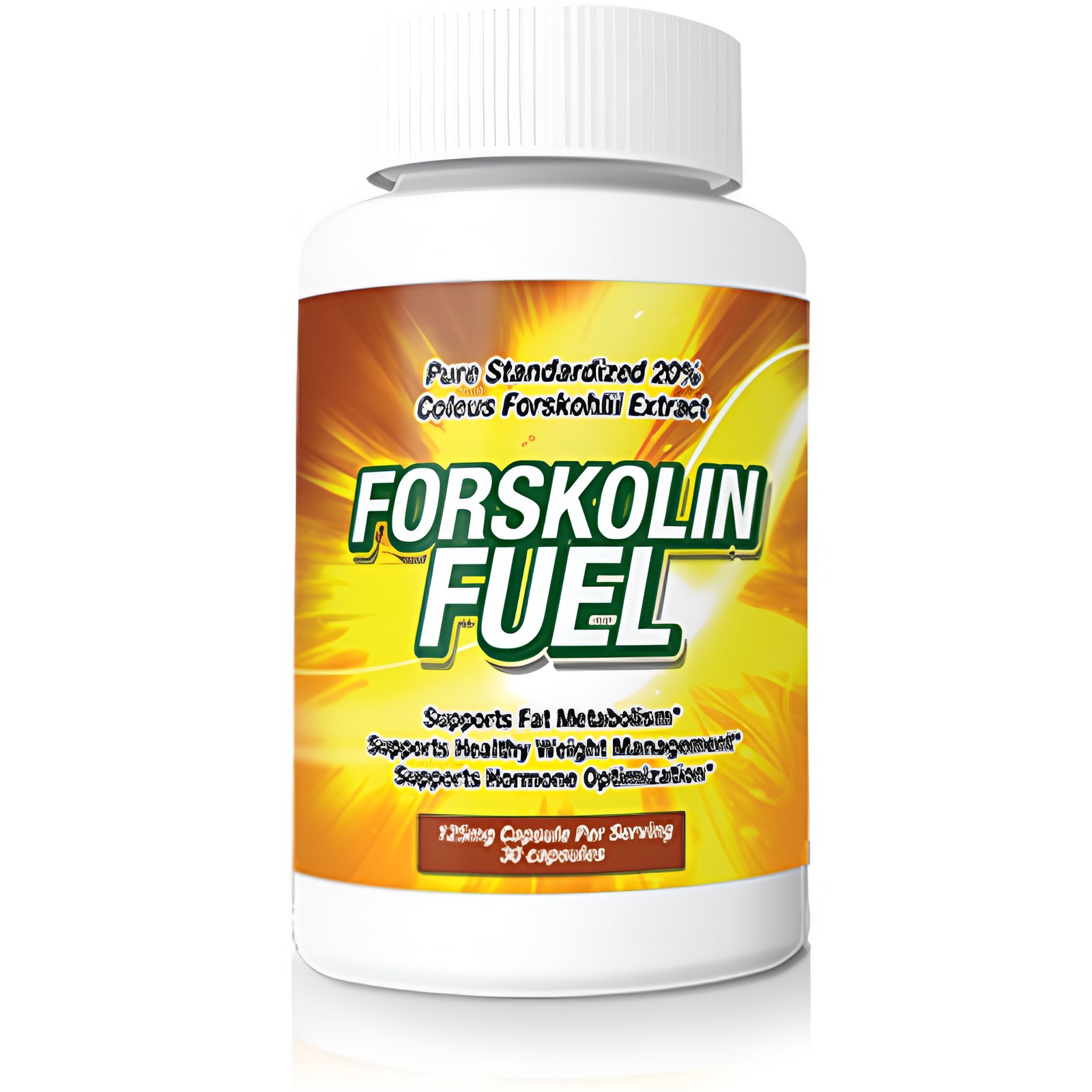
Forskolin Fuel Coleus Forskohlii Extract Dietary Supplement - 1 Bottle
Buy Now — opens in a new tab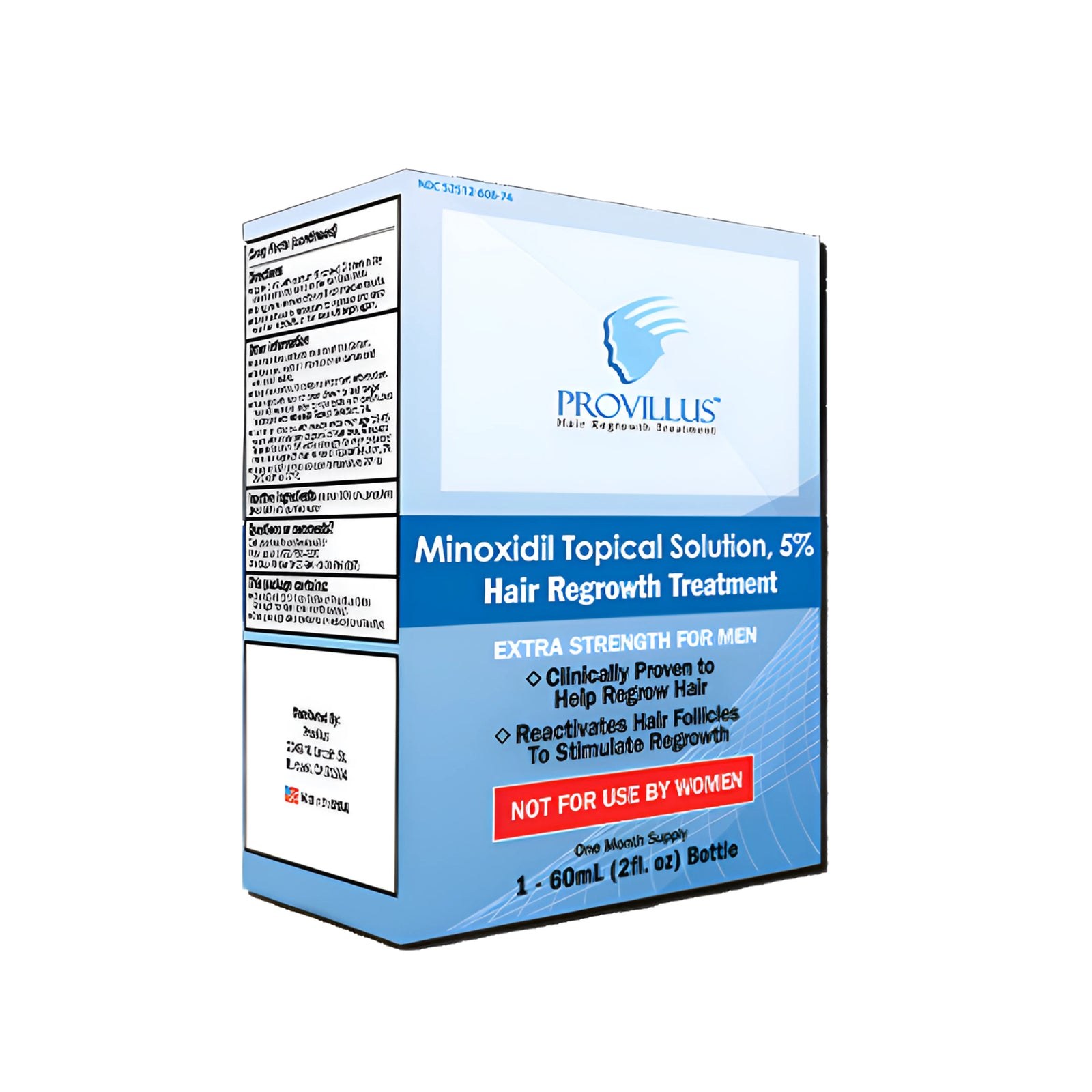
Provillus Minoxidil 5% for Men - Extra Strength Topical Hair Regrowth Treatment, 60 mL
Buy Now — opens in a new tabTurn One Dinner into Two Planned Lunches
A practical leftover relay that turns one balanced dinner into two different, ready-to-pack lunches for busy days.
One planned dinner can reduce two later decisions. This visual moves a tray of vegetables, brown rice, and protein through safe portioning into two lunches: a grain bowl and a wrap. It is a flexible workflow example, not a fixed menu or a prediction about weight change.
Before cooking, decide what should remain after dinner. Cool and refrigerate leftovers promptly in shallow containers; FoodSafety.gov says perishable food should generally be refrigerated within two hours, or one hour when temperatures exceed 90°F. Change the format and add fresh produce or a sauce when serving. Adjust ingredients and portions for appetite, allergies, budget, culture, and medical needs.
Related product: African Mango Plus is included as the closest published weight-management catalog match. This contextual placement is not evidence of effectiveness, and leftover planning does not require a supplement.
Sources:
MyPlate — Make a Plan
https://www.myplate.gov/eathealthy/budget/budget-weekly-meals
FoodSafety.gov — 4 Steps to Food Safety
https://www.foodsafety.gov/keep-food-safe/4-steps-to-food-safety
Use Turn One Dinner into Two Planned Lunches as a flexible idea that can be adapted to your household, budget, culture, and appetite. Start by checking the ingredients already available, then choose substitutions that serve a similar role. The aim is a practical meal or routine, not a perfect plate or a guaranteed weight-loss result.
Plan around a few dependable components: a protein food, vegetables or fruit, a satisfying carbohydrate when desired, and a small amount of flavorful fat or sauce. Exact portions vary from person to person. Hunger, activity, age, health, and the rest of the day all affect what feels appropriate.
Prepare ingredients before heating the pan or assembling the meal. Wash produce, keep raw animal foods separate from ready-to-eat items, and use clean boards and utensils. Cooking in a clear sequence reduces stress and helps each component reach the texture and temperature you want.
Flavor can come from herbs, spices, citrus, vinegar, garlic, ginger, yogurt-based sauces, or a measured amount of a favorite condiment. Taste before adding more salt. If an ingredient is expensive or unavailable, replace it with a familiar local option instead of abandoning the whole idea.
Make the recipe easier to repeat by noting which steps can happen ahead of time. Cooked grains, washed vegetables, sauces, or portioned ingredients may shorten a busy-day meal. Follow local food-safety guidance, refrigerate perishable food promptly, and discard anything with an uncertain storage history.
Serve the food slowly enough to notice taste and comfort. Add more food if the planned amount does not satisfy you, or save leftovers if you have had enough. A balanced eating pattern is built across many meals, so one meal does not need to meet every nutrition goal by itself.
People with allergies, diabetes, kidney disease, digestive conditions, pregnancy-related needs, or a history of disordered eating may need individualized guidance. Check labels and prevent cross-contact where relevant. Supplements and related products are optional and should not be treated as ingredients or promised solutions.
#WeightLossMealPlans #LeftoverIdeas #MealPlanning #HealthyLunch #FoodSafety
A leftover relay can turn one cooked dinner into two distinct lunches while reducing later meal decisions.
2 views · Published Sep 13, 2026
Creator: How To Lose Weight Gallery
Copyright: AI-generated original image for How To Lose Weight Gallery.
Image license
African Mango Plus Herbal Supplement - 60 Capsules
Buy Now — opens in a new tab
Garcinia Ultra Pure Garcinia Cambogia Extract Supplement - 60 Capsules
Buy Now — opens in a new tab
Forskolin Fuel Coleus Forskohlii Extract Dietary Supplement - 1 Bottle
Buy Now — opens in a new tab


