

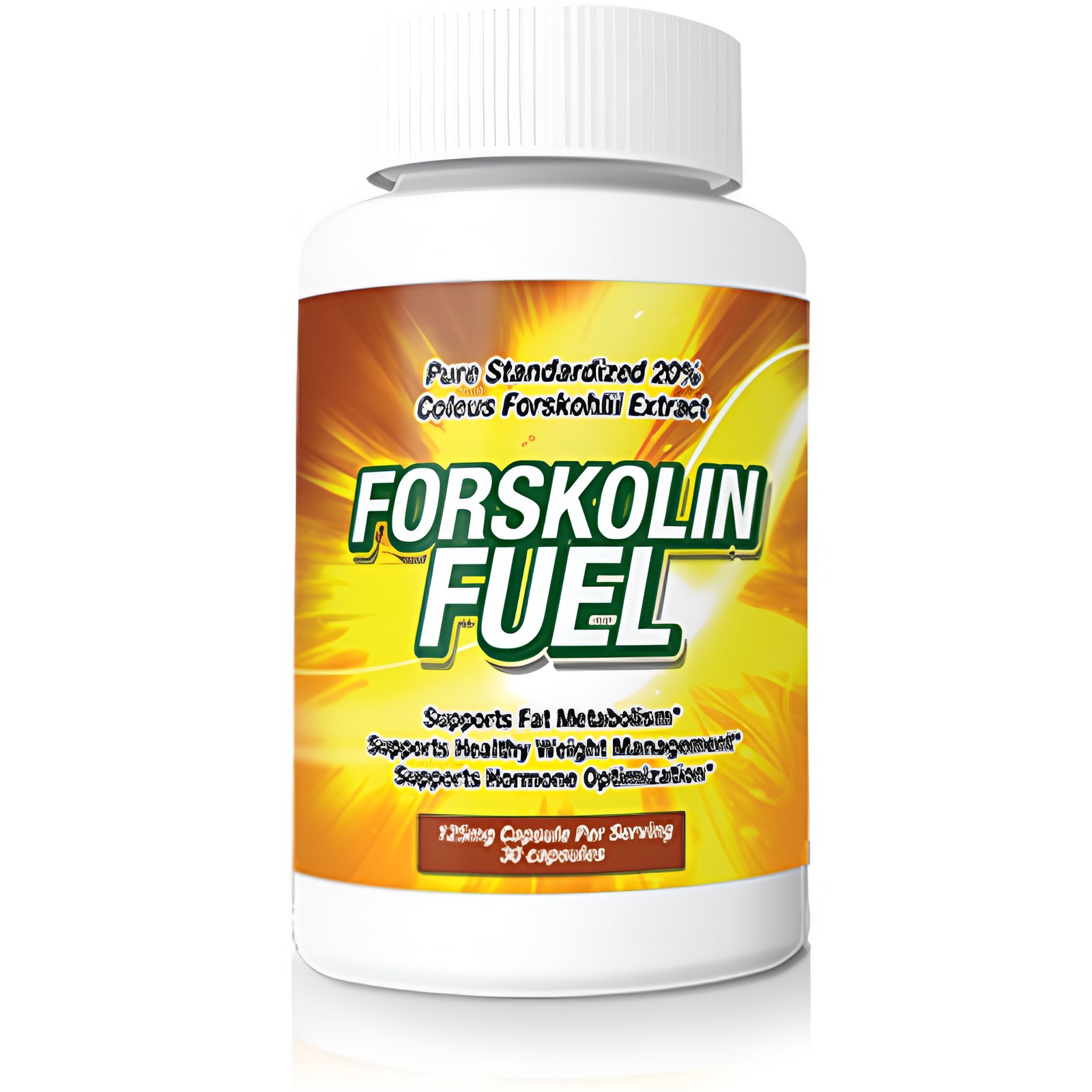
Forskolin Fuel Coleus Forskohlii Extract Dietary Supplement - 1 Bottle
Buy Now — opens in a new tab
Revitol Skin Tag Removal Topical Formula - 1 Bottle
Buy Now — opens in a new tab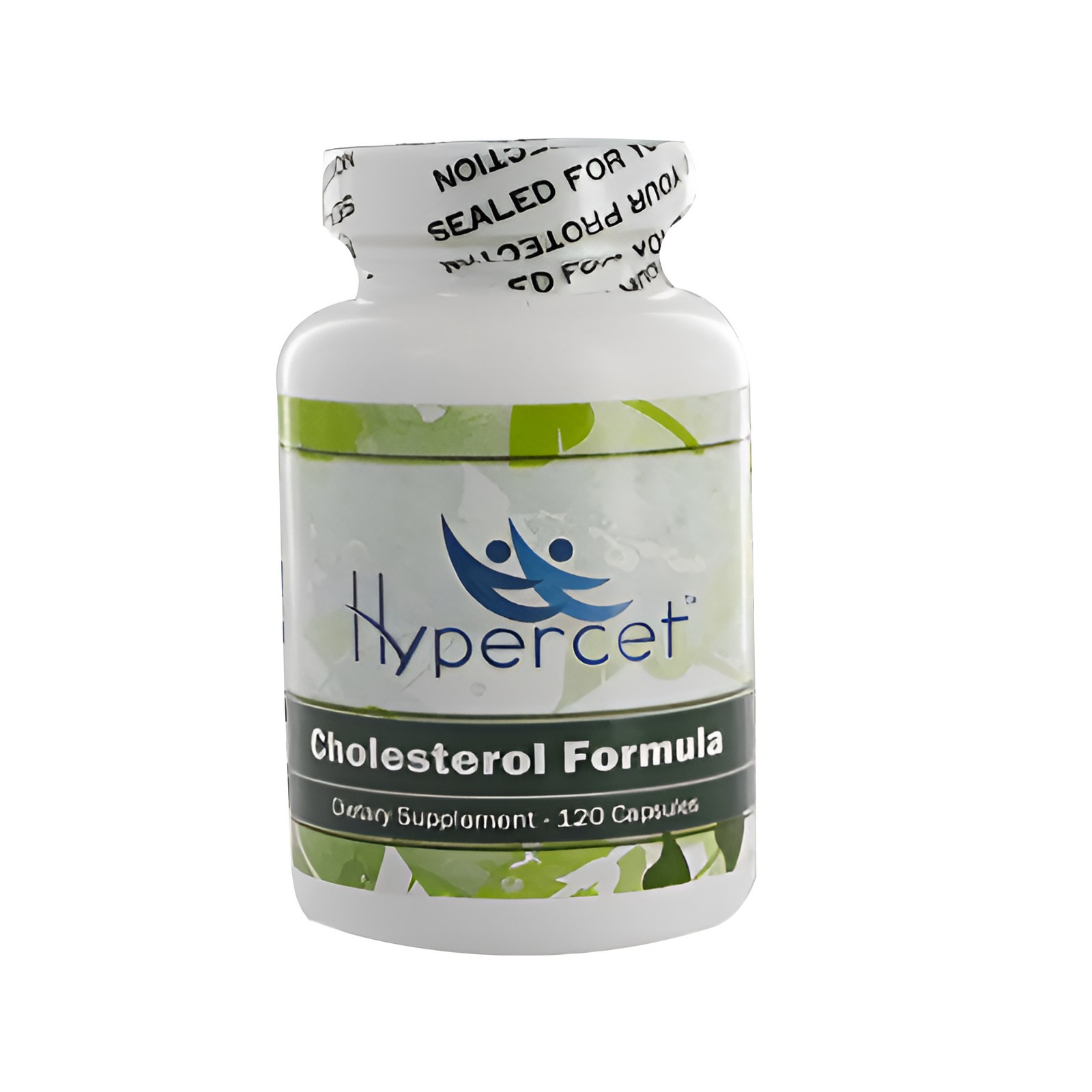
Hypercet Cholesterol Formula Dietary Supplement - 120 Capsules
Buy Now — opens in a new tab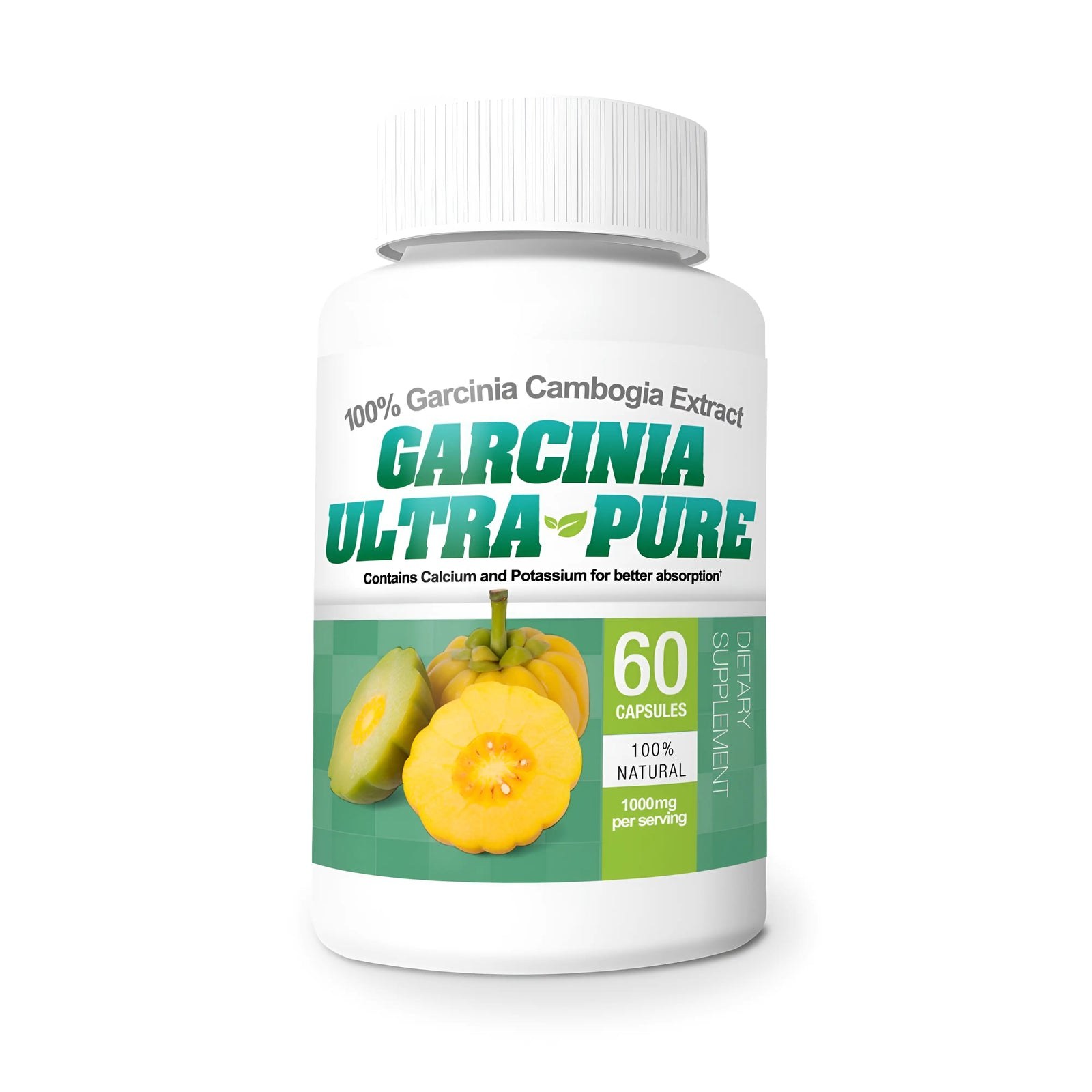
Garcinia Ultra Pure Garcinia Cambogia Extract Supplement - 60 Capsules
Buy Now — opens in a new tabTurn a Vague Goal into One Specific Weekly Action
A fabric-based visual formula for choosing one behavior, then giving it a clear day, time, place, and weekly rhythm.
A broad intention such as being healthier can be meaningful, but it does not tell you what to do on a busy Tuesday. Turn it into one observable action by choosing the behavior, a realistic day, a time cue, and a place. An example could be taking a walk after lunch on two chosen weekdays, if walking suits your circumstances.
CDC recommends focusing on only two or three specific, realistic goals at a time. NIDDK also suggests recording both what you did and how you felt, because that information can help you adjust the plan. Repeat the action for a short trial, notice what made it easier or harder, then keep, shrink, move, or replace it. Missing one day is information for the next plan, not proof that you failed.
Related product: Forskolin Fuel is included as the closest published weight-management catalog match. The link is contextual, is not evidence of benefit, and goal setting does not require a supplement.
Sources:
CDC — Steps for Losing Weight
https://www.cdc.gov/healthy-weight-growth/losing-weight/index.html
NIDDK — Changing Your Habits for Better Health
https://www.niddk.nih.gov/health-information/diet-nutrition/changing-habits-better-health
Treat Turn a Vague Goal into One Specific Weekly Action as a practical framework that can be adjusted to your circumstances. Choose one or two actions that feel realistic this week, define when they will happen, and keep the first version small enough to repeat. Progress does not require perfection or a dramatic overnight change.
Use specific observations instead of judging the whole day as good or bad. Note sleep, hunger, energy, movement, meals, stress, and schedule changes only when the information helps you make a useful decision. Body weight naturally fluctuates, so a single measurement cannot show a complete trend.
Build the routine around your real environment. Prepare an easy meal option, keep water available, place walking shoes where you can see them, or set a reminder for a short planning break. Reducing friction can make a chosen habit easier to repeat when motivation is low.
Review the plan once a week. Keep what worked, simplify what felt difficult, and replace steps that did not fit. A missed day is information, not failure, and there is no need to compensate with extreme restriction or exhausting exercise. Resume with the next reasonable opportunity.
Weight management is influenced by health, medicines, sleep, stress, food access, activity, and many other factors. No single habit, supplement, or product guarantees a result. Focus on routines that also support daily well-being and can be maintained without fear or punishment.
People who are pregnant, under eighteen, managing a medical condition, taking medicine that affects appetite or blood glucose, or living with an eating disorder should seek individualized professional guidance. New or concerning symptoms deserve qualified medical attention.
Choose a way to measure progress that matches the goal, such as meals prepared, walks completed, bedtime consistency, or how a routine fits the week. Celebrate useful follow-through and adjust expectations during illness, travel, caregiving, or unusually demanding periods.
#WeightLossMotivation #GoalSetting #WeeklyHabits #HealthyRoutine #WellnessTips
A specific weekly action gives a broad intention a behavior, cue, place, and repeatable rhythm.
0 views · Published Sep 13, 2026
Creator: How To Lose Weight Gallery
Copyright: AI-generated original image for How To Lose Weight Gallery.
Image license
Forskolin Fuel Coleus Forskohlii Extract Dietary Supplement - 1 Bottle
Buy Now — opens in a new tab
Revitol Skin Tag Removal Topical Formula - 1 Bottle
Buy Now — opens in a new tab
Hypercet Cholesterol Formula Dietary Supplement - 120 Capsules
Buy Now — opens in a new tab


