

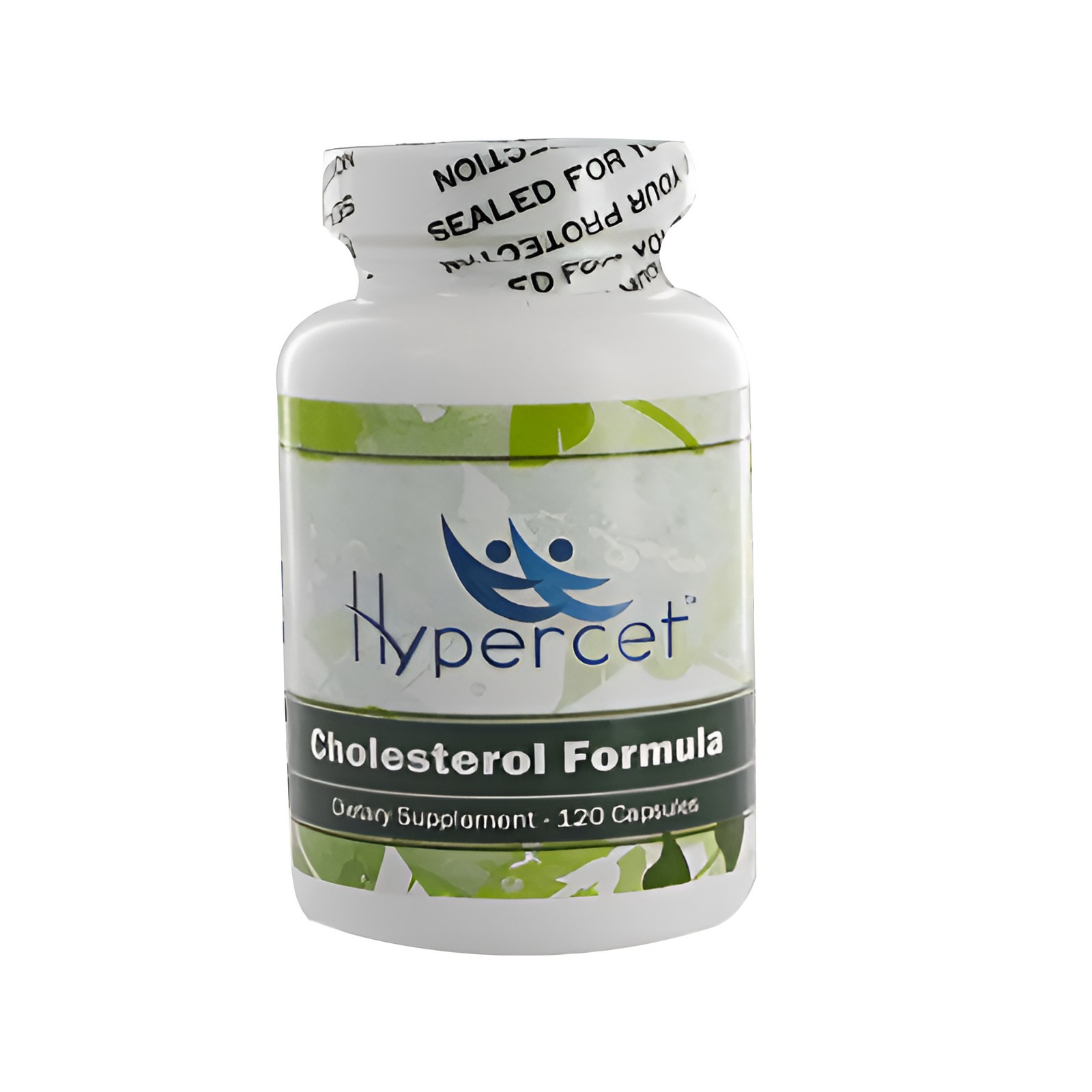
Hypercet Cholesterol Formula Dietary Supplement - 120 Capsules
Buy Now — opens in a new tab
FloTrol Bladder & Urinary Health Support Dietary Supplement - 1 Bottle
Buy Now — opens in a new tab
Prostacet Prostate Health Dietary Supplement - 60 Capsules
Buy Now — opens in a new tab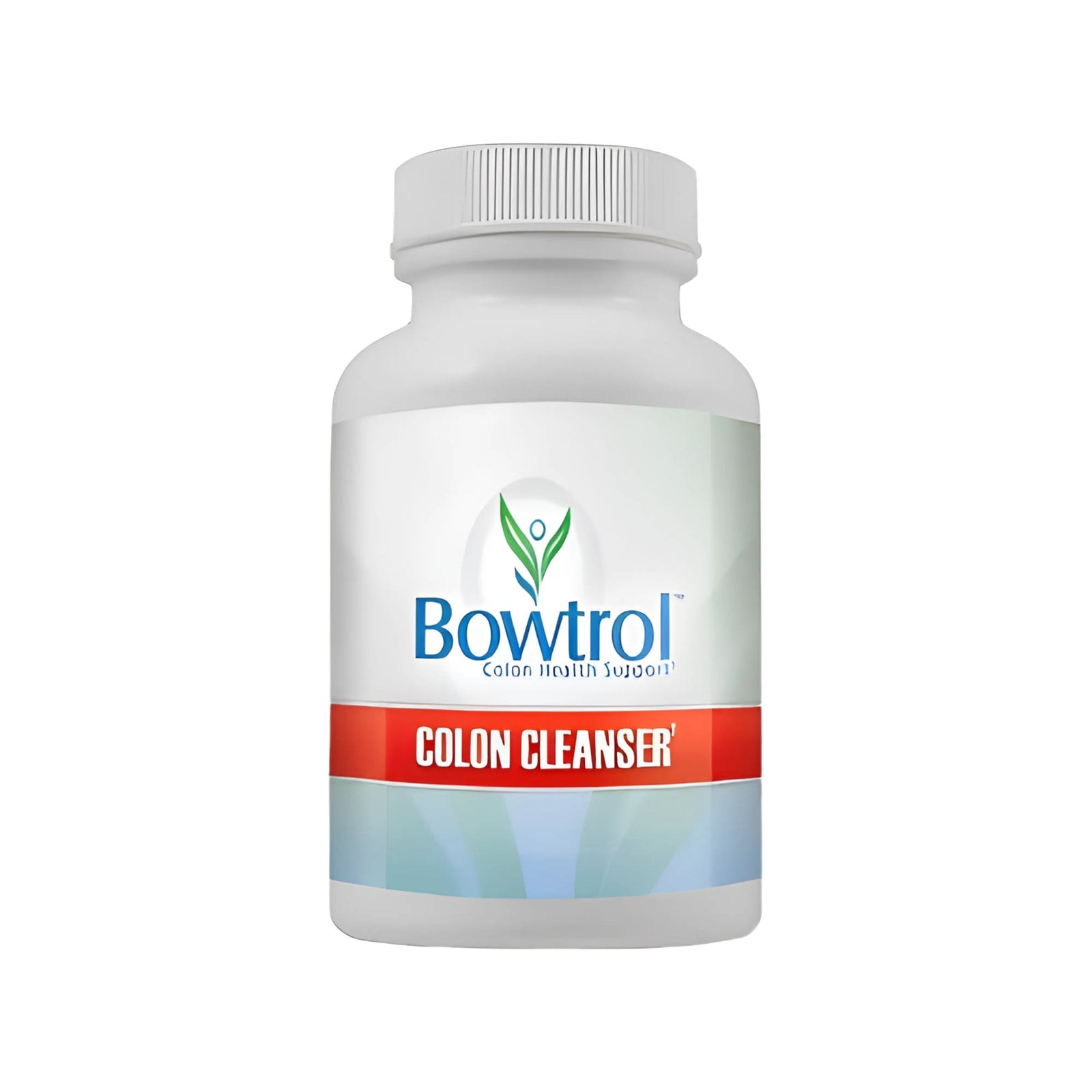
Bowtrol Colon Cleanser Digestive Health Supplement - 1 Bottle
Buy Now — opens in a new tabWhen your weight changes but your cholesterol result still needs attention
Rather than bringing only two weights, write a short timeline. For example: “I started bringing lunch from home in March, filled a new prescription in April and had the repeat draw in June.” Include changes you could and could not sustain.
Published by How To Lose Weight Gallery · Request a correction
When your weight changes but your cholesterol result still needs attention
The bathroom scale and the laboratory measure different things. A favorable change on the scale can be meaningful to you even if a lipid value rises or stays above the goal your clinician set. Before your appointment, lay your reports in date order. Note the date of each draw, your usual medicines at that time and any change in treatment between tests.
Rather than bringing only two weights, write a short timeline. For example: “I started bringing lunch from home in March, filled a new prescription in April and had the repeat draw in June.” Include changes you could and could not sustain. Your clinician can consider the sequence without having to infer a cause. Inherited factors, certain conditions and medicines can all influence cholesterol. NHLBI describes causes and risk factors.
Ask which lipid value is driving the recommendation, what information from your family history would help and what other options are available if it remains elevated. If weight-focused advice has made it hard to talk about other risks, say so. You can ask to review the numbers and medical history directly.
Put the result and the goal on separate lines
Try drawing three columns on a single sheet. In the first, write what you hoped would change. In the second, write what the laboratory measured. In the third, leave room for your clinician’s interpretation. An entry in the first column might be “more energy walking home.” Another might be “lower LDL.” Only the second belongs on the LDL row of your laboratory results. This is a way to keep a real improvement in everyday life visible without confusing it with a blood measurement.
Now imagine two outcomes. In one, your clothes fit differently and your LDL is similar to its previous value. In the other, your weight is steady and the LDL result is lower. Neither set of observations, by itself, explains what caused the lab finding. Ask whether the change in LDL is large enough to alter the plan and whether your current treatment is intended to address a long-term risk that the scale cannot measure. Bring the prescription container if you are unsure of its name or strength.
If you do not want to weigh yourself at home, you can still maintain the laboratory timeline. Dates of appointments, planned changes you could make and obstacles you encountered give the care team a usable record. Decide together which outcomes are worth monitoring between visits.
Before leaving, record who will order the next test and how you will hear the result. That gives you a follow-up you can act on regardless of what the scale does.
Further reading on this topic
Questions for Your Clinician for Weight Loss Journey; an original educational graphic with no patient data, medical thresholds, or treatment claims.
1 views · Published Oct 12, 2026
Creator: How To Lose Weight Gallery
Copyright: How To Lose Weight Gallery
Image license
Hypercet Cholesterol Formula Dietary Supplement - 120 Capsules
Buy Now — opens in a new tab
FloTrol Bladder & Urinary Health Support Dietary Supplement - 1 Bottle
Buy Now — opens in a new tab
Prostacet Prostate Health Dietary Supplement - 60 Capsules
Buy Now — opens in a new tab


