

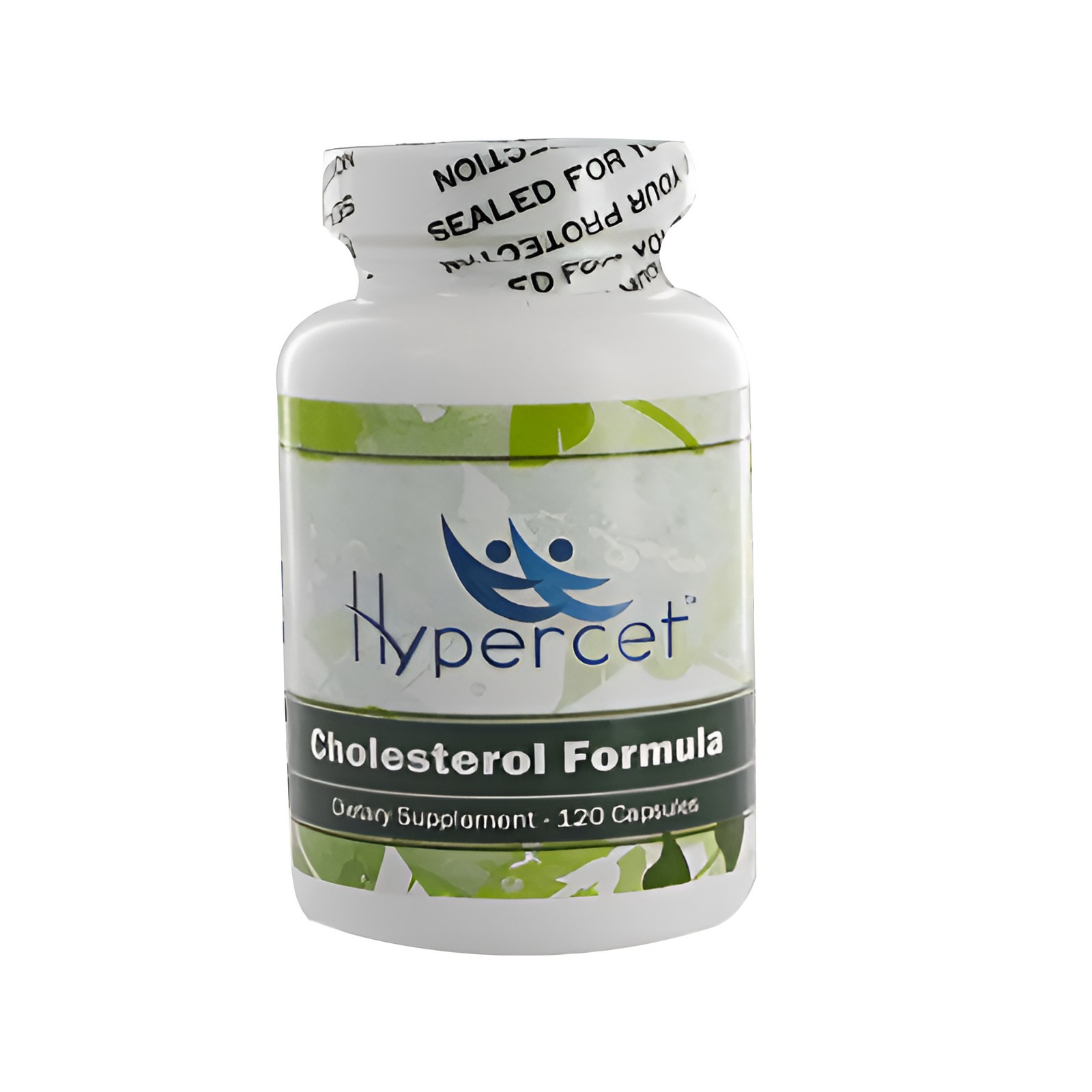
Hypercet Cholesterol Formula Dietary Supplement - 120 Capsules
Buy Now — opens in a new tab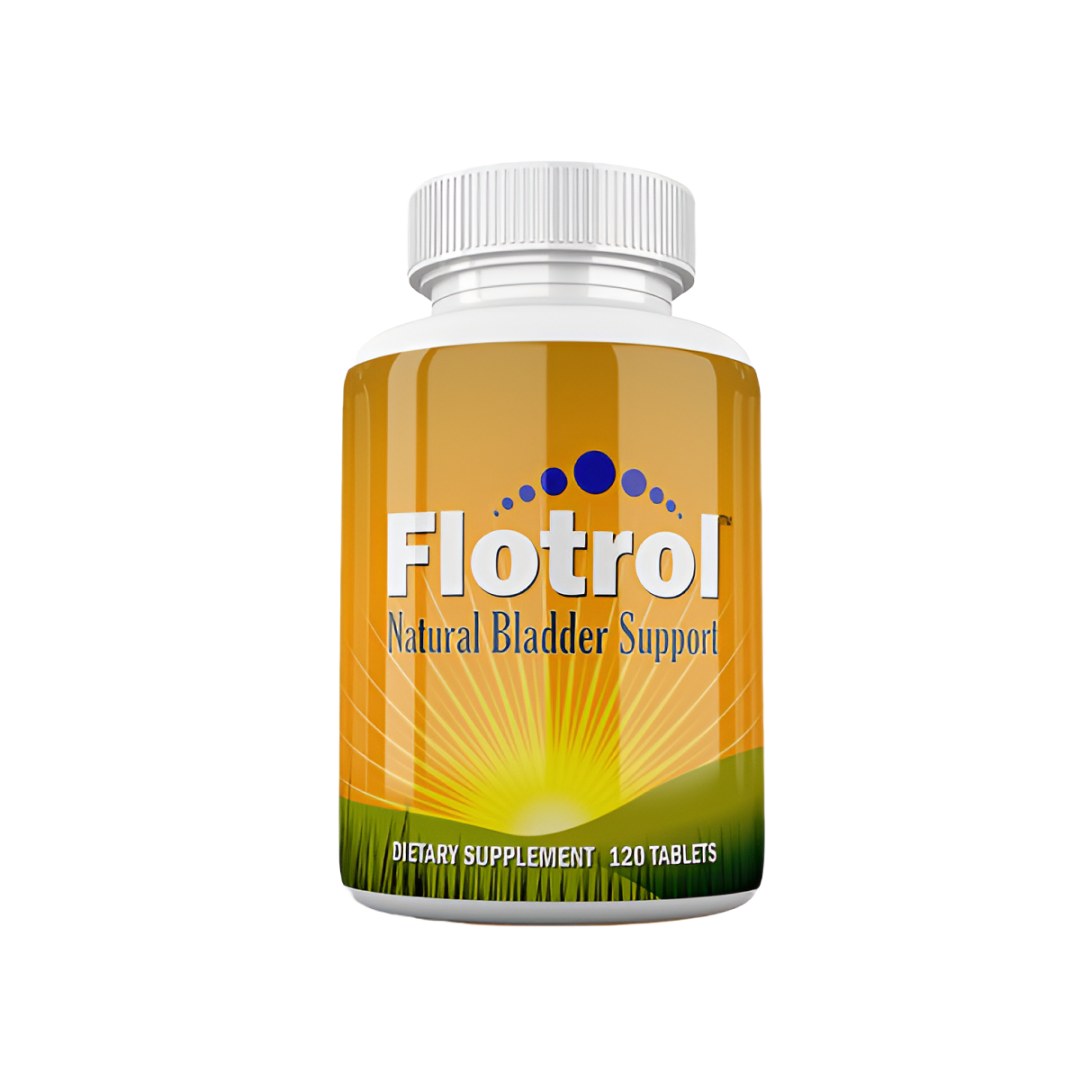
FloTrol Bladder & Urinary Health Support Dietary Supplement - 1 Bottle
Buy Now — opens in a new tab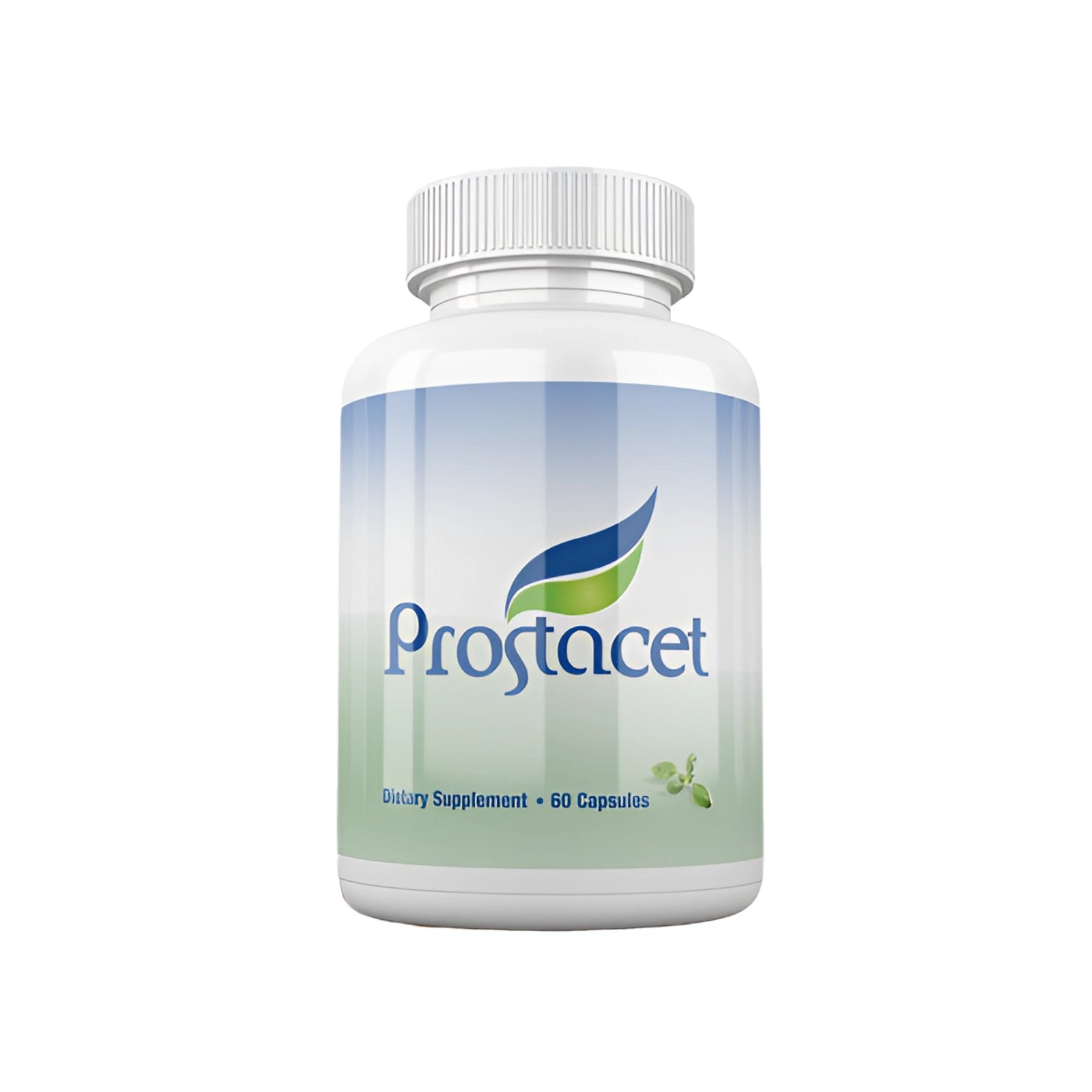
Prostacet Prostate Health Dietary Supplement - 60 Capsules
Buy Now — opens in a new tab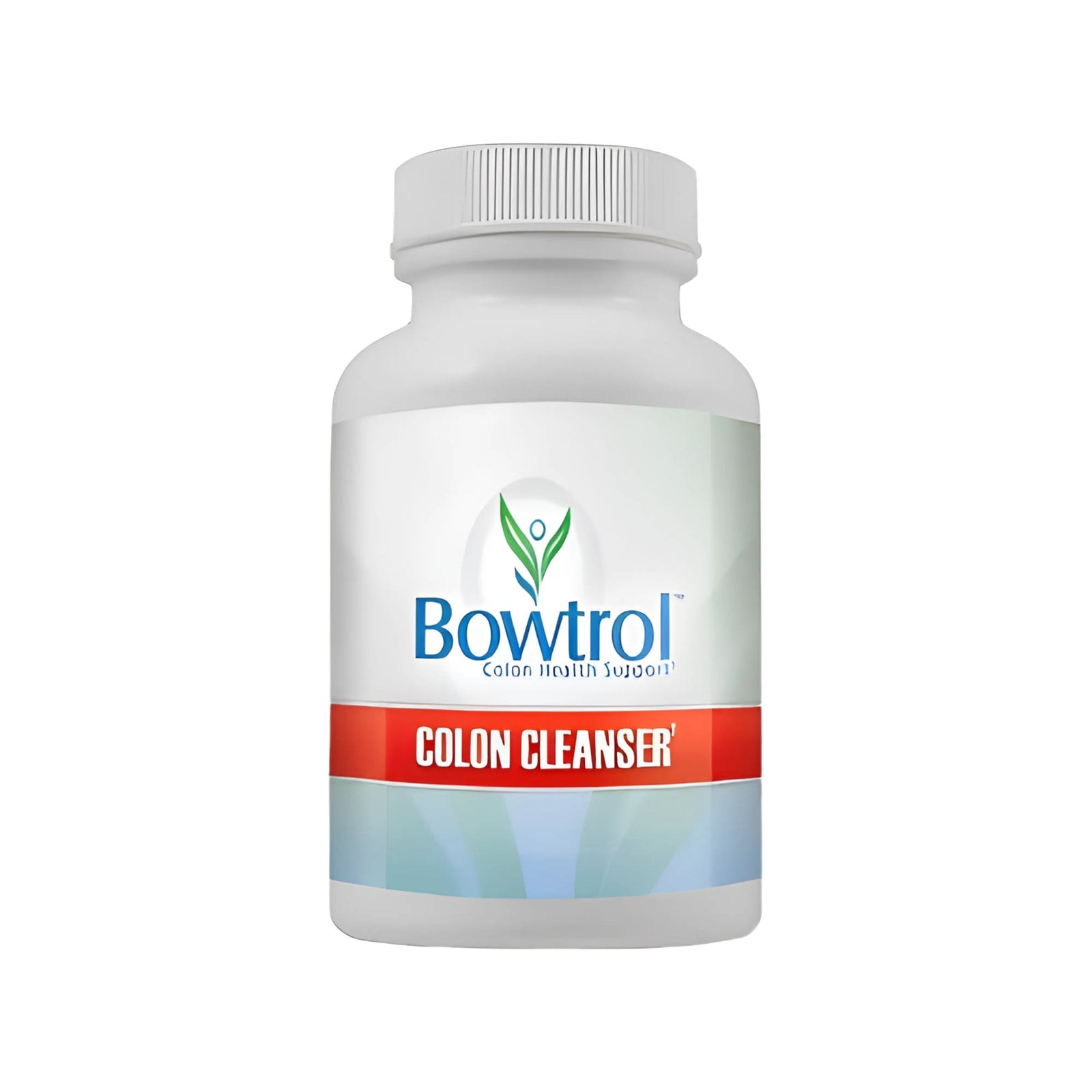
Bowtrol Colon Cleanser Digestive Health Supplement - 1 Bottle
Buy Now — opens in a new tabWhy a lower-calorie pasta dish can keep its saturated fat
A recipe can lose calories while keeping almost all of its saturated fat. Imagine making a creamy pasta dish lighter by shrinking the portion of pasta but leaving the same amount of butter, sausage and cream in each bowl.
Published by How To Lose Weight Gallery · Request a correction
How to read LDL and HDL when choosing a lighter recipe
A recipe can lose calories while keeping almost all of its saturated fat. Imagine making a creamy pasta dish lighter by shrinking the portion of pasta but leaving the same amount of butter, sausage and cream in each bowl. The calorie count changes. That edit alone tells you little about how well the dish fits advice to reduce saturated fat when LDL cholesterol is a concern.
LDL cholesterol is the cholesterol carried in low-density lipoproteins. Higher LDL over time can contribute to deposits in the artery wall. HDL carries some cholesterol back to the liver. A reassuring HDL value alongside an elevated LDL still leaves the LDL worth discussing. Neither result is a score assigned to a single dinner. American Heart Association’s guide to cholesterol levels
Rework the part of the recipe that matters
Consider a skillet pasta for four. Keep the pasta shape you like. Brown mushrooms in a little olive oil, soften garlic in the pan and add crushed tomatoes. Stir in rinsed white beans. Their soft centers help thicken the sauce if you crush a few against the pan. Use the starchy cooking water a spoonful at a time to make the sauce coat the noodles. If the flavor seems flat, try lemon zest, fresh basil or black pepper before adding anything else.
Set the old and new ingredient lists side by side. Which supplied most of the saturated fat in the first dish? Which ingredient now supplies body or savory flavor? How many servings did the pot actually make? Comparing the same number of servings is more informative than comparing the calories in an arbitrary scoop. Where available, use the nutrition labels on the sausage, cream and other packaged ingredients. American Heart Association label-reading guide
If your family misses part of the old dish, adjust deliberately. A little grated cheese at the table gives each person a choice. Mixing whole-grain and regular pasta lets you try the texture without committing the whole pantry. Changing an everyday favorite usually matters more to your routine than perfecting a recipe you cook once a year.
If the recipe website lists nutrition per serving, look for the yield. A pan said to serve six might be divided into four at your table. One quarter of that pan contains one and a half of the listed servings. Count any extras you regularly add at the table too. That little calculation can explain why two versions with similar-looking nutrition boxes produce quite different meals on your plates.
When you review your lab report, ask whether a change in LDL would affect your care plan. Bring the full panel and any treatment history. A recipe can demonstrate what you changed at home, while the clinician puts your measured response into its broader context.
Further reading on this topic
LDL and HDL Context Guide for Weight Loss Recipes; an original educational graphic with no patient data, medical thresholds, or treatment claims.
4 views · Published Oct 12, 2026
Creator: How To Lose Weight Gallery
Copyright: How To Lose Weight Gallery
Image license
Hypercet Cholesterol Formula Dietary Supplement - 120 Capsules
Buy Now — opens in a new tab
FloTrol Bladder & Urinary Health Support Dietary Supplement - 1 Bottle
Buy Now — opens in a new tab
Prostacet Prostate Health Dietary Supplement - 60 Capsules
Buy Now — opens in a new tab


