

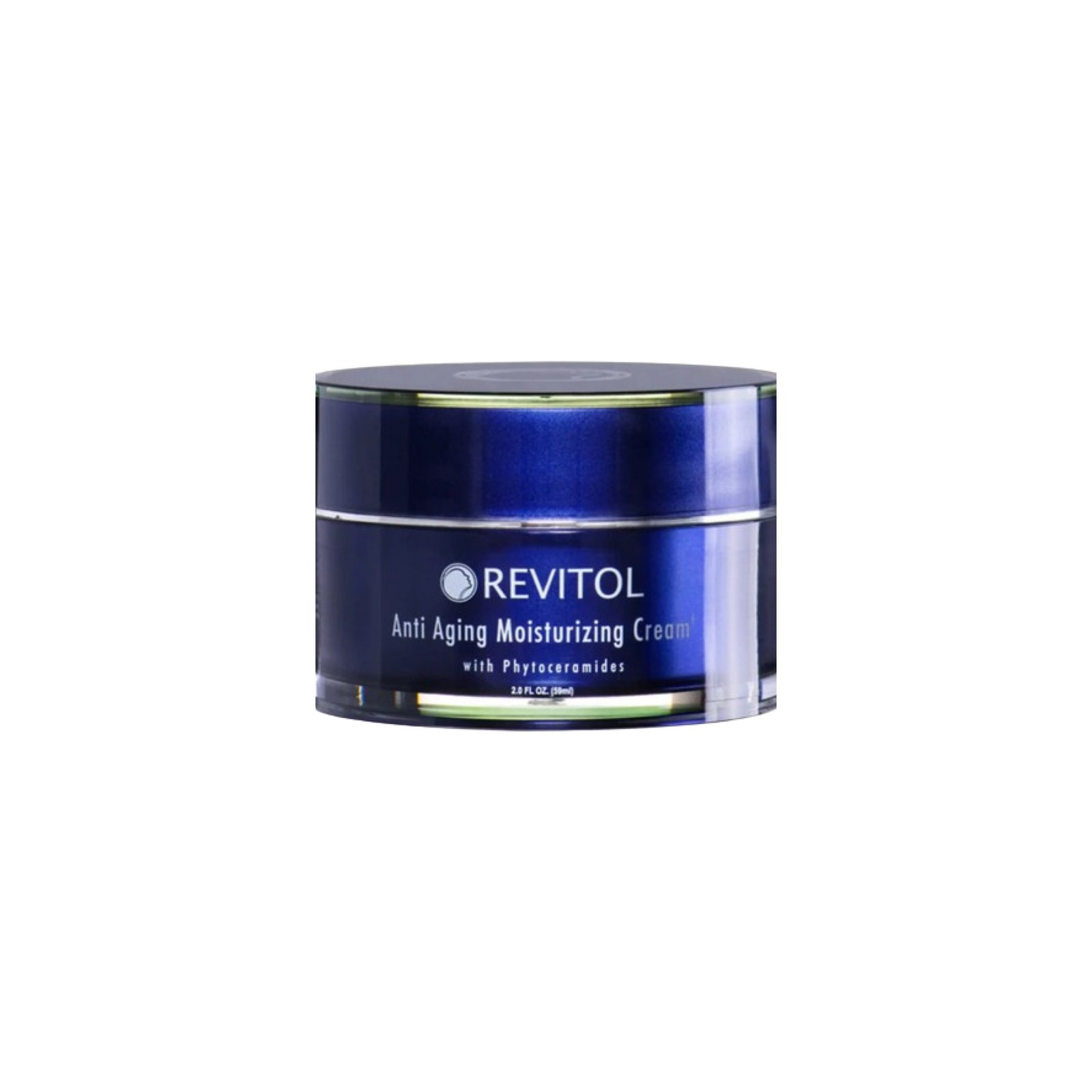
Revitol Anti-Aging Moisturizing Cream with Phytoceramides - 59 mL Jar
Buy Now — opens in a new tab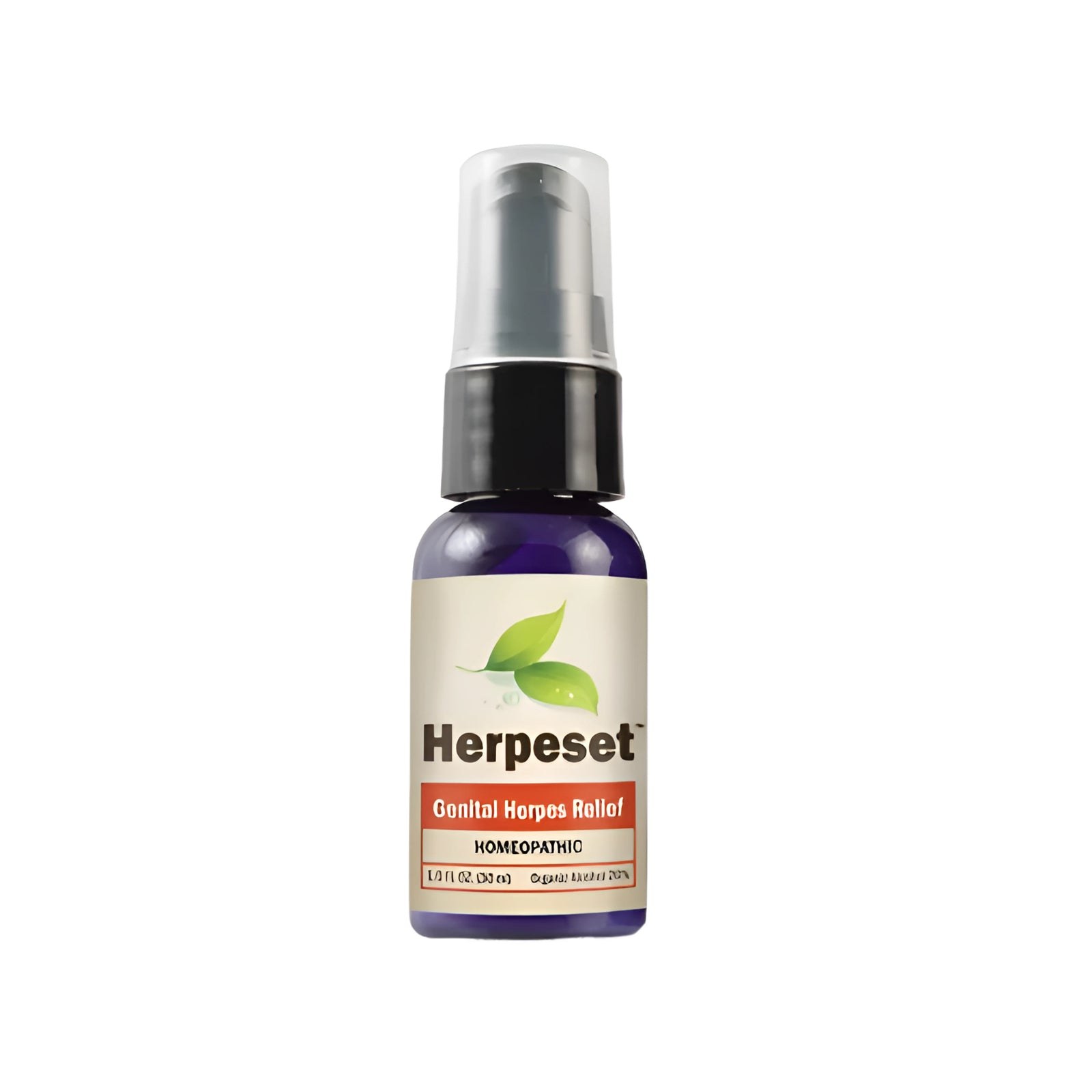
Herpeset Homeopathic Herpes & Cold Sore Care Spray - 30 mL Bottle
Buy Now — opens in a new tab
Bowtrol Colon Cleanser Digestive Health Supplement - 1 Bottle
Buy Now — opens in a new tab
Breast Actives Breast Care & Enhancement Program
Buy Now — opens in a new tabWeight Loss Tips: Transmission-Aware Self-Care
A cautious general HSV self-care guide for Weight Loss Tips, focused on balanced transmission awareness, practical safety, and respectful self-care education.
Transmission-Aware Self-Care for Weight Loss Tips
This is general educational health information about general HSV self-care. Self-care means comfort, hygiene, and awareness; it does not cure herpes, remove latent HSV from the body, confirm a diagnosis, or replace professional evaluation. Antiviral medicines are commonly used in medical management, but this guide does not select a medicine, provide a dose or schedule, advise switching or stopping treatment, or replace a clinician or pharmacist.
How the idea fits Weight Loss Tips
The board topic provides the everyday setting, while the health focus remains balanced transmission awareness. The practical action is to avoid direct contact with affected areas during symptoms while remembering transmission may occur without visible sores. That can support comfort or reduce avoidable irritation and contact risk, but it cannot promise prevention, shorten every outbreak, or prove why symptoms occurred. Foods, stress, sleep, exercise, or hormonal changes should not be presented as universal causes of recurrence.
Keep the context clear
This article states general principles that can apply across oral or genital HSV, while location-specific concerns still matter. Oral symptoms may involve mouth-contact items and eating comfort; genital symptoms may involve friction, clothing, urination discomfort, sexual contact, and pregnancy questions. Do not treat the two locations as interchangeable.
A cautious self-care routine
Begin with gentle hygiene and as little unnecessary handling as possible. Keep the affected area reasonably clean, avoid picking or rubbing, and choose clothing or routines that reduce irritation for the location involved. Support ordinary hydration, balanced eating, and rest according to comfort; do not overhydrate, fast, follow a restrictive herpes diet, or use supplements as a guaranteed treatment. If medication or an ordinary pain-relief product is being considered, keep the discussion with a clinician or pharmacist who can account for pregnancy, allergies, interactions, and other health conditions. Wash hands after touching an affected area and before touching the eyes, another body site, food, or another person. Use gentle cleaning rather than repeated scrubbing.
Transmission-aware care
Avoid direct contact with active lesions and wash hands after touching the area. Keep relevant personal items personal during symptoms. These are practical risk-reduction steps, not a claim that transmission is otherwise impossible or inevitable. Never use shame-based language: HSV does not define a person's cleanliness, character, relationships, or ability to live a full life.
What to avoid
Do not use bleach, harsh disinfectants, concentrated acids, abrasive substances, burning, cutting, popping, toothpaste cures, or undiluted essential oils. Do not claim that garlic, vinegar, lysine, immune boosters, detoxes, fasting, or a particular food eradicates HSV. Do not substitute herbs, supplements, oils, or diet changes for prescribed care.
When professional care matters
Pregnancy and genital herpes concerns require prompt clinician or obstetric guidance rather than a generic online plan. People who are immunocompromised also need individualized advice for significant symptoms. Self-care should complement, not replace, antiviral treatment or other care recommended by a qualified professional.
The takeaway is practical: transmission-aware self-care can help you avoid direct contact with affected areas during symptoms while remembering transmission may occur without visible sores, while keeping expectations realistic. Use gentle measures, preserve the oral, genital, or general context, and bring questions about diagnosis, medication, pregnancy, severe symptoms, or transmission to a qualified professional.
Transmission-Aware Self-Care for Weight Loss Tips; general general HSV self-care self-care education without diagnosis, prescription, cure, or unsafe home-remedy claims.
1 views · Published Oct 12, 2026
Creator: How To Lose Weight Gallery
Copyright: How To Lose Weight Gallery
Image license
Revitol Anti-Aging Moisturizing Cream with Phytoceramides - 59 mL Jar
Buy Now — opens in a new tab
Herpeset Homeopathic Herpes & Cold Sore Care Spray - 30 mL Bottle
Buy Now — opens in a new tab
Bowtrol Colon Cleanser Digestive Health Supplement - 1 Bottle
Buy Now — opens in a new tab


