

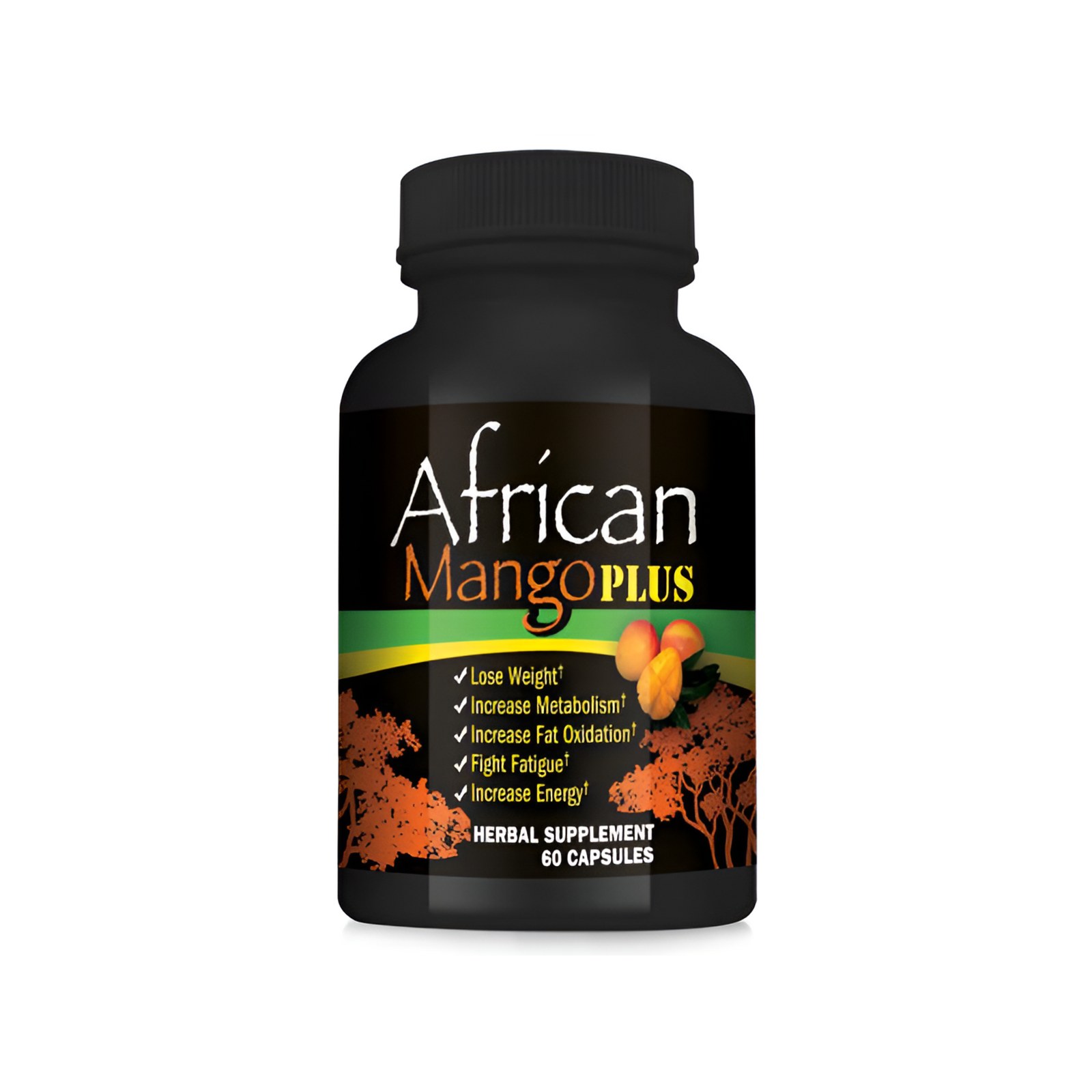
African Mango Plus Herbal Supplement - 60 Capsules
Buy Now — opens in a new tab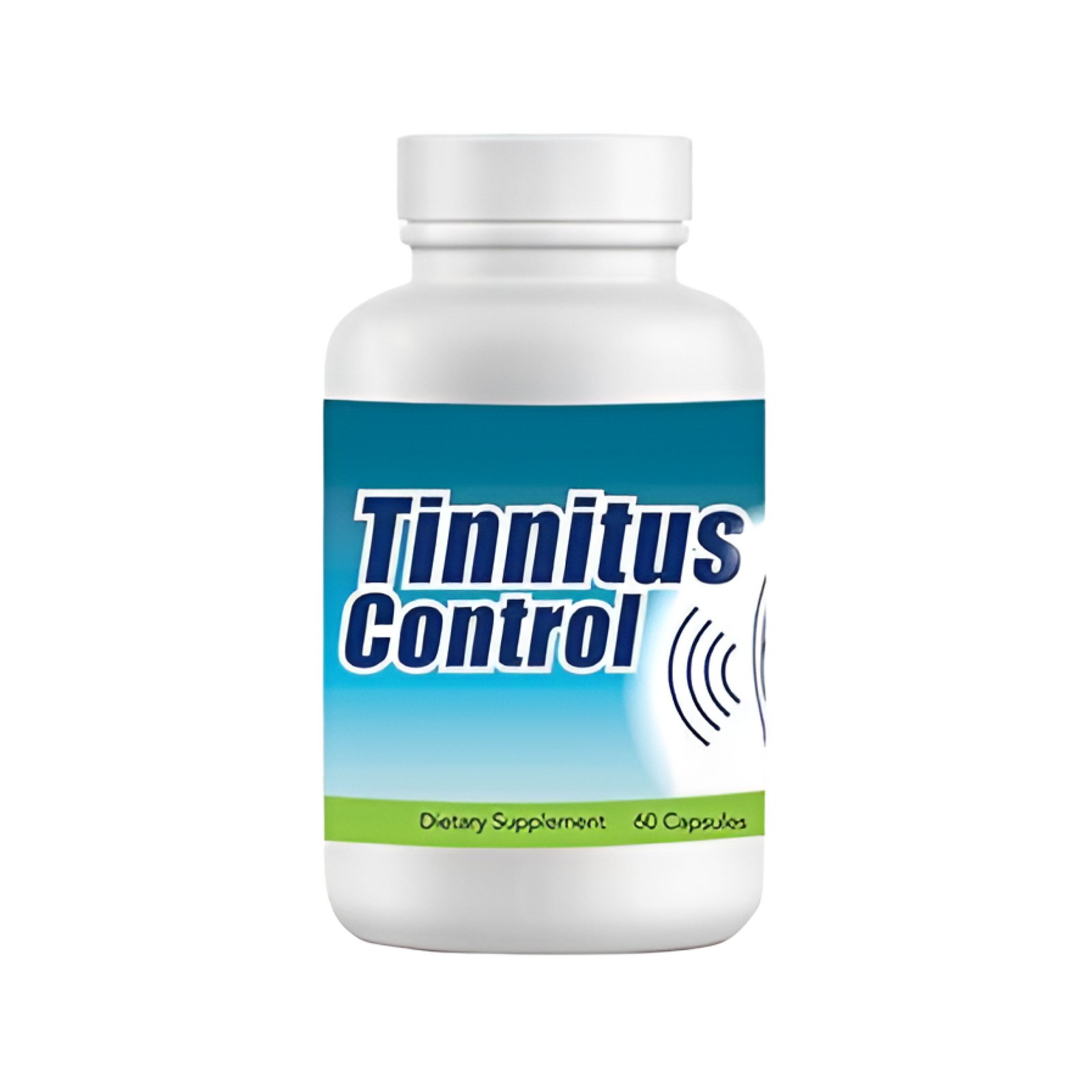
Tinnitus Control Dietary Supplement - 60 Capsules
Buy Now — opens in a new tab
Revitol Skin Tag Removal Topical Formula - 1 Bottle
Buy Now — opens in a new tab
Revitol Hair, Skin & Nails Dietary Supplement with Biotin - 60 Capsules
Buy Now — opens in a new tabBuild Lunch for the Afternoon Ahead
Include protein, produce, a grain or starch, and measured sauces, then adjust the lunch portion for afternoon hunger and activity.
Lunch can be planned for the afternoon ahead rather than copied from a fixed calorie target. A flexible structure includes a protein food, vegetables or fruit, a grain or starchy food when desired, and measured sauces or toppings. The portion can then be adjusted for hunger, activity, schedule, health needs, and the time until the next meal.
Protein options might include beans, lentils, eggs, fish, poultry, tofu, tempeh, yogurt, cottage cheese, or another preferred food. Produce can be fresh, frozen, canned, roasted, or included in soup. Grains and starchy foods might include bread, rice, pasta, potatoes, corn, couscous, or other culturally familiar choices.
Plan for the real afternoon
A physically demanding job, workout, long commute, class schedule, or delayed dinner may call for a more substantial lunch or a planned snack. A quieter afternoon or earlier meal may feel different. Hunger, energy, concentration, and comfort offer important feedback that a generic number cannot provide.
Sauces, dressings, cheese, seeds, spreads, and oils can add flavor and satisfaction. Measure frequently used additions occasionally and include the amount in the estimate. Do not remove them automatically or count them twice when already included in a packaged product or recipe.
Use Nutrition Facts serving sizes as references. Match the label to the portion actually served, and compare equal gram or milliliter amounts when evaluating products. Restaurant and homemade lunches vary, so use approximate wording rather than claiming exact precision.
Keep one backup option available for days when the planned lunch is forgotten or unavailable. A shelf-stable or safely stored meal can prevent a very long gap. Notice which lunches keep energy steady and which need a different portion or snack. Consider the complete meal. Protein, fiber, produce, carbohydrates, fats, sodium, added sugars, allergens, food safety, culture, cost, convenience, and enjoyment all matter. A lower calorie number is not the only sign of a useful lunch.
Pack and store food safely. Keep cold foods chilled, separate raw and ready-to-eat ingredients, and reheat leftovers thoroughly. If a planned lunch is repeatedly unsatisfying, adjust the structure or portion rather than responding with blame.
Supplements may interact with medicines. If tracking becomes rigid or distressing, seek qualified support.
Source context: U.S. Food and Drug Administration guidance on serving size and Nutrition Facts labels.
#HealthyLunch #BalancedLunch #CalorieAwareness #MealPlanning #HealthyEating
A flexible lunch structure designed around afternoon hunger, activity, schedule, and satisfaction.
5 views · Published Sep 25, 2026
Creator: How To Lose Weight Gallery
Copyright: How To Lose Weight Gallery
Image license
African Mango Plus Herbal Supplement - 60 Capsules
Buy Now — opens in a new tab
Tinnitus Control Dietary Supplement - 60 Capsules
Buy Now — opens in a new tab
Revitol Skin Tag Removal Topical Formula - 1 Bottle
Buy Now — opens in a new tab


