

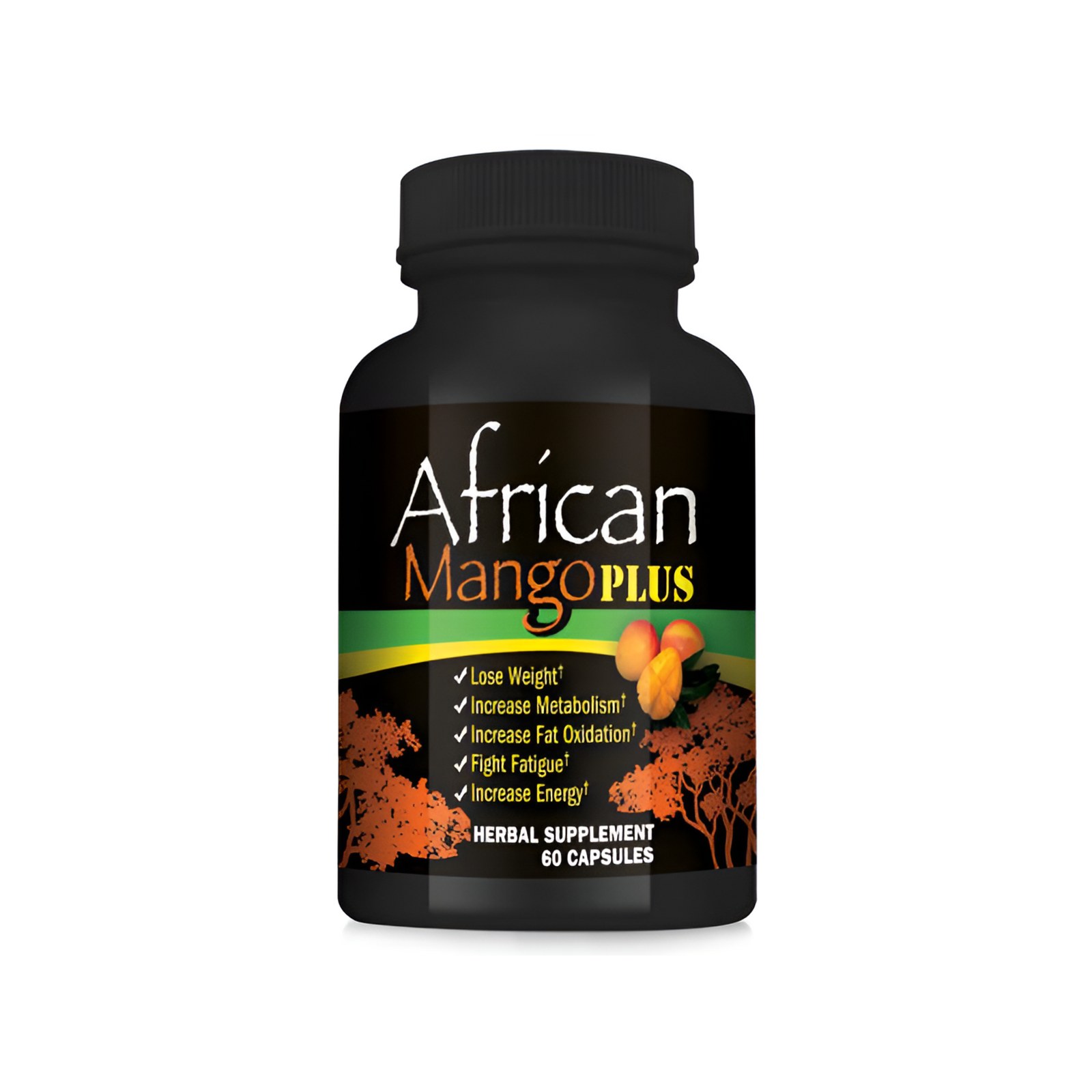
African Mango Plus Herbal Supplement - 60 Capsules
Buy Now — opens in a new tab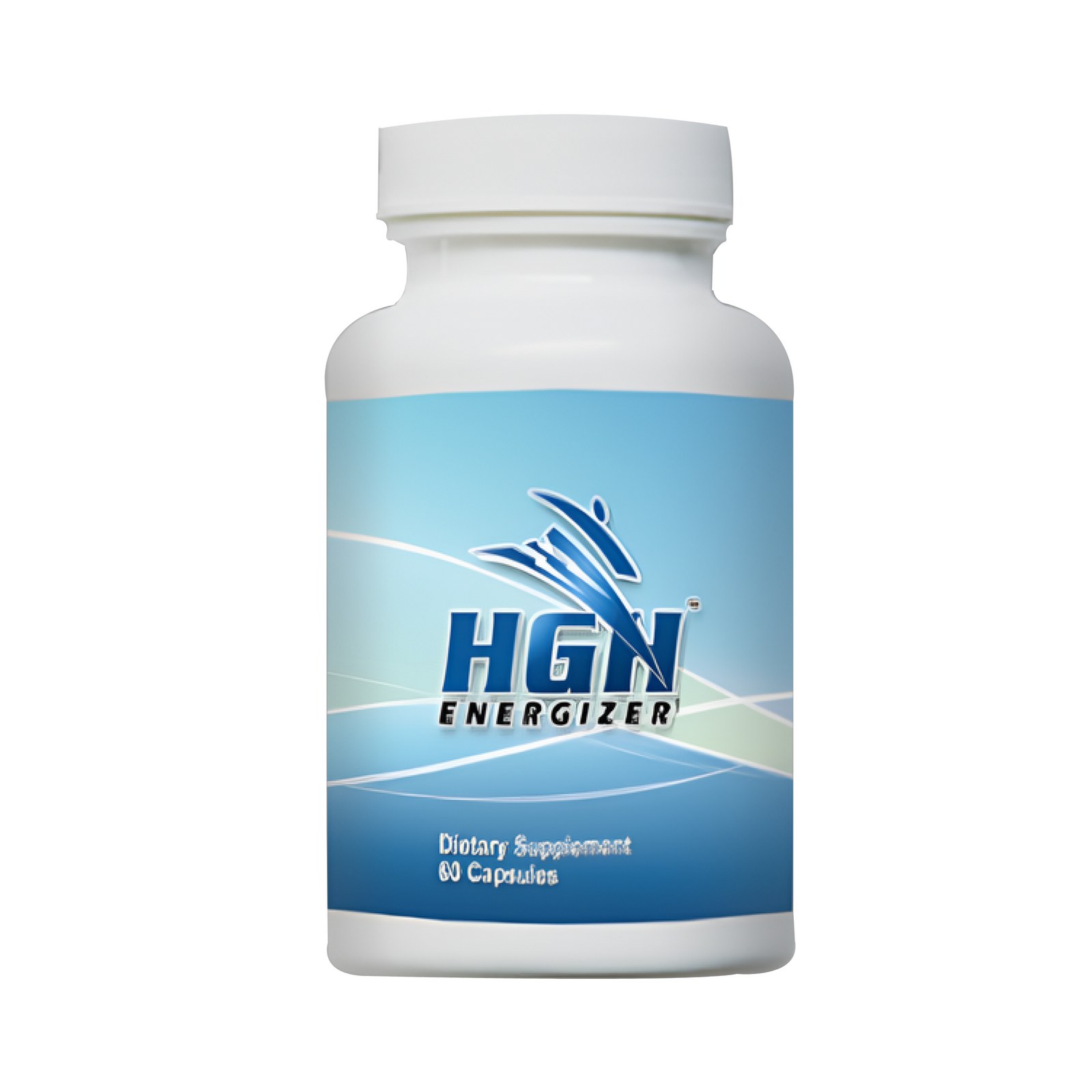
HGH Energizer Dietary Supplement - 60 Capsules
Buy Now — opens in a new tab
Venorex Topical Vein Care Cream - 118 mL Tube
Buy Now — opens in a new tab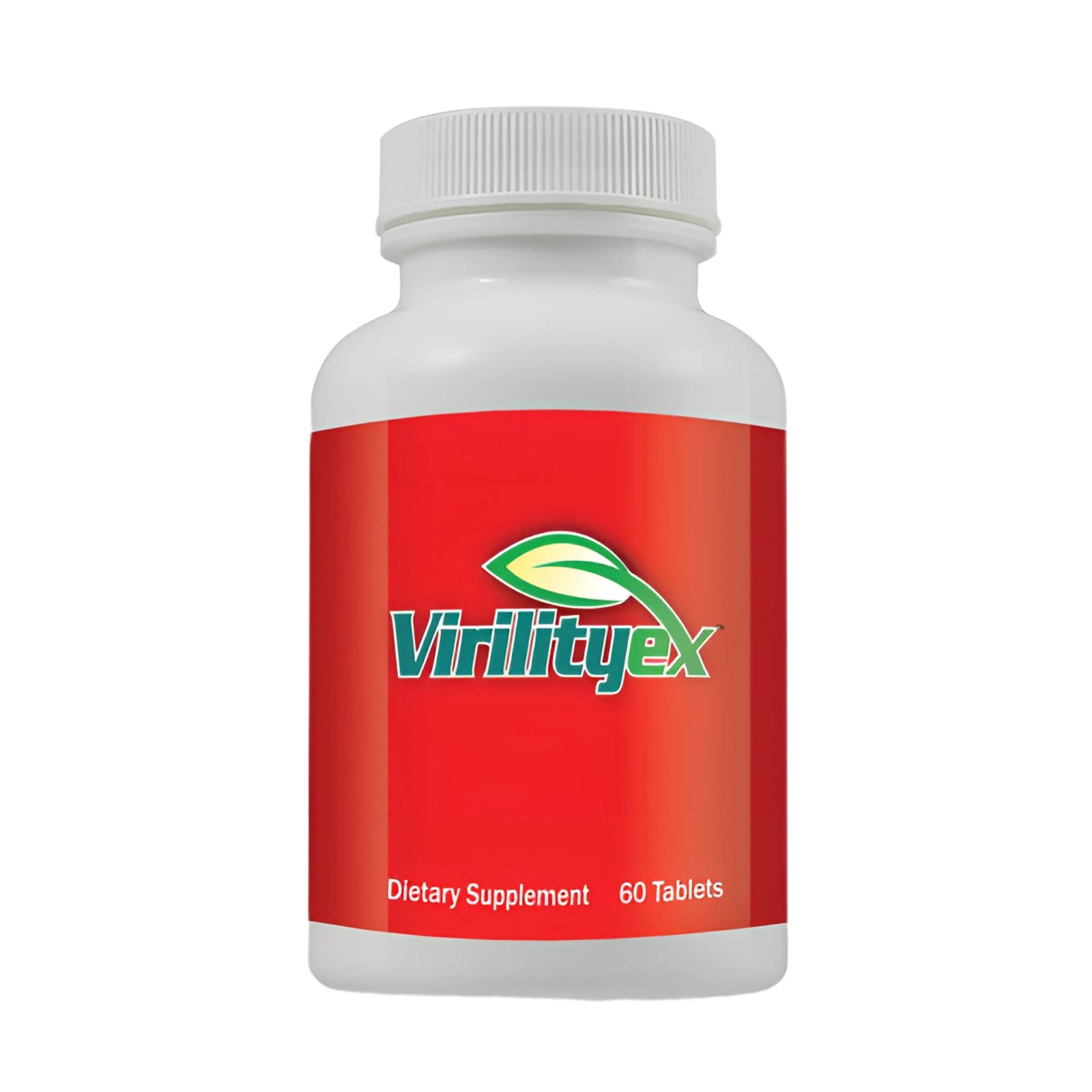
Virility EX Men's Dietary Supplement - 60 Tablets
Buy Now — opens in a new tabMatch Healthy Meals to Your Cooking Energy
Use assemble, quick-cook, and cook-ahead meal levels so healthy eating can fit low-, medium-, and higher-energy days.
Healthy eating becomes more practical when the meal plan reflects how much time and cooking energy you actually have. A three-level system—assemble, quick cook, and cook ahead—creates useful options without labeling one level as better than another. All three can include satisfying food. The goal is to reduce the gap between an idealized plan and a real day, while adapting ingredients to appetite, culture, budget, allergies, and health needs.
On a low-energy day, assemble foods that are ready or need minimal preparation. Yogurt with fruit, toast, and seeds can make a simple breakfast or light meal. A bean and cheese wrap with bagged salad, canned soup with bread, or hummus with pita and vegetables can also work. Convenience foods are tools. Read labels when sodium, allergens, or another clinical concern matters, and store perishable items safely.
For medium energy, choose a quick-cook formula. Eggs with vegetables and rice, pasta with beans and frozen spinach, or fish with microwaved potatoes and peas can come together without a long recipe. Use leftovers and frozen vegetables to shorten the process. A meal can be balanced even when each component was not made from scratch. Seasoning, sauce, and texture help make it enjoyable enough to repeat.
When you have more energy, cook something that creates future meals. Bean and vegetable soup, a tray of roasted vegetables, a pot of grain, or a batch of chicken or tofu can become flexible building blocks. Cool cooked food promptly, divide it into practical portions, refrigerate or freeze it safely, and label it with the date. Cook-ahead food should make later choices easier rather than create pressure to eat the same dish all week.
Each level can use the same broad meal check: include a protein-containing food, a carbohydrate or other energy source, fruit or vegetables, and flavor. Portions depend on hunger and circumstances. A no-cook meal may be more nourishing than a complicated recipe that never gets made, while a cooked meal may be worthwhile when the process itself feels satisfying.
Set up one option for each energy level before the week begins. Keep shelf-stable or frozen backups, identify two quick meals everyone accepts, and cook extra only when it will be used. If fatigue is persistent, sudden, or interferes with daily life, seek appropriate medical advice rather than treating food planning as the only solution.
African Mango Plus is attached only as the closest existing weight-management product in the catalog. It is optional and is not claimed to improve energy, balance meals, control appetite, or cause weight loss. Choose the level that matches today, assemble enough food, and save more ambitious cooking for a time when it genuinely fits.
#HealthyEating #EasyHealthyMeals #MealPlanning #BalancedMeals #WellnessTips
Three practical effort levels make balanced meals possible on different kinds of days.
0 views · Published Sep 15, 2026
Creator: How To Lose Weight Gallery
Copyright: How To Lose Weight Gallery
Image license
African Mango Plus Herbal Supplement - 60 Capsules
Buy Now — opens in a new tab
HGH Energizer Dietary Supplement - 60 Capsules
Buy Now — opens in a new tab
Venorex Topical Vein Care Cream - 118 mL Tube
Buy Now — opens in a new tab


