

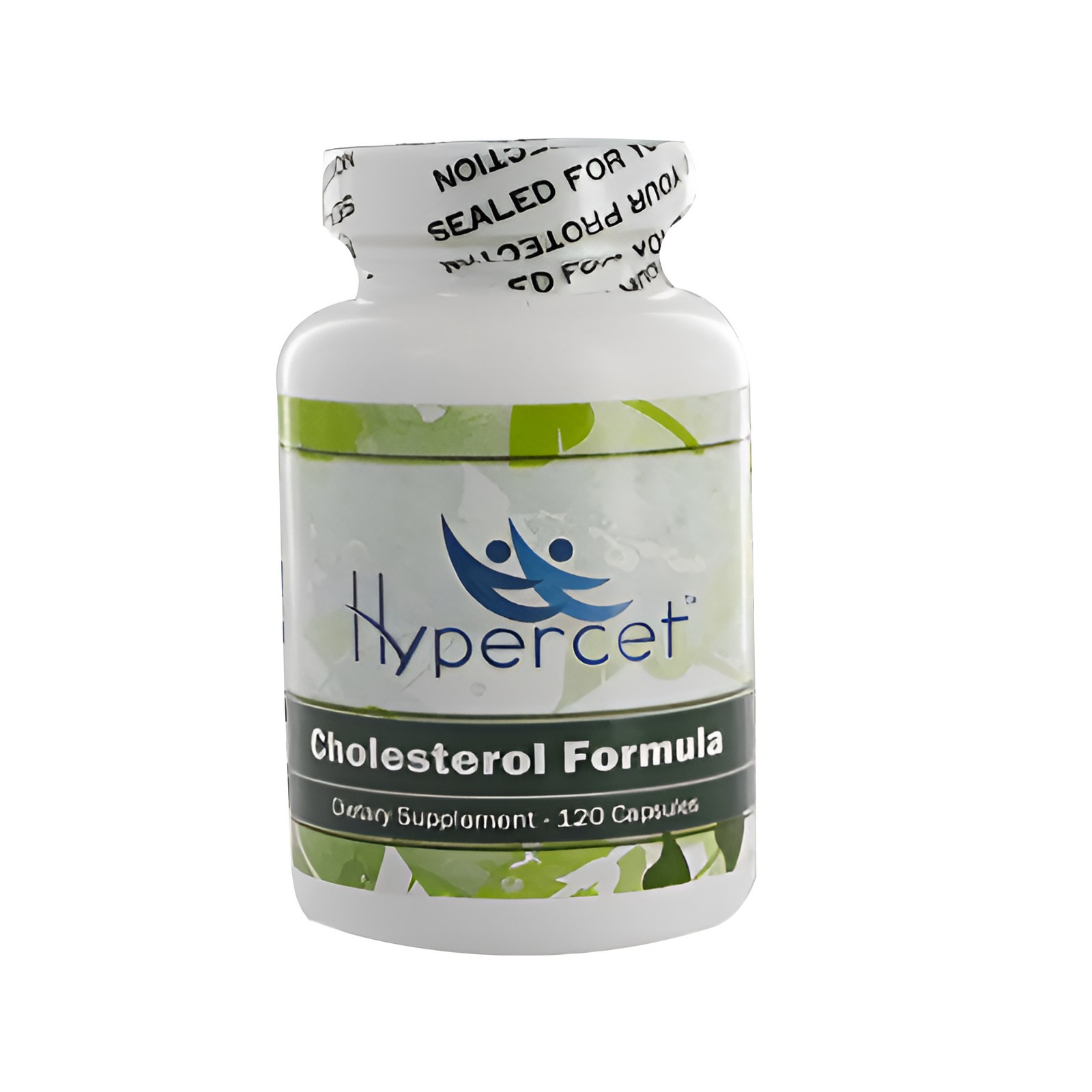
Hypercet Cholesterol Formula Dietary Supplement - 120 Capsules
Buy Now — opens in a new tab
FloTrol Bladder & Urinary Health Support Dietary Supplement - 1 Bottle
Buy Now — opens in a new tab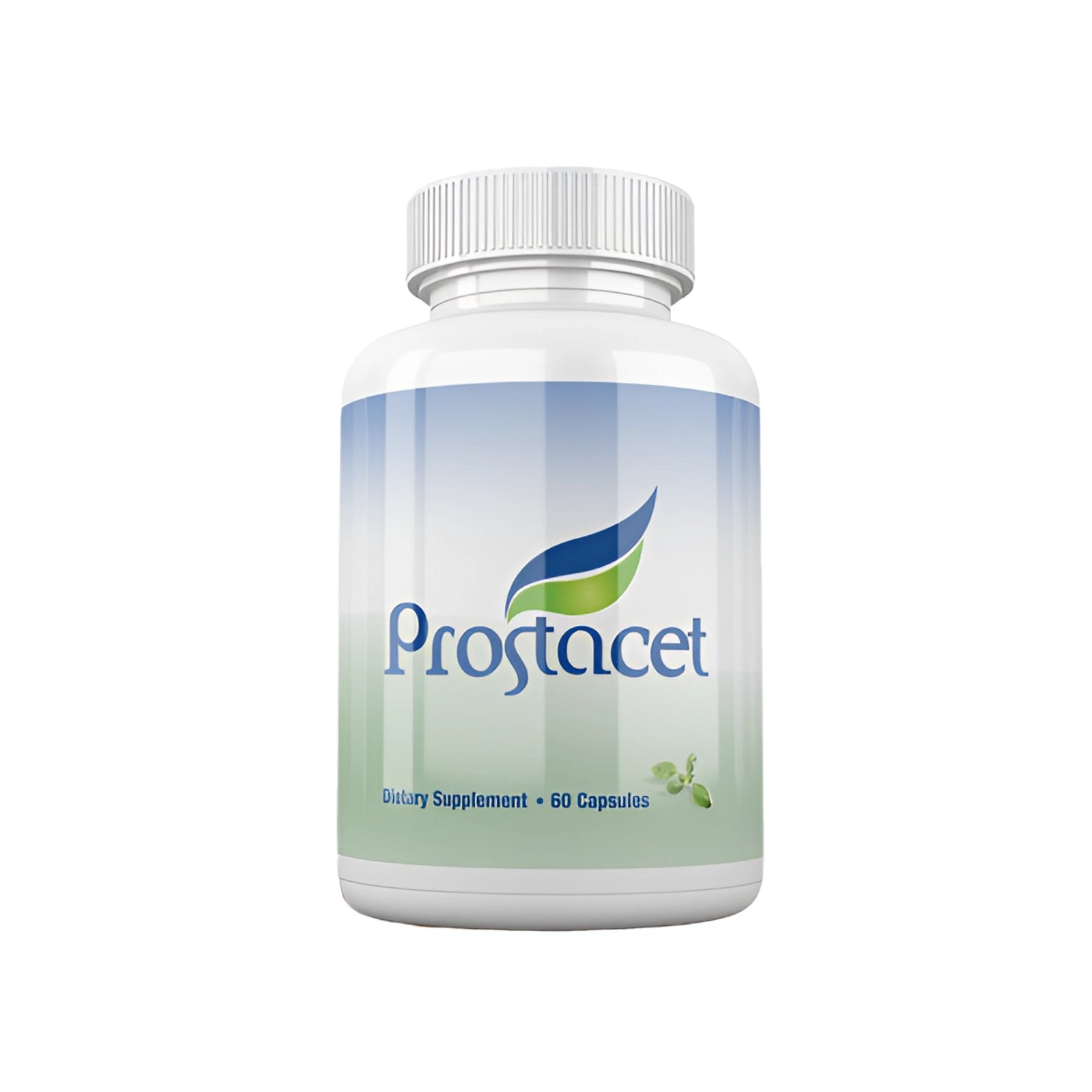
Prostacet Prostate Health Dietary Supplement - 60 Capsules
Buy Now — opens in a new tab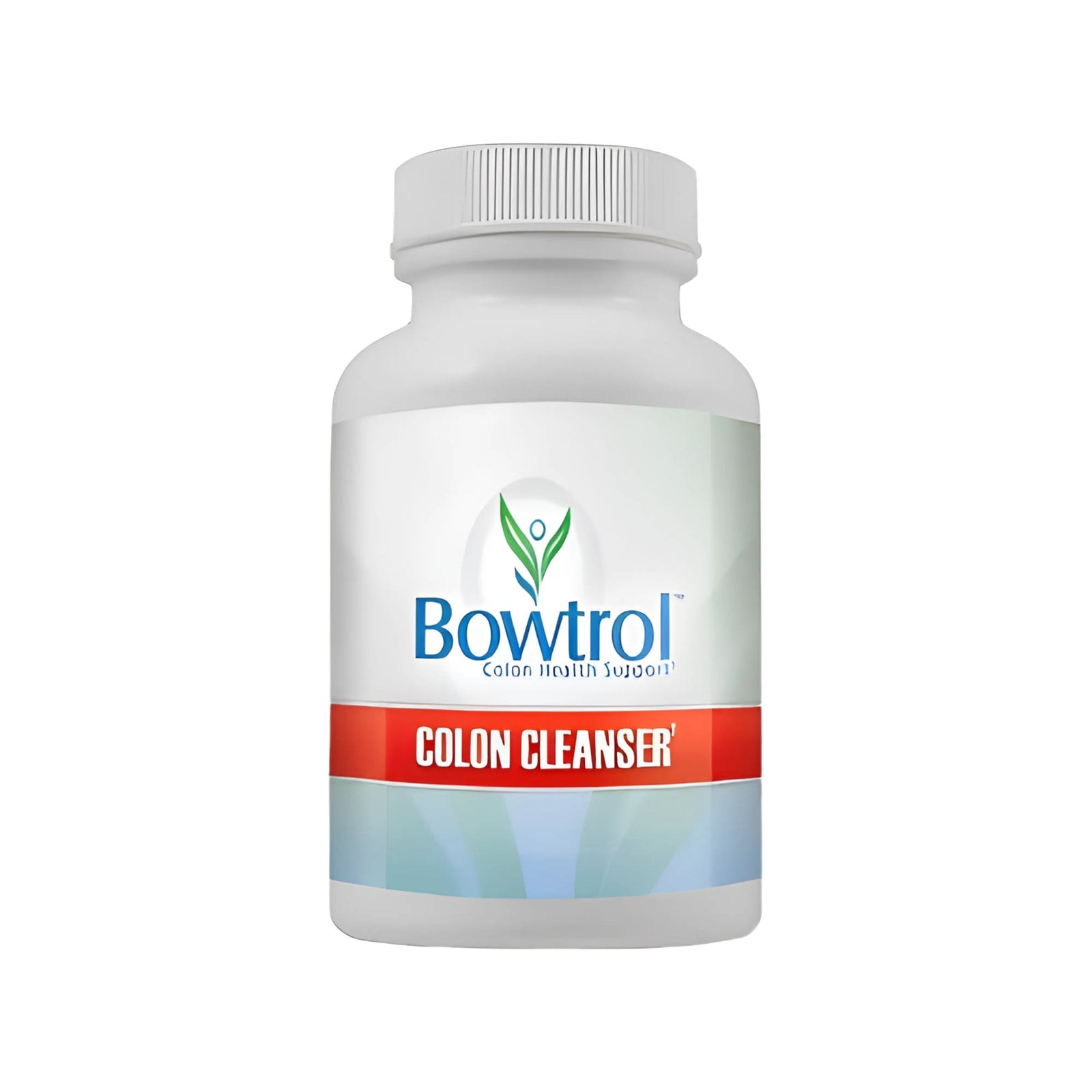
Bowtrol Colon Cleanser Digestive Health Supplement - 1 Bottle
Buy Now — opens in a new tabWhat a lipid panel cannot tell your clinician about your history
Published by How To Lose Weight Gallery · Request a correction
What a lipid panel cannot tell your clinician about your history
A lipid panel puts several blood measurements on one page. It rarely includes pregnancy complications from years ago, the age at menopause or a family member's early heart attack. For a woman looking at an apparently routine result, any of those details may be worth a separate conversation.
Circle the LDL-C and triglyceride lines and take the whole report to your visit. If relevant, write down prior preeclampsia, an early menopause or other reproductive history you remember. An approximate year and the name of the condition are useful even if you cannot recall every detail. Mention a current pregnancy or plans for pregnancy when discussing medication. The American Heart Association’s summary for women’s health clinicians explains where reproductive history fits in cardiovascular risk assessment.
Consider writing out one direct question: “Does anything in my history change how you interpret these results or when we check again?” If you take a prescribed cholesterol medicine, ask the person who manages it about any changes in your circumstances. Do not start or stop it based on a lab notification.
Reconstruct the information a lab form leaves out
A simple way to prepare is to make two small lists. Under “my own history,” record the event, your approximate age and any words a clinician used at the time. For instance, “high blood pressure in my second pregnancy, delivery around 35 weeks” communicates more than a guess about a diagnosis you do not remember. If no one gave you a name for the condition, put a question mark beside it. An old discharge letter may resolve the uncertainty.
Under “family history,” write the relationship, event and approximate age if known. Distinguish the story you know from the part you need to ask about. “My mother had a heart attack in her forties; I do not know her cholesterol level” is a usable history. There is no need to invent the missing number or assume that relatives with similar weights had similar results.
If an appointment is short, choose the detail you most want discussed and put it beside the relevant lab result on your phone. If the test happened during pregnancy or soon after a major change in your health, give the date rather than assuming that context carried forward into the electronic chart. Ask where the history will be recorded so the next clinician interpreting a lipid panel can find it.
Keep your clinician's answer with the dated report. The lab values show what the sample contained; that note documents how the care team interpreted them for you.
Further reading on this topic
Lipid Panel Basics for Weight Loss for Women; an original educational graphic with no patient data, medical thresholds, or treatment claims.
3 views · Published Oct 12, 2026
Creator: How To Lose Weight Gallery
Copyright: How To Lose Weight Gallery
Image license
Hypercet Cholesterol Formula Dietary Supplement - 120 Capsules
Buy Now — opens in a new tab
FloTrol Bladder & Urinary Health Support Dietary Supplement - 1 Bottle
Buy Now — opens in a new tab
Prostacet Prostate Health Dietary Supplement - 60 Capsules
Buy Now — opens in a new tab


