

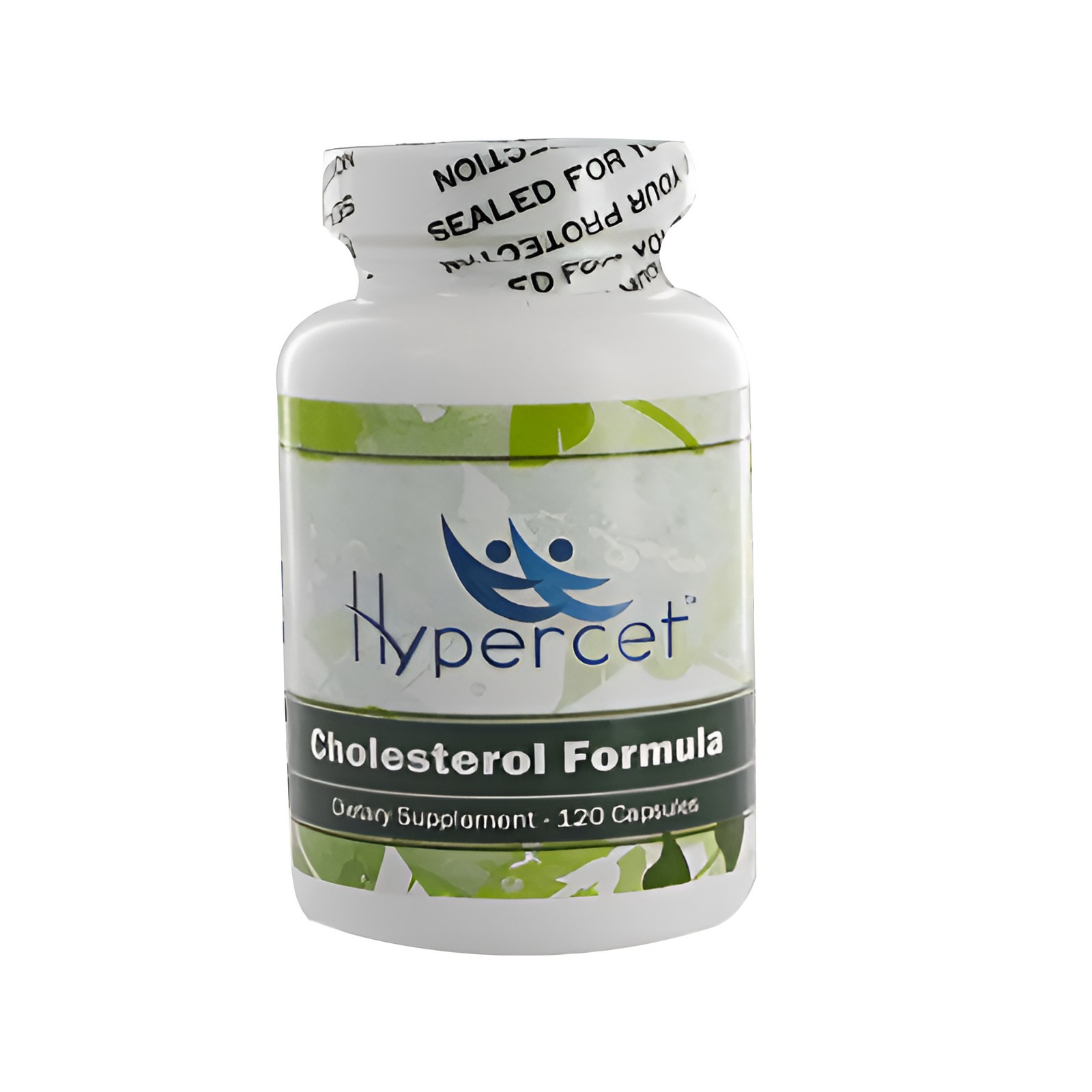
Hypercet Cholesterol Formula Dietary Supplement - 120 Capsules
Buy Now — opens in a new tab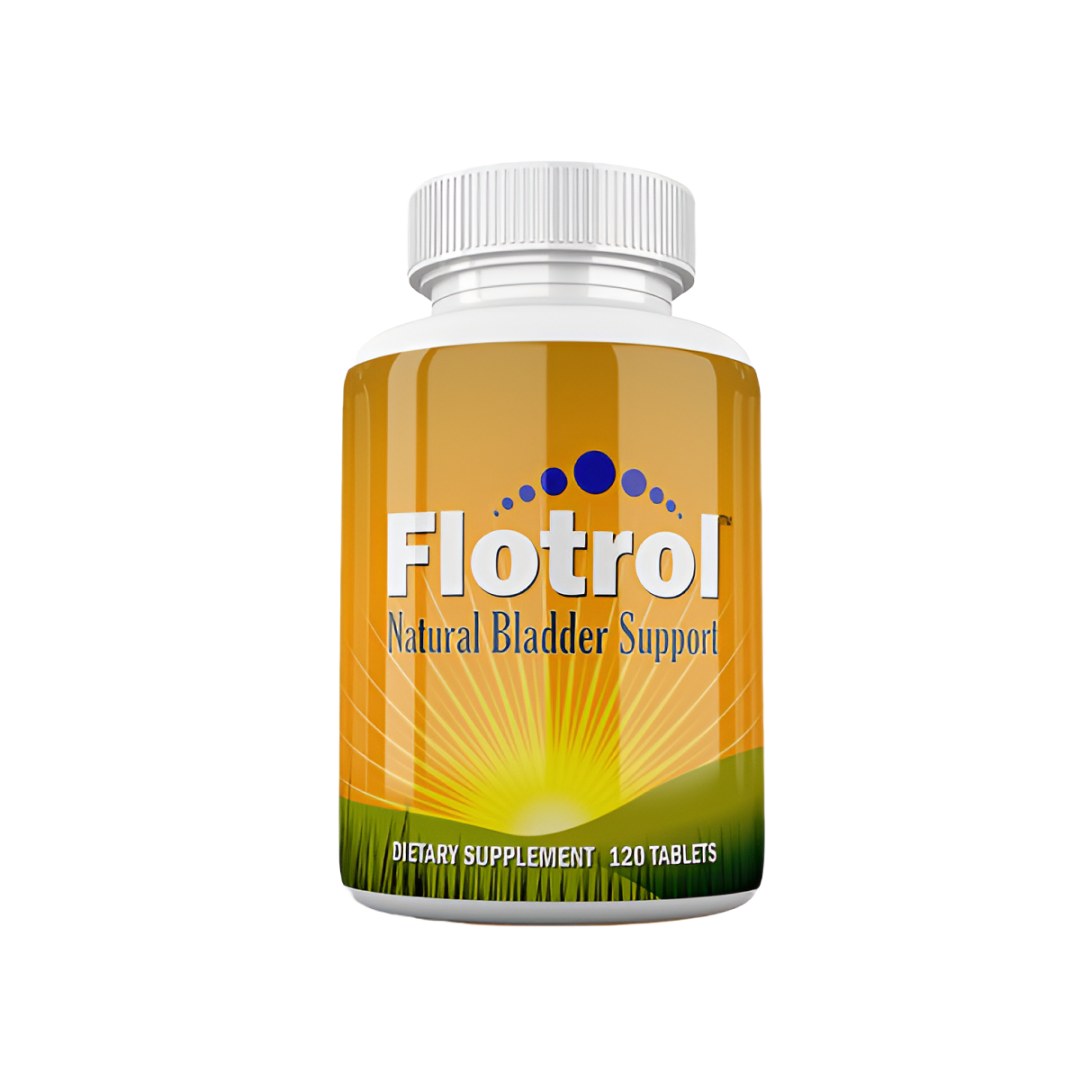
FloTrol Bladder & Urinary Health Support Dietary Supplement - 1 Bottle
Buy Now — opens in a new tab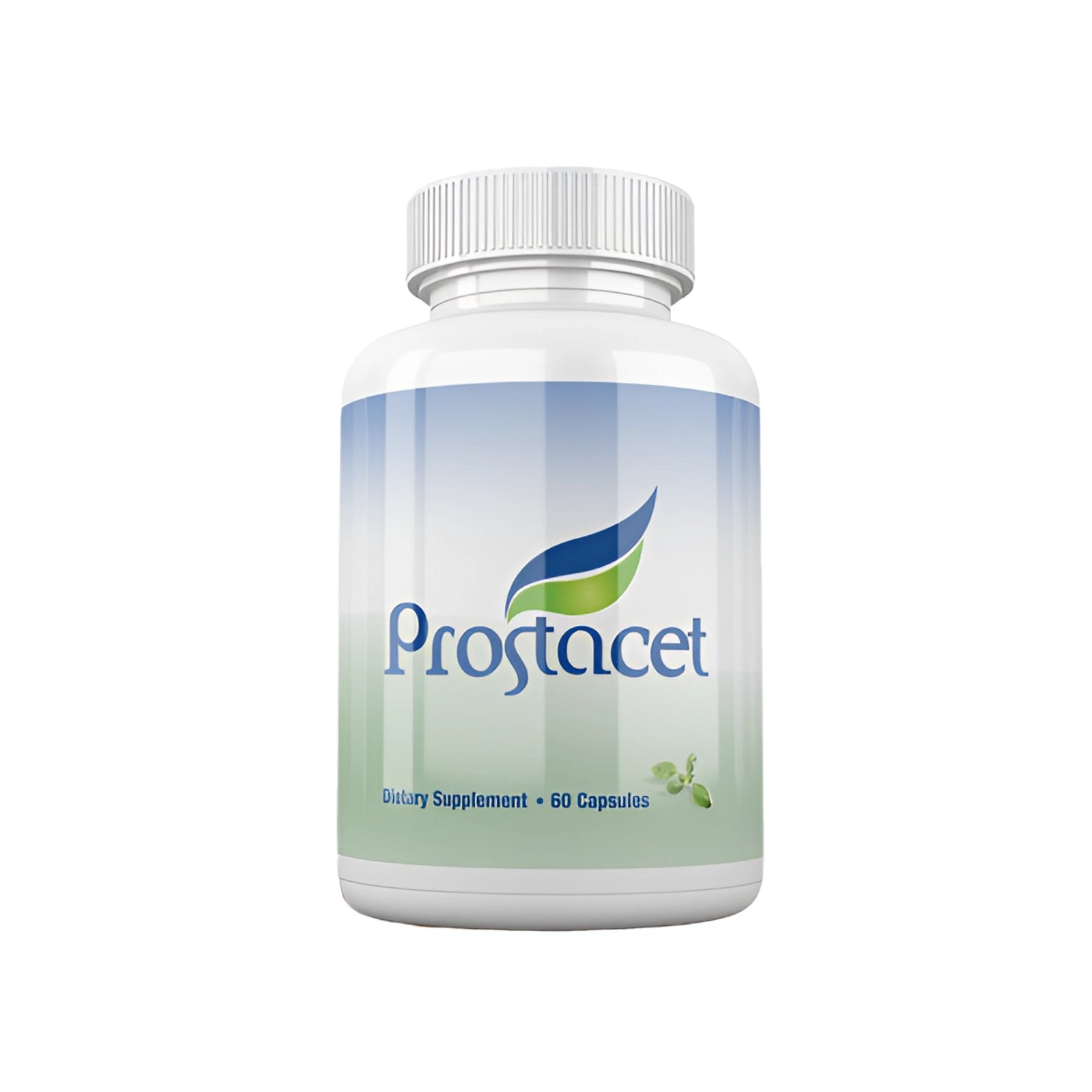
Prostacet Prostate Health Dietary Supplement - 60 Capsules
Buy Now — opens in a new tab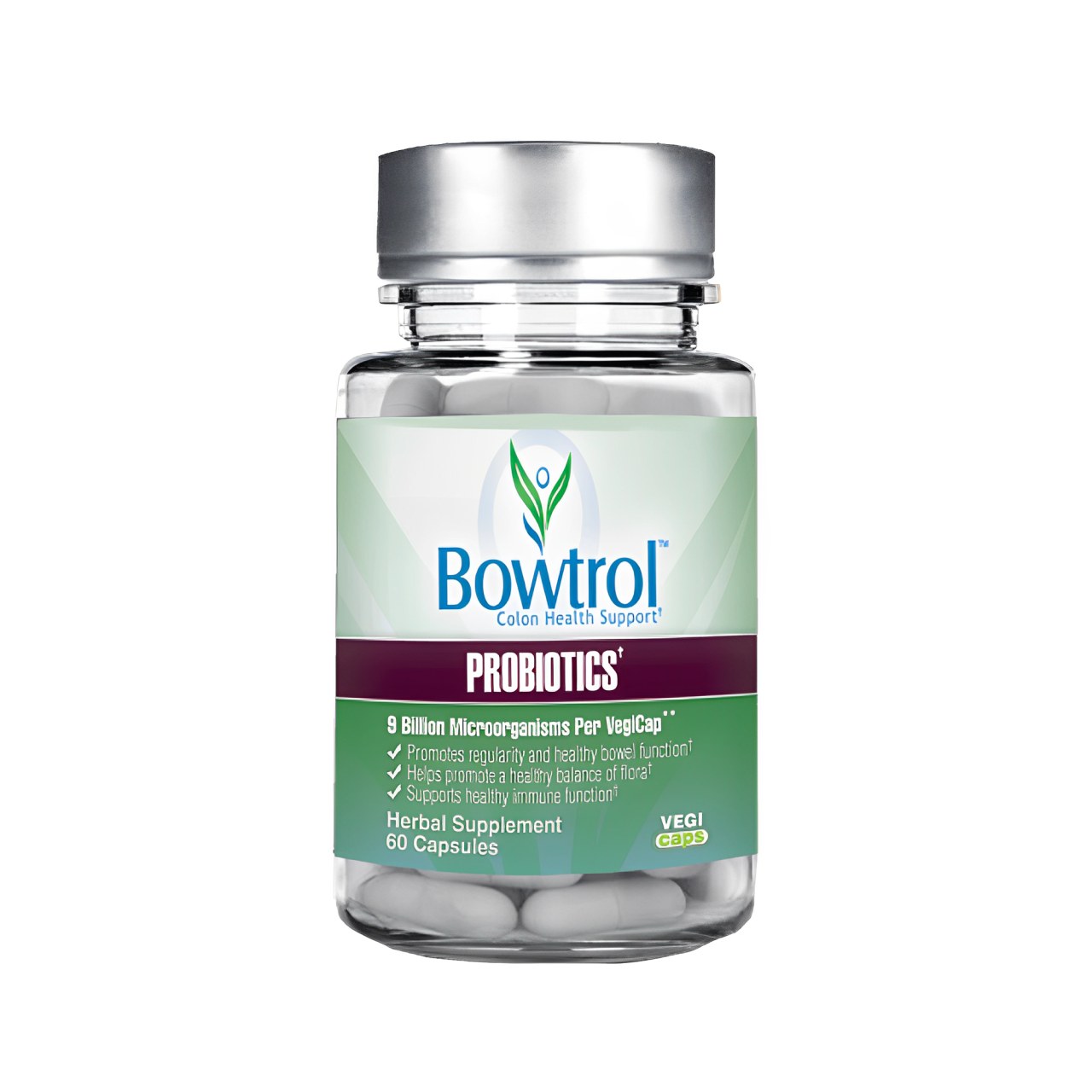
Bowtrol Probiotics Digestive Health Supplement - 60 Capsules
Buy Now — opens in a new tabReading a lipid panel: read what the front leaves out
Which would you choose? The claim on the front answers a narrow question about the product.
Published by How To Lose Weight Gallery · Request a correction
Pick up two foods at the grocery store. One package advertises “cholesterol free.” The other, perhaps a bag of plain oats, says little about cholesterol at all. Which would you choose? The claim on the front answers a narrow question about the product. It does not tell you how eating it fits into the pattern your clinician recommends, or what your next blood test will show.
Read what the front leaves out
Turn the packages over. First check comparable serving sizes. Then look for saturated fat, fiber and the ingredients you want to use. A food made with coconut oil can be plant based and still supply considerable saturated fat. Oats provide soluble fiber. Looking at those details helps explain why two products can have different roles on your shopping list even if both carry similar claims about cholesterol. The NHLBI guide to Therapeutic Lifestyle Changes describes how the type of fat and soluble fiber feature in an eating pattern intended to help manage LDL.
Now consider what each food would replace at home. Oats could become tomorrow's breakfast or remain unopened if nobody enjoys them. A snack with a large claim may displace a favorite food or simply add to the usual grocery bill. Ask whether you like the product, how much it costs per meal and how often you would realistically use it. Buying a specialty item is optional. A familiar staple can be the more useful choice.
Separate food cholesterol from the blood test
Dietary cholesterol is listed on some labels in milligrams per serving. Lab cholesterol is measured in a volume of blood. They are different quantities with different units. You cannot subtract the number on a package from the value in your lab report. The MedlinePlus guide to cholesterol testing explains the measurements used in a lipid panel, including values for LDL and HDL. Ask which part of the panel matters most in your situation before treating a package claim as medical guidance.
If two packages are different sizes, compare the cost of a breakfast you would actually eat. A bargain per ounce can still be wasteful when you only like one serving.
Try a two-column grocery list for a week. In the first column write the food you usually buy; in the second write one possible swap and what you hope it changes. A note such as “plain rolled oats for two breakfasts I can make in advance” gives you a concrete way to test the idea. At the end of the week you can judge cost, convenience and taste. The appropriate way to follow blood cholesterol is through your care team and the tests they recommend.
Divide or multiply by serving size before comparing
If two cereal labels are printed for different bowl sizes, compare the same weight from each package or calculate the values in your usual portion. Write that portion beside the serving sizes and the saturated-fat figures so you can tell which numbers came from the label and which you worked out.
Further reading on this topic
Cholesterol Myth Versus Fact for Weight Loss Foods; an original educational graphic with no patient data, medical thresholds, or treatment claims.
5 views · Published Oct 12, 2026
Creator: How To Lose Weight Gallery
Copyright: How To Lose Weight Gallery
Image license
Hypercet Cholesterol Formula Dietary Supplement - 120 Capsules
Buy Now — opens in a new tab
FloTrol Bladder & Urinary Health Support Dietary Supplement - 1 Bottle
Buy Now — opens in a new tab
Prostacet Prostate Health Dietary Supplement - 60 Capsules
Buy Now — opens in a new tab


