

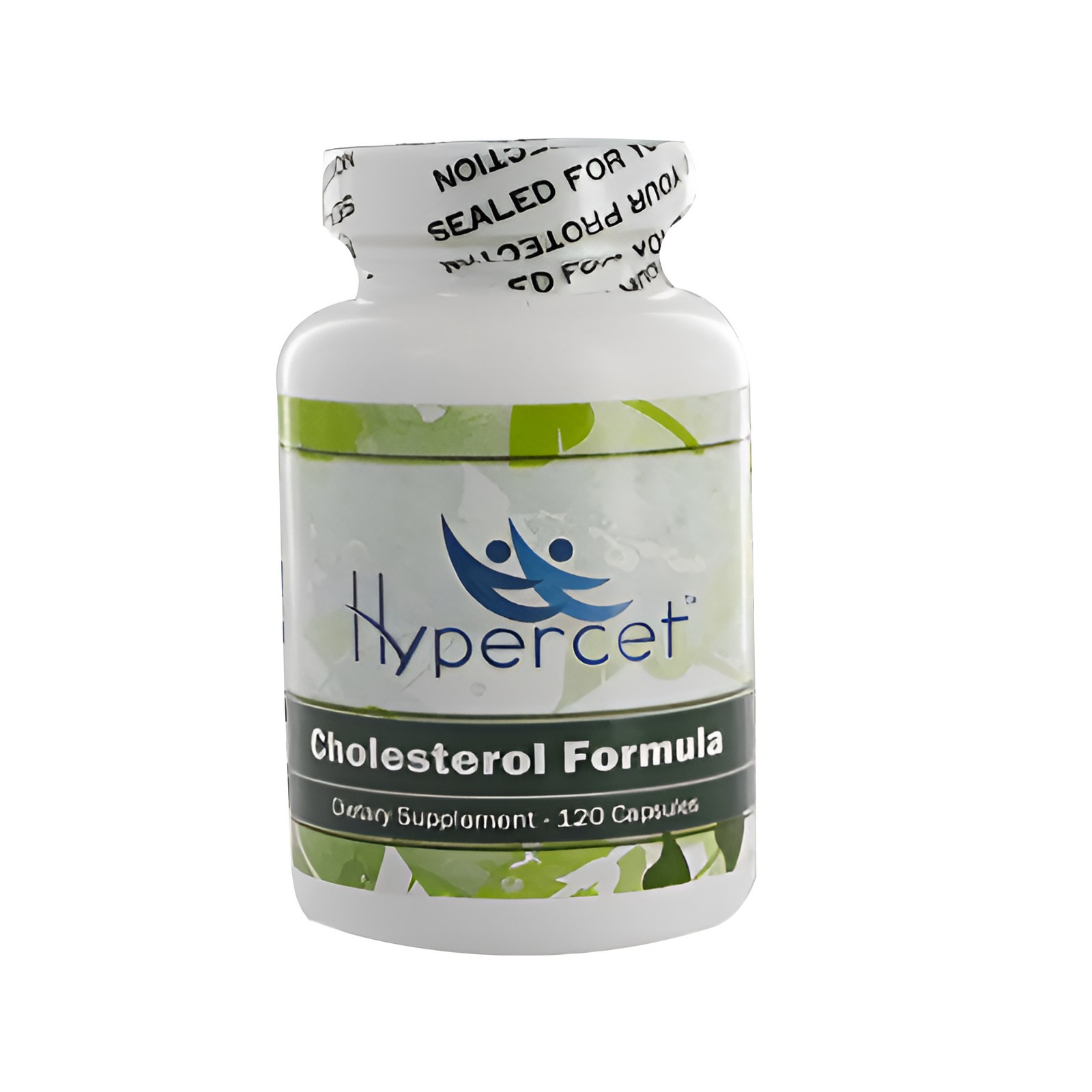
Hypercet Cholesterol Formula Dietary Supplement - 120 Capsules
Buy Now — opens in a new tab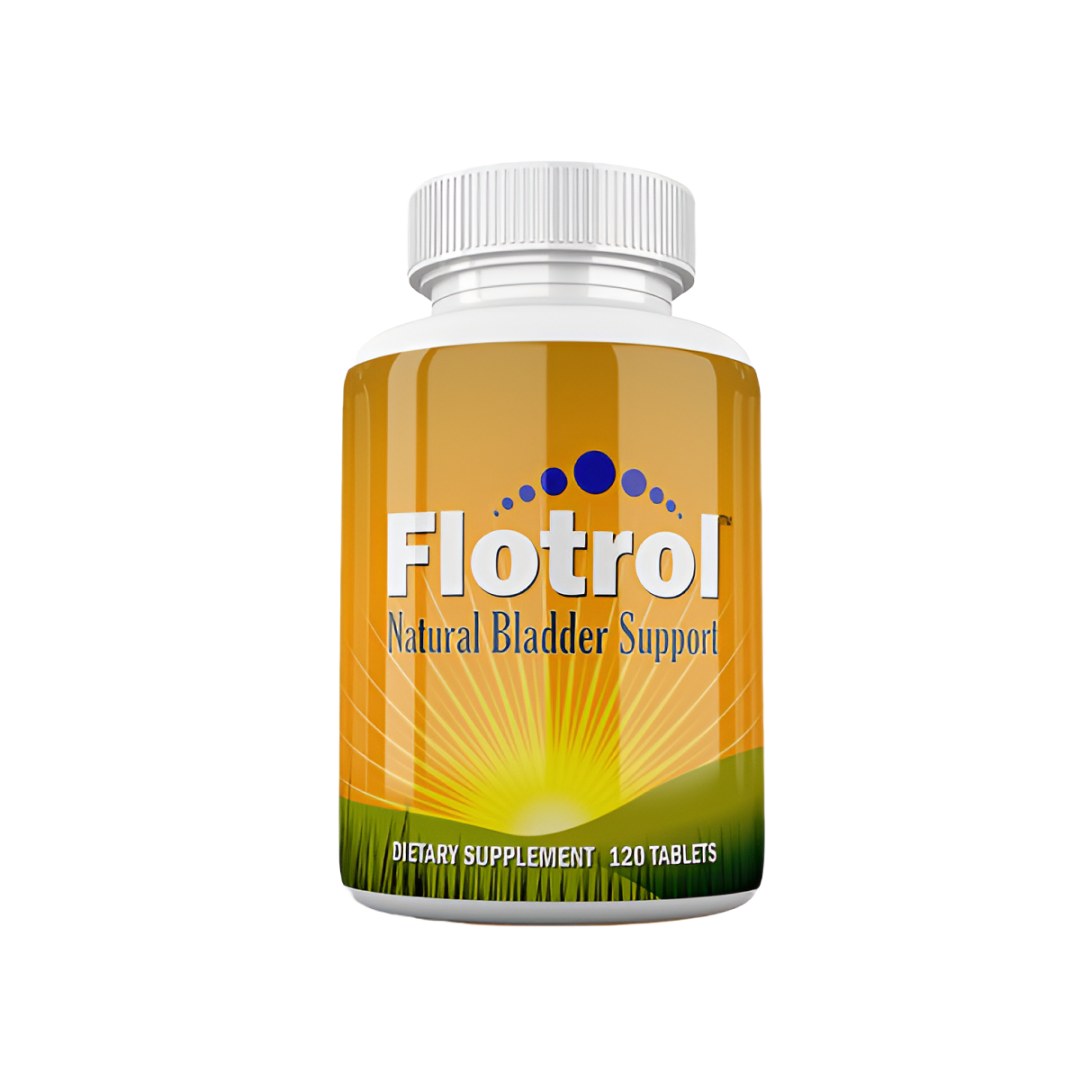
FloTrol Bladder & Urinary Health Support Dietary Supplement - 1 Bottle
Buy Now — opens in a new tab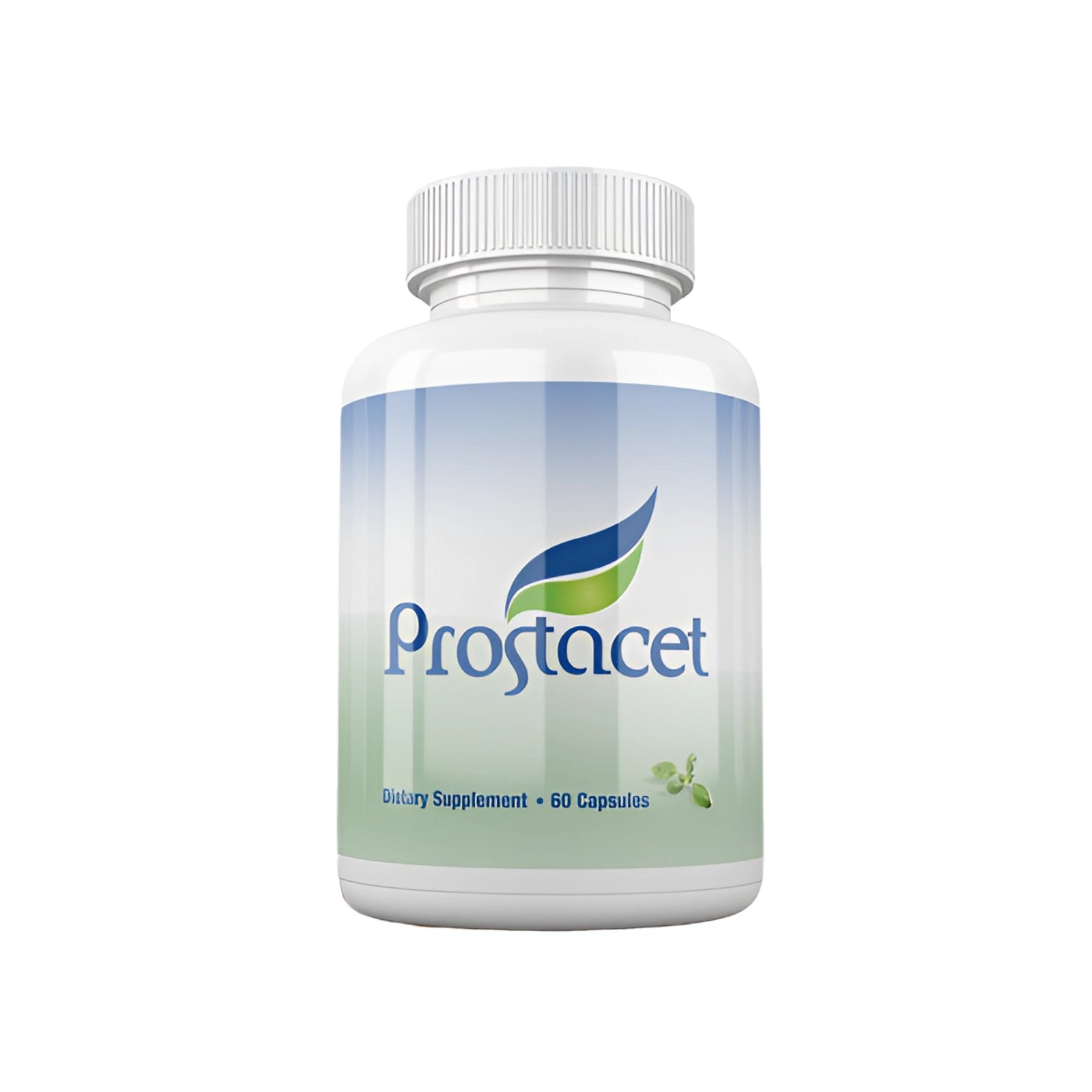
Prostacet Prostate Health Dietary Supplement - 60 Capsules
Buy Now — opens in a new tab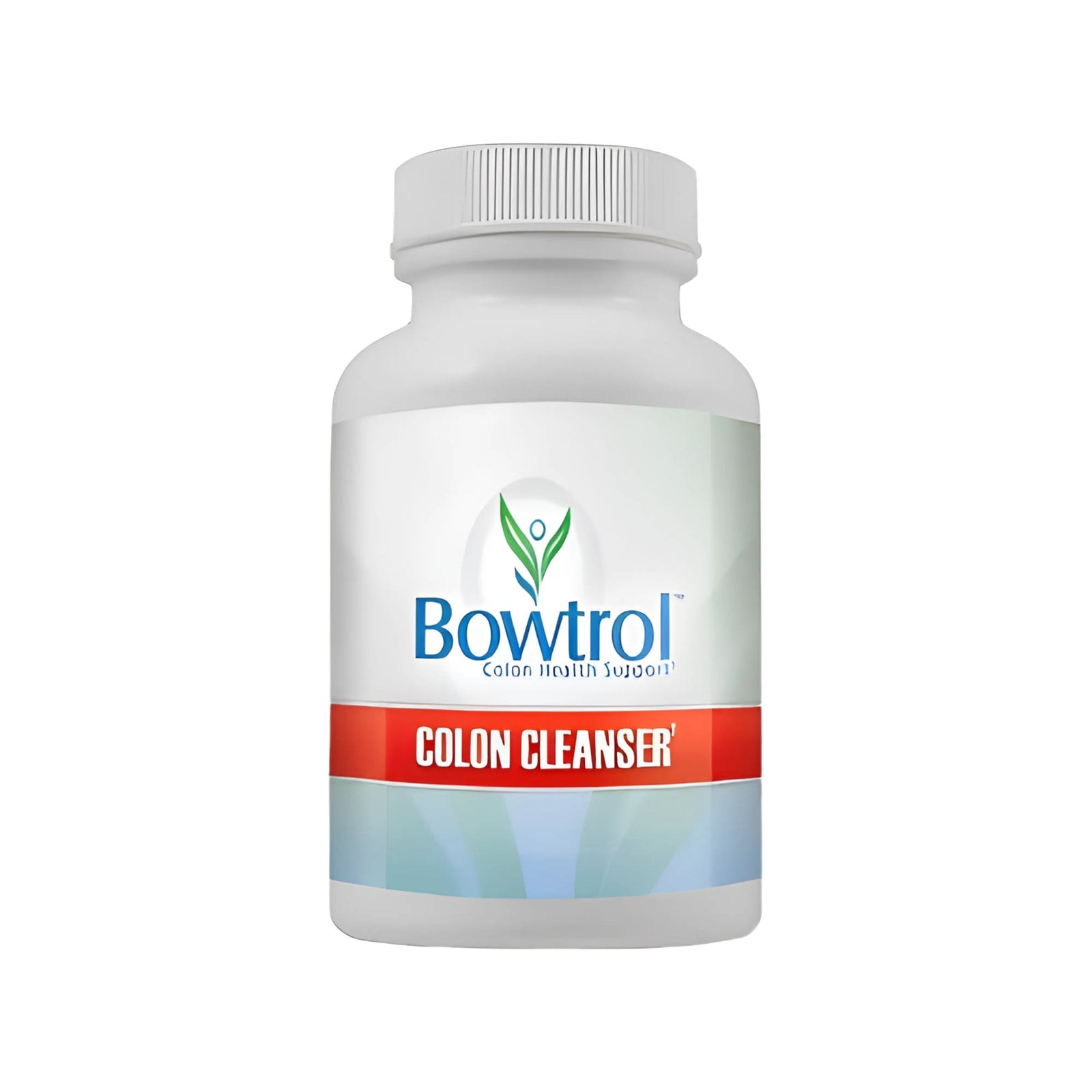
Bowtrol Colon Cleanser Digestive Health Supplement - 1 Bottle
Buy Now — opens in a new tabReading a lipid panel: work out non-HDL cholesterol from the report you already have
Published by How To Lose Weight Gallery · Request a correction
Work out non-HDL cholesterol from the report you already have
Open one laboratory report and find two values from the same draw: total cholesterol and HDL cholesterol. Use values with matching units. Non-HDL cholesterol is total cholesterol minus HDL. For example, in a sample report with total cholesterol of 185 mg/dL and HDL of 55 mg/dL, non-HDL is 130 mg/dL. Keep the original unit with the answer. MedlinePlus explains non-HDL cholesterol and the lipid panel.
Why subtract HDL? The remainder counts cholesterol carried by LDL and other non-HDL particles. That makes it a broader measurement than LDL-C alone. If your report lists LDL separately, copy its own value into your notes. The two labels are easy to confuse when a results portal shortens names to fit a phone screen.
A useful accuracy check is to do the subtraction twice, once from the printed numbers and once from the portal. A much larger disagreement suggests a mix-up in dates, units or the row you used. Ask the lab to identify the correct numbers before drawing conclusions.
Spot two common transcription errors
One error is subtracting triglycerides instead of HDL because those rows happen to sit next to each other. Read the label out loud as you copy it and trace it across to the value in the correct date column. Another is mixing the total cholesterol from a new test with the HDL value from an old one. The answer could look plausible even though it describes no blood sample you have ever given. Keep the specimen date above each calculation.
A second example uses a different set of units. Suppose one report gives total cholesterol of 5.0 mmol/L and HDL cholesterol of 1.3 mmol/L. The difference is 3.7 mmol/L. Do not label it mg/dL or place it beside an mg/dL result as though the two numbers were directly comparable. If your older reports come from a country that uses another unit, bring the originals and ask your care team to make the comparison safely.
Finally, if your portal already lists non-HDL, put your calculation beside that entry. A tiny difference can arise when displayed numbers have been rounded. A large disagreement calls for checking the names, dates and units first. Ask the clinic to explain any remaining discrepancy. That small reading skill is useful the next time a portal changes its layout or abbreviates a measurement.
This calculation does not tell you how many calories to eat or establish a treatment threshold. Take the dated result to your clinician and ask whether they use non-HDL to guide your care and, if so, how they chose your goal.
Use subtraction as a cross-check
As a practice calculation only, a report with total cholesterol of 200 mg/dL and HDL-C of 50 mg/dL gives non-HDL-C of 150 mg/dL. Do the subtraction using numbers from the same sample in the same units. Keep the source report beside the result so the calculation is easy to check.
Further reading on this topic
Non-HDL Cholesterol Basics for Low Calorie Meals; an original educational graphic with no patient data, medical thresholds, or treatment claims.
6 views · Published Oct 12, 2026
Creator: How To Lose Weight Gallery
Copyright: How To Lose Weight Gallery
Image license
Hypercet Cholesterol Formula Dietary Supplement - 120 Capsules
Buy Now — opens in a new tab
FloTrol Bladder & Urinary Health Support Dietary Supplement - 1 Bottle
Buy Now — opens in a new tab
Prostacet Prostate Health Dietary Supplement - 60 Capsules
Buy Now — opens in a new tab


