

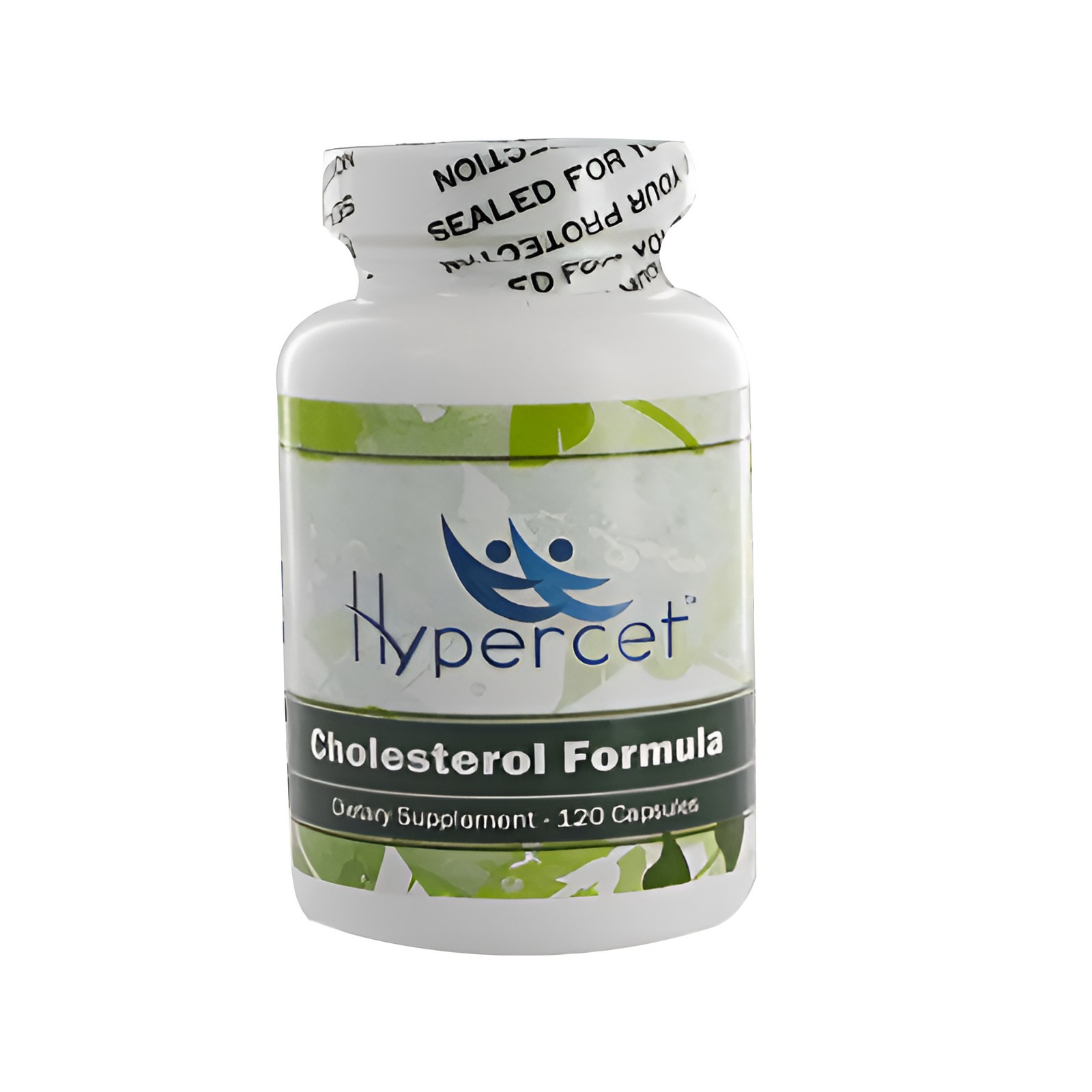
Hypercet Cholesterol Formula Dietary Supplement - 120 Capsules
Buy Now — opens in a new tab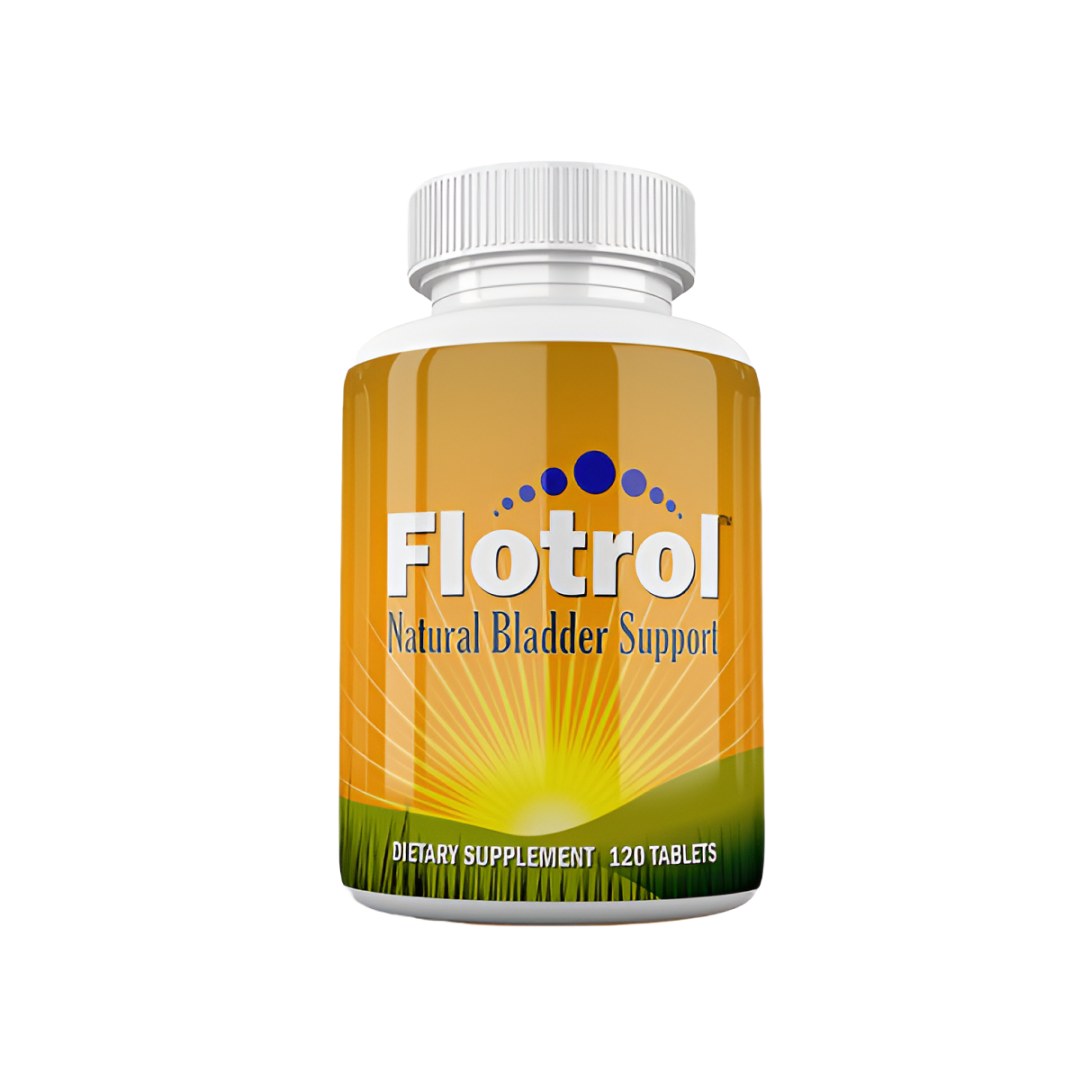
FloTrol Bladder & Urinary Health Support Dietary Supplement - 1 Bottle
Buy Now — opens in a new tab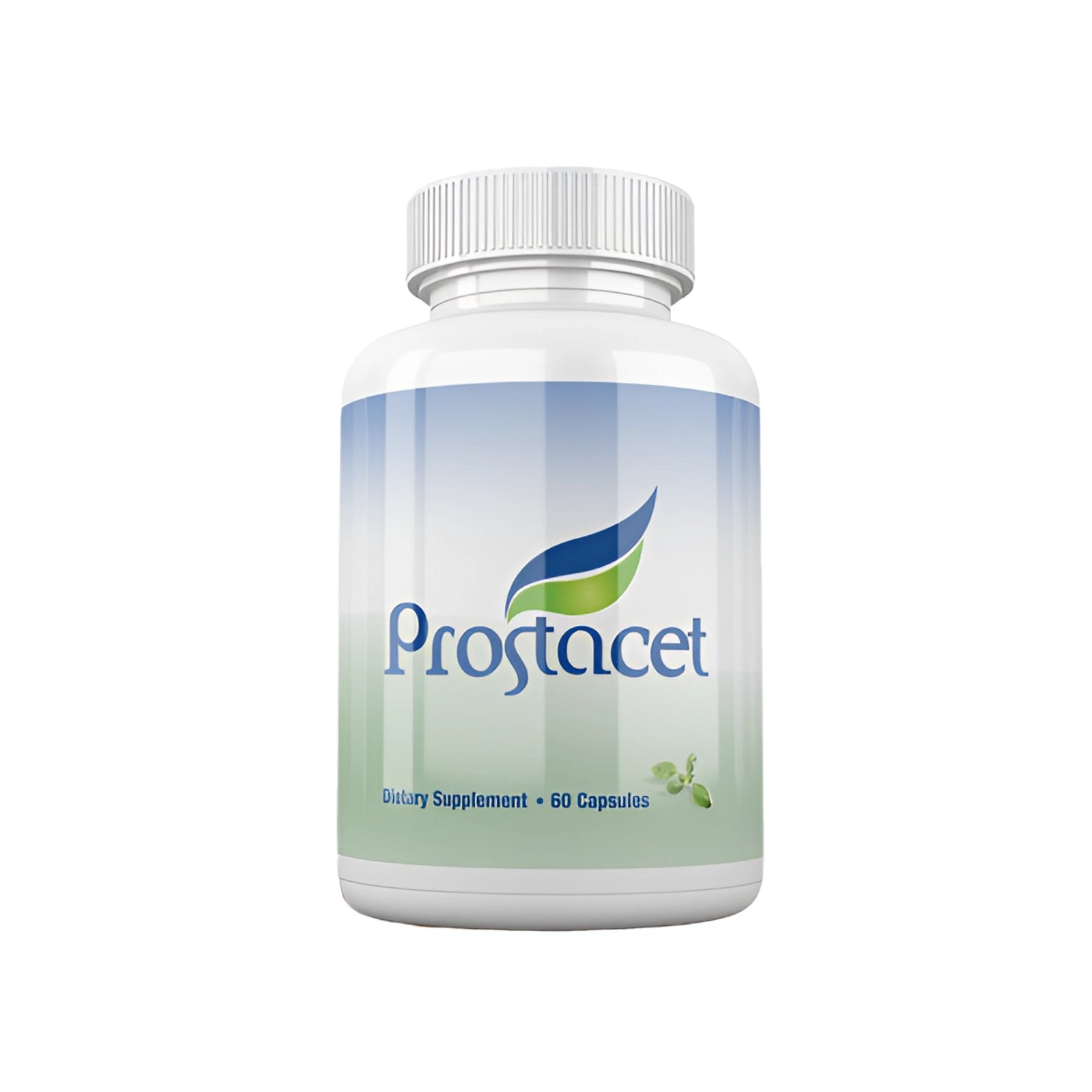
Prostacet Prostate Health Dietary Supplement - 60 Capsules
Buy Now — opens in a new tab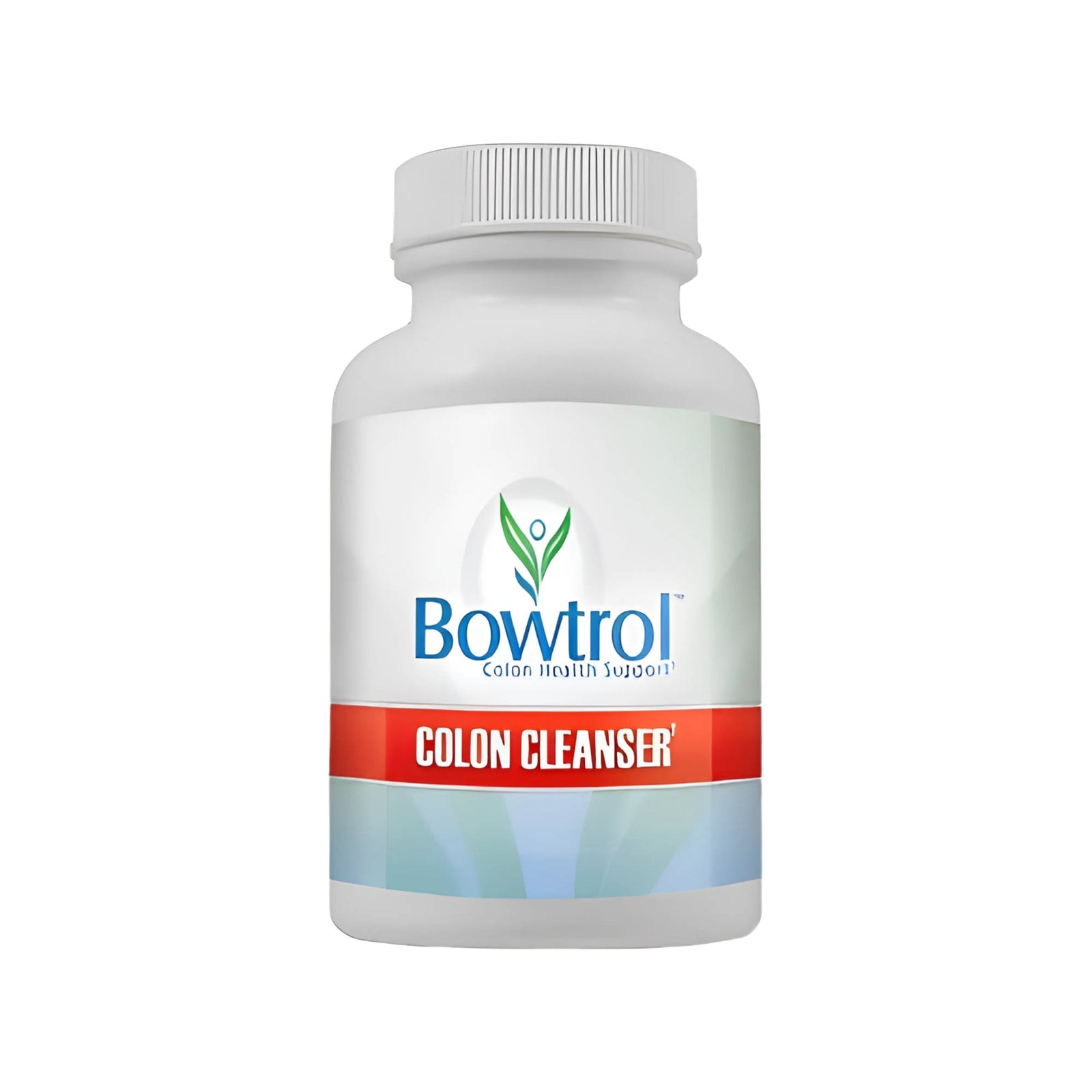
Bowtrol Colon Cleanser Digestive Health Supplement - 1 Bottle
Buy Now — opens in a new tabReading a lipid panel: does a “cholesterol free” snack settle the question?
Published by How To Lose Weight Gallery · Request a correction
Does a “cholesterol free” snack settle the question?
A bag of cookies made with coconut oil may qualify for a zero dietary cholesterol listing while still supplying saturated fat. Dietary cholesterol and saturated fat occupy different lines on the Nutrition Facts label. Your blood LDL cholesterol is yet another measurement, taken from a blood sample. A zero on the package does not predict a zero effect on LDL.
To compare two snacks, start with how much you actually eat. Suppose one label lists 2 grams of saturated fat per serving and the bag contains two servings. Eating the bag provides 4 grams. Compare that amount with the portion you would eat of the other snack, rather than matching the two front-of-package claims. The FDA's Nutrition Facts guide explains serving sizes and nutrient amounts.
Look at what you could eat in the same situation. If you usually reach for cookies in the car because lunch was early, a small container of unsalted nuts or fruit with plain yogurt might travel just as well. If you want the cookies, the serving calculation still helps you understand the choice. The American Heart Association explains why replacing saturated fat with unsaturated fat matters for heart health.
Walk through the decision with two real packages
Place the snack you buy most often beside another item you would genuinely enjoy. Before looking at the nutrient amounts, pour your usual portion of each into separate bowls. The label amount might be described as a number of pieces, a weight or a fraction of the package. Check which measure is practical to use. If the foods have different serving sizes, comparing their amounts “per serving” can give a misleading impression about the portions in front of you.
For example, a small serving of a coconut-based snack might show less saturated fat than a much larger serving of another product. If you usually eat several servings of the first and only part of the second, the ranking can change. You do not need a kitchen scale at every snack. Doing the comparison once with a familiar package can show why the front claim caught your attention and whether it helps you choose.
Include what you need from the snack. Someone packing food for a long bus ride may want a shelf-stable option that does not crumble. Someone eating after a meal may simply want a sweet taste. Write down one option that fits the setting and any allergies or budget limits. A snack that matches your preference gives you a realistic example to discuss when a clinician asks what you eat between meals.
Bring a label photo if a claim is confusing. It gives a dietitian or clinician something concrete to interpret beside your lab results.
Compare what you will actually eat
If snack A lists 1 gram of saturated fat per serving and you eat two servings, record 2 grams for your comparison. Compare snack B using the amount you expect to eat, even if the front of its package uses the same “cholesterol free” phrase.
Further reading on this topic
Cholesterol Myth Versus Fact for Healthy Snacks; an original educational graphic with no patient data, medical thresholds, or treatment claims.
5 views · Published Oct 12, 2026
Creator: How To Lose Weight Gallery
Copyright: How To Lose Weight Gallery
Image license
Hypercet Cholesterol Formula Dietary Supplement - 120 Capsules
Buy Now — opens in a new tab
FloTrol Bladder & Urinary Health Support Dietary Supplement - 1 Bottle
Buy Now — opens in a new tab
Prostacet Prostate Health Dietary Supplement - 60 Capsules
Buy Now — opens in a new tab


