


Hypercet Cholesterol Formula Dietary Supplement - 120 Capsules
Buy Now — opens in a new tab
FloTrol Bladder & Urinary Health Support Dietary Supplement - 1 Bottle
Buy Now — opens in a new tab
Prostacet Prostate Health Dietary Supplement - 60 Capsules
Buy Now — opens in a new tab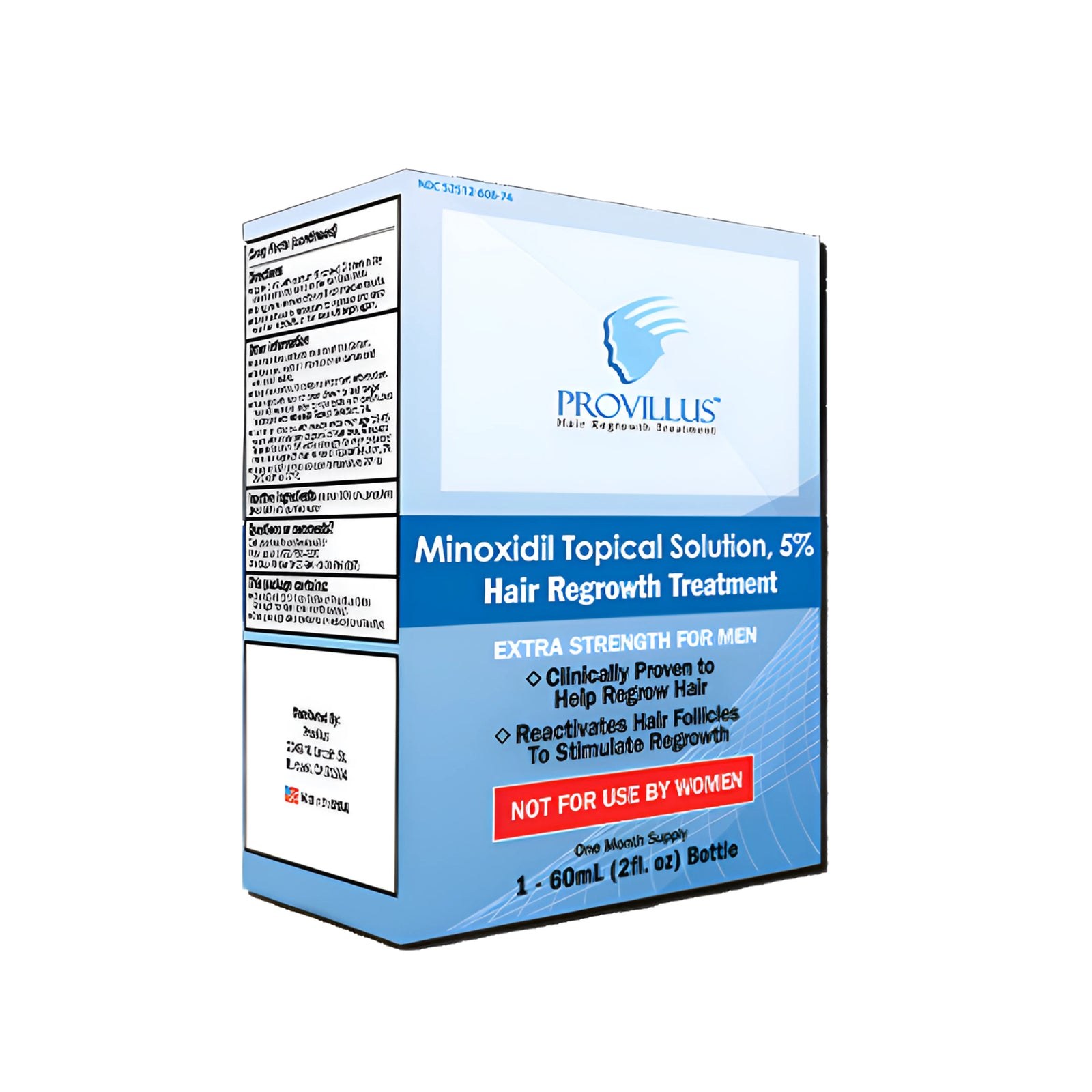
Provillus Minoxidil 5% for Men - Extra Strength Topical Hair Regrowth Treatment, 60 mL
Buy Now — opens in a new tabReading a lipid panel: ask a question the recipe can help answer
A reader makes lentil soup every Sunday and asks, “Could this recipe explain my triglycerides?” A recipe gives the clinician a picture of one part of the week. A triglyceride measurement comes from a particular blood sample.
Published by How To Lose Weight Gallery · Request a correction
To make the conversation useful, prepare one recipe card and one test note, then read the two together.
Put the whole serving on the recipe card
List the main ingredients and the number of bowls the pot actually yields. Add the bread, drinks and toppings people generally have with it. A soup served alone at lunch is a different meal from the same bowl served with a sweet drink and several sides at dinner. Record ordinary portions in familiar terms. A mug, a serving spoon or a slice is more useful than a gram figure guessed long after the meal. Include how often you make the soup so nobody mistakes an occasional favorite for your entire diet.
On the test note, copy the triglyceride result, its units and the date of the draw. Was fasting requested? Were you able to follow those instructions? If you ate beforehand, tell the ordering team what happened. A clinician can decide whether that affects this result or calls for a repeat. A fasting sample should only be prepared for as instructed. See the MedlinePlus guide to the triglycerides test for an explanation of what the test measures.
Ask a question the recipe can help answer
Instead of asking whether lentils caused a flagged value, explain what you want to change. For example, “I make this meal twice most weeks. Would it make sense for me to change the drink I usually serve with it?” If sweet drinks are already unusual, say so. You might discuss your overall eating pattern, family history or other clinical factors. That conversation can uncover a more relevant next step than changing a dish you enjoy.
If you made a substitution because the shop was out of an ingredient, note that too. It helps separate the recipe you intended to cook from the meal that actually reached the table.
Keep the original recipe when you try an adjustment. Add a date and describe the difference in practical terms, such as serving sparkling water with citrus and keeping enough soup for another lunch. Note whether everyone enjoyed the change. You now have two observations for the next appointment: what the recipe looked like and whether the change lasted. A repeat blood test, if advised, can be discussed on its own terms without assigning a lab outcome to a single ingredient.
Further reading on this topic
Triglyceride Context Checklist for Healthy Recipes; an original educational graphic with no patient data, medical thresholds, or treatment claims.
1 views · Published Oct 12, 2026
Creator: How To Lose Weight Gallery
Copyright: How To Lose Weight Gallery
Image license
Hypercet Cholesterol Formula Dietary Supplement - 120 Capsules
Buy Now — opens in a new tab
FloTrol Bladder & Urinary Health Support Dietary Supplement - 1 Bottle
Buy Now — opens in a new tab
Prostacet Prostate Health Dietary Supplement - 60 Capsules
Buy Now — opens in a new tab


