

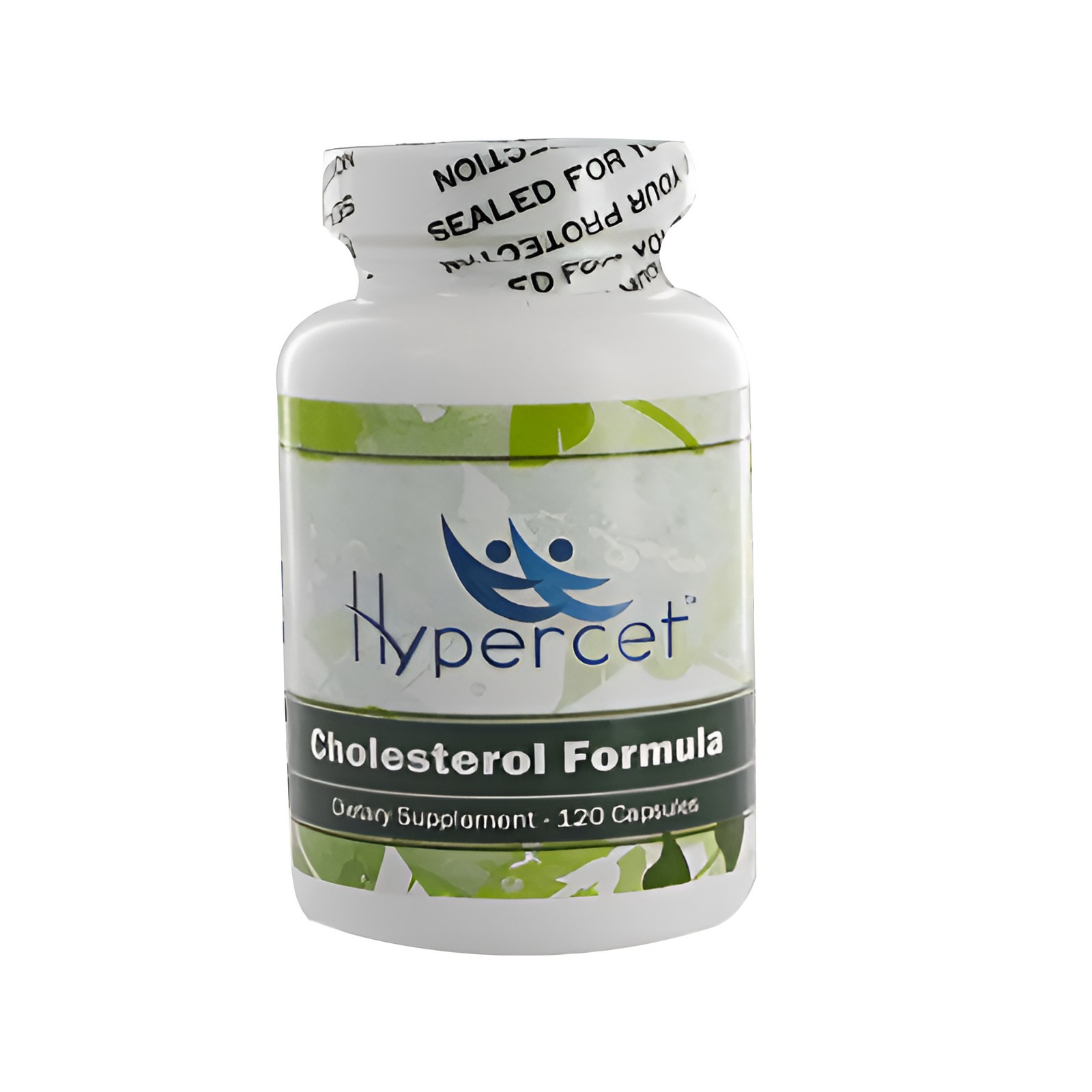
Hypercet Cholesterol Formula Dietary Supplement - 120 Capsules
Buy Now — opens in a new tab
FloTrol Bladder & Urinary Health Support Dietary Supplement - 1 Bottle
Buy Now — opens in a new tab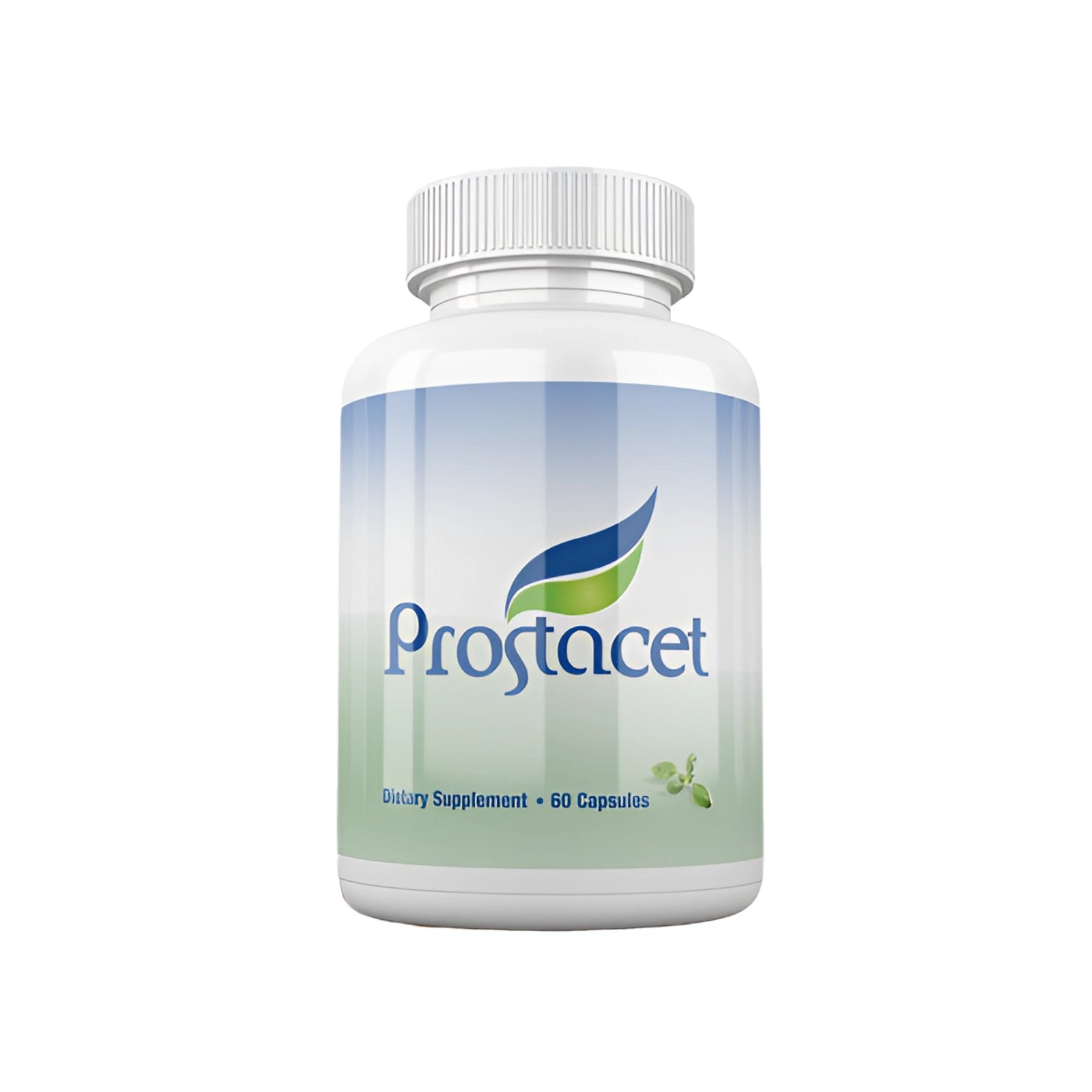
Prostacet Prostate Health Dietary Supplement - 60 Capsules
Buy Now — opens in a new tab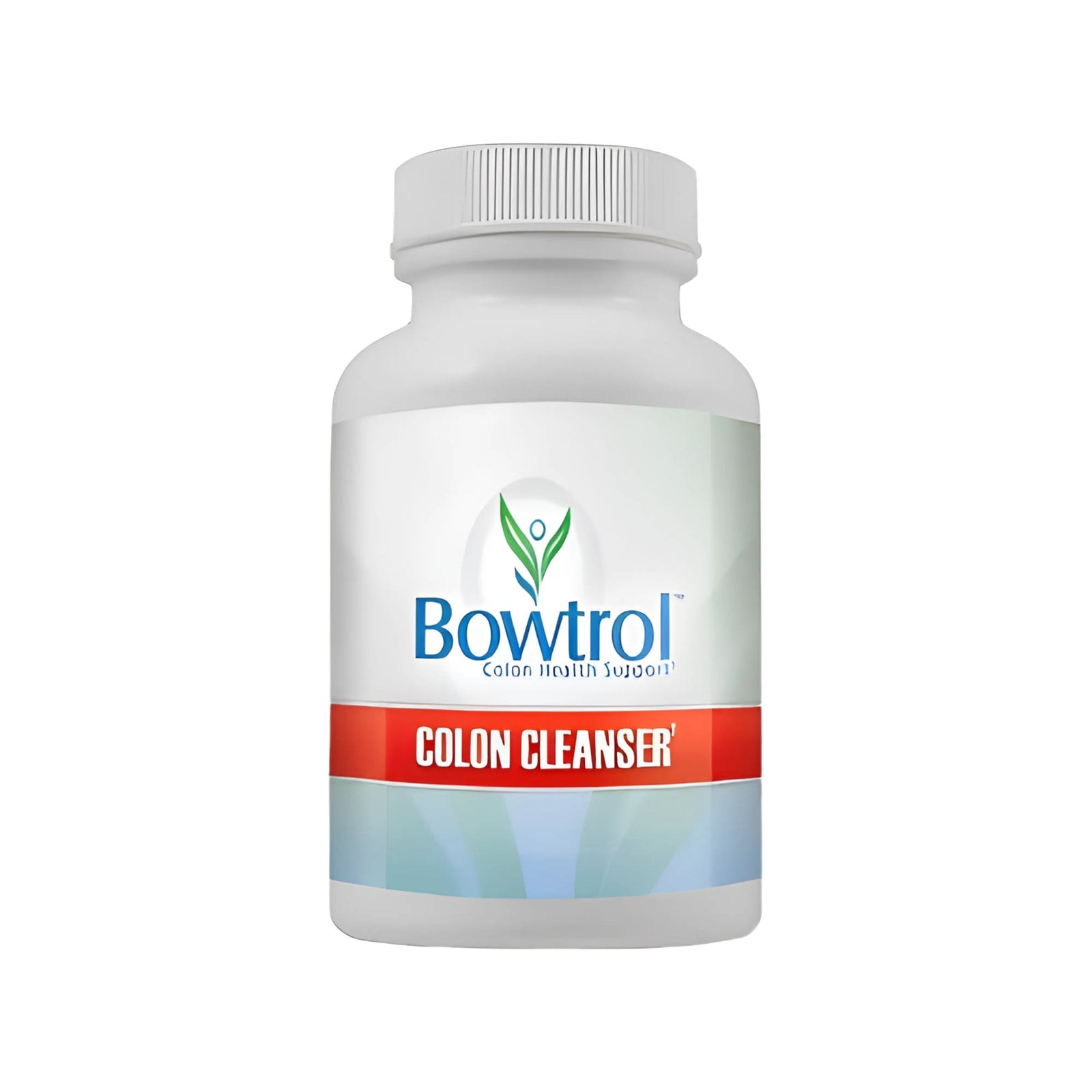
Bowtrol Colon Cleanser Digestive Health Supplement - 1 Bottle
Buy Now — opens in a new tabReading a lipid panel: ask about the chicken dish that actually reaches your plate
If dinner comes from a restaurant, ask which cooking details are worth finding out. Knowing whether a piece is breaded, what dressing comes with it and whether there are other sides can be more informative than simply saying you ordered chicken.
Published by How To Lose Weight Gallery · Request a correction
Ask about the chicken dish that actually reaches your plate
If cholesterol advice sounds as simple as “choose chicken,” bring two examples to your visit. A breaded chicken sandwich with cheese and a creamy dressing can differ considerably from a chicken-and-vegetable stew. The cut, skin, added fat, sauce and sides are all part of the meal. The American Heart Association describes how poultry fits among protein choices.
Choose the chicken recipe you cook most often and highlight what you can adjust. Someone who loves crisp skin might prefer keeping a smaller portion and changing the side. Someone who loves a rich sauce might enjoy a tomato-and-pepper version on some nights. A clinician or dietitian can help decide which change suits the LDL result, personal needs and food preferences you bring to the conversation.
If dinner comes from a restaurant, ask which cooking details are worth finding out. Knowing whether a piece is breaded, what dressing comes with it and whether there are other sides can be more informative than simply saying you ordered chicken. Write one question you can realistically ask while ordering.
Give the recipe enough detail for a useful answer
Imagine you prepare chicken for three dinners from one shopping trip. The first meal is roasted pieces with vegetables. The second is chicken folded into a creamy pasta. The third is a wrap made from leftovers. The same protein appears in all three, but the amounts of cheese, cooking fat and sauce can differ considerably. Choose the meal that comes up most often, rather than the most photogenic one, as your example.
Tell the clinician which part your family enjoys. For the pasta, perhaps it is the garlic and herbs rather than the cream. If so, ask whether a tomato-based version would suit your needs. For the wrap, the easiest adjustment might be a different filling or dressing because the chicken is already cooked. If you buy the chicken prepared, bring the package and ask which label information is most useful. The aim is to leave with an idea you can carry out the next time you shop.
A follow-up note can be short. Write the meal name, the one change you tried and whether you would cook it again. If the substitute was bland, unavailable locally or too costly for a family meal, record that too. Practical feedback gives a dietitian a chance to suggest another way to address the same lab concern.
Finally, get a clear plan for assessing the lab result. “When should I repeat the panel, and who will contact me?” is a separate and important question even after you have a dinner option you like.
Further reading on this topic
Questions for Your Clinician for Healthy Chicken Recipes; an original educational graphic with no patient data, medical thresholds, or treatment claims.
4 views · Published Oct 12, 2026
Creator: How To Lose Weight Gallery
Copyright: How To Lose Weight Gallery
Image license
Hypercet Cholesterol Formula Dietary Supplement - 120 Capsules
Buy Now — opens in a new tab
FloTrol Bladder & Urinary Health Support Dietary Supplement - 1 Bottle
Buy Now — opens in a new tab
Prostacet Prostate Health Dietary Supplement - 60 Capsules
Buy Now — opens in a new tab


