

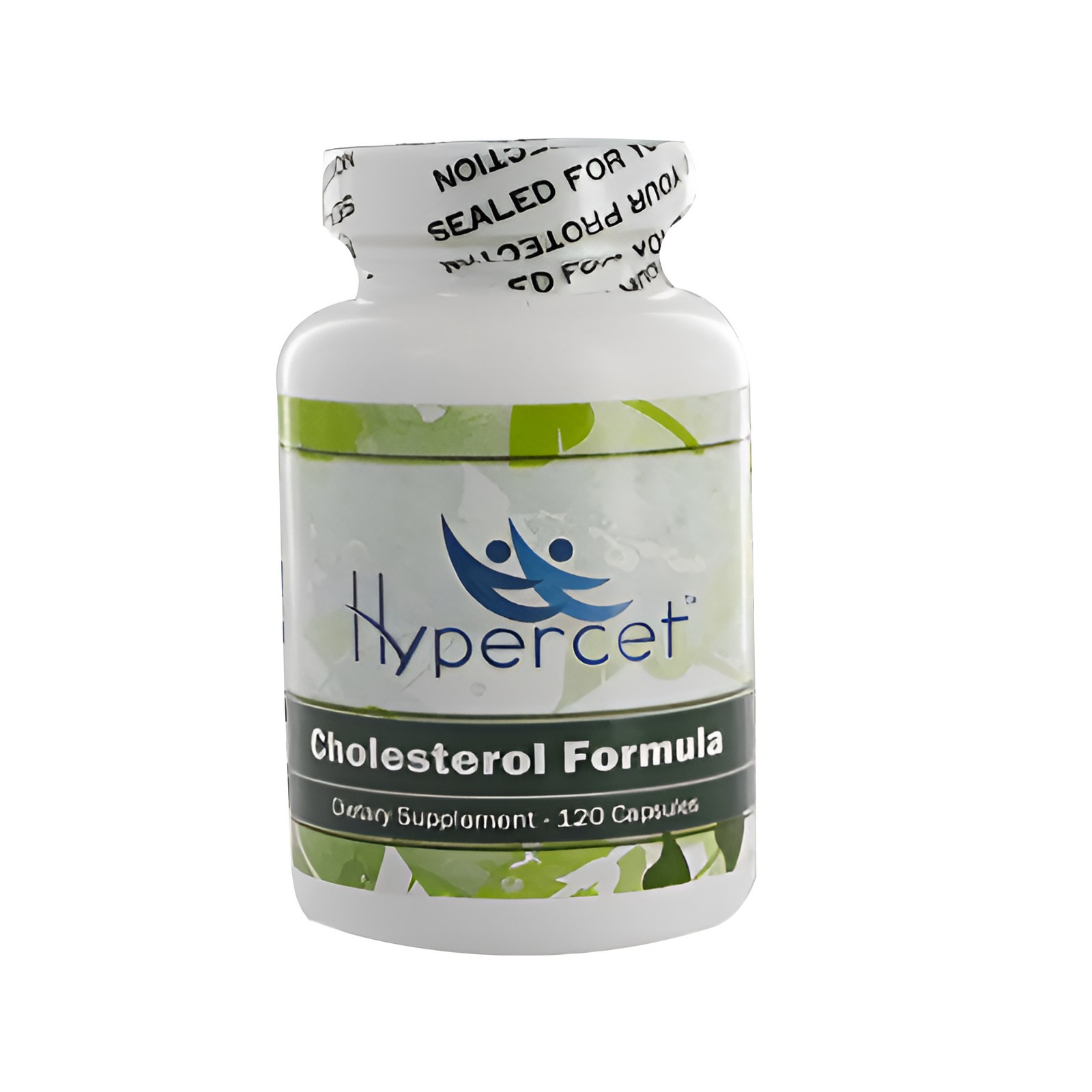
Hypercet Cholesterol Formula Dietary Supplement - 120 Capsules
Buy Now — opens in a new tab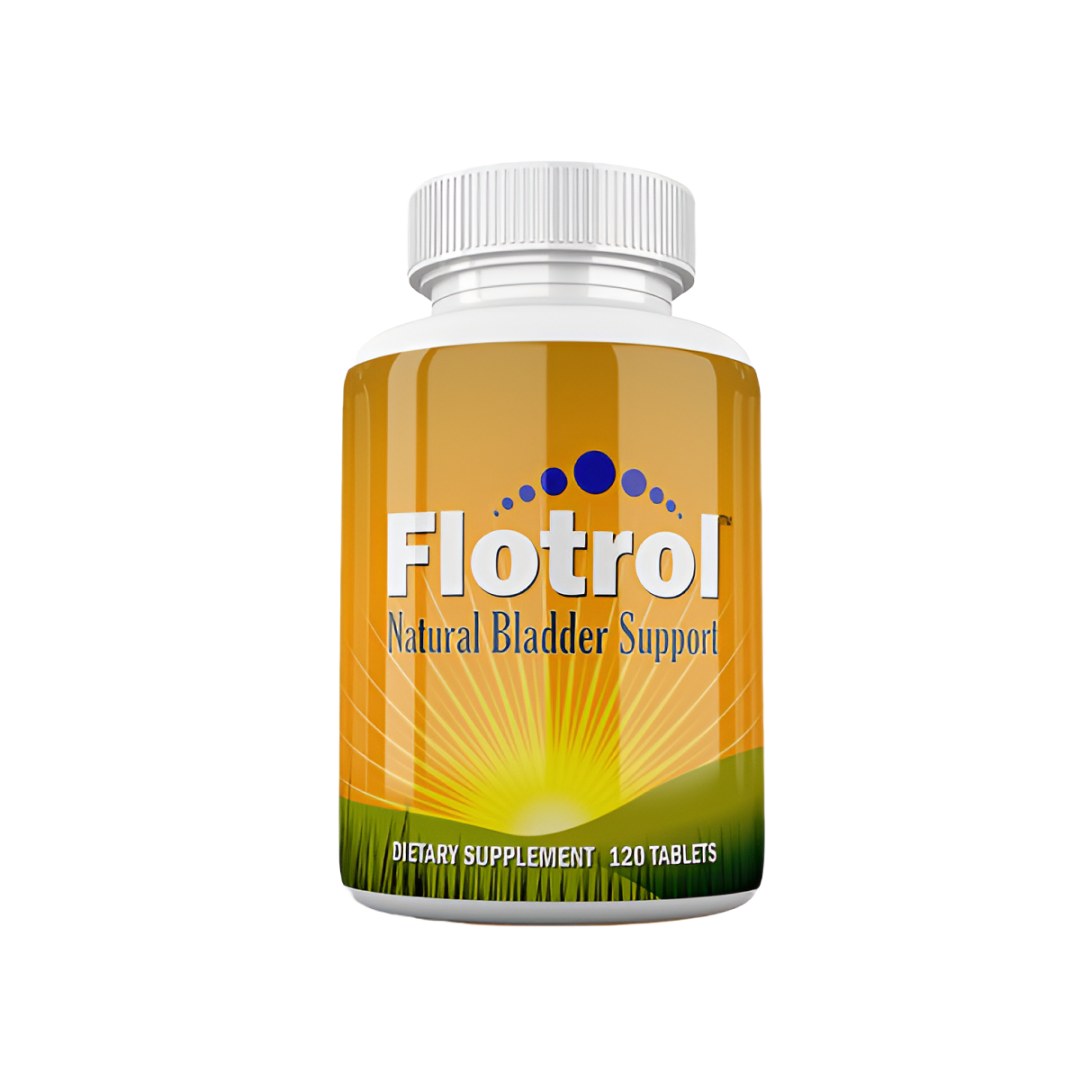
FloTrol Bladder & Urinary Health Support Dietary Supplement - 1 Bottle
Buy Now — opens in a new tab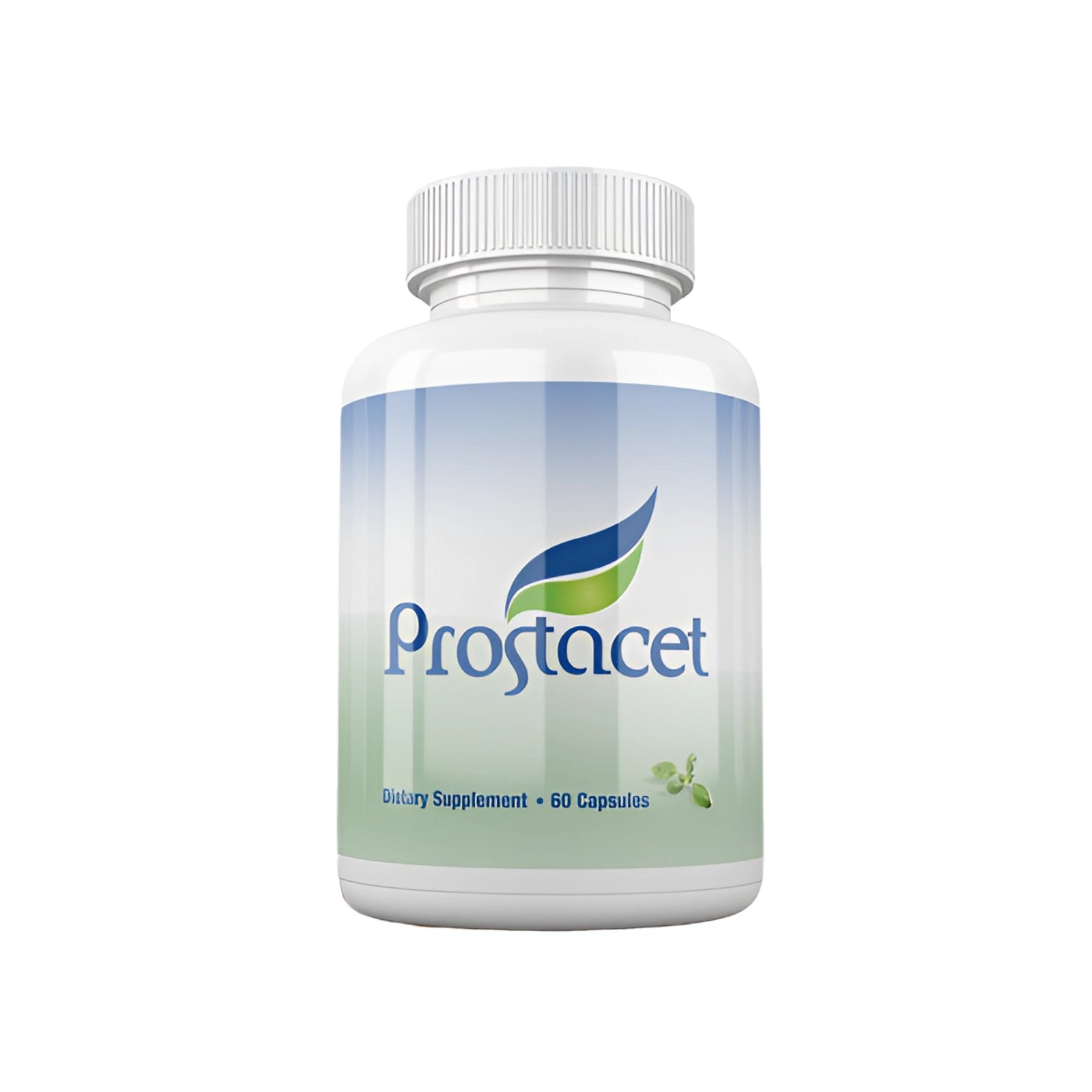
Prostacet Prostate Health Dietary Supplement - 60 Capsules
Buy Now — opens in a new tab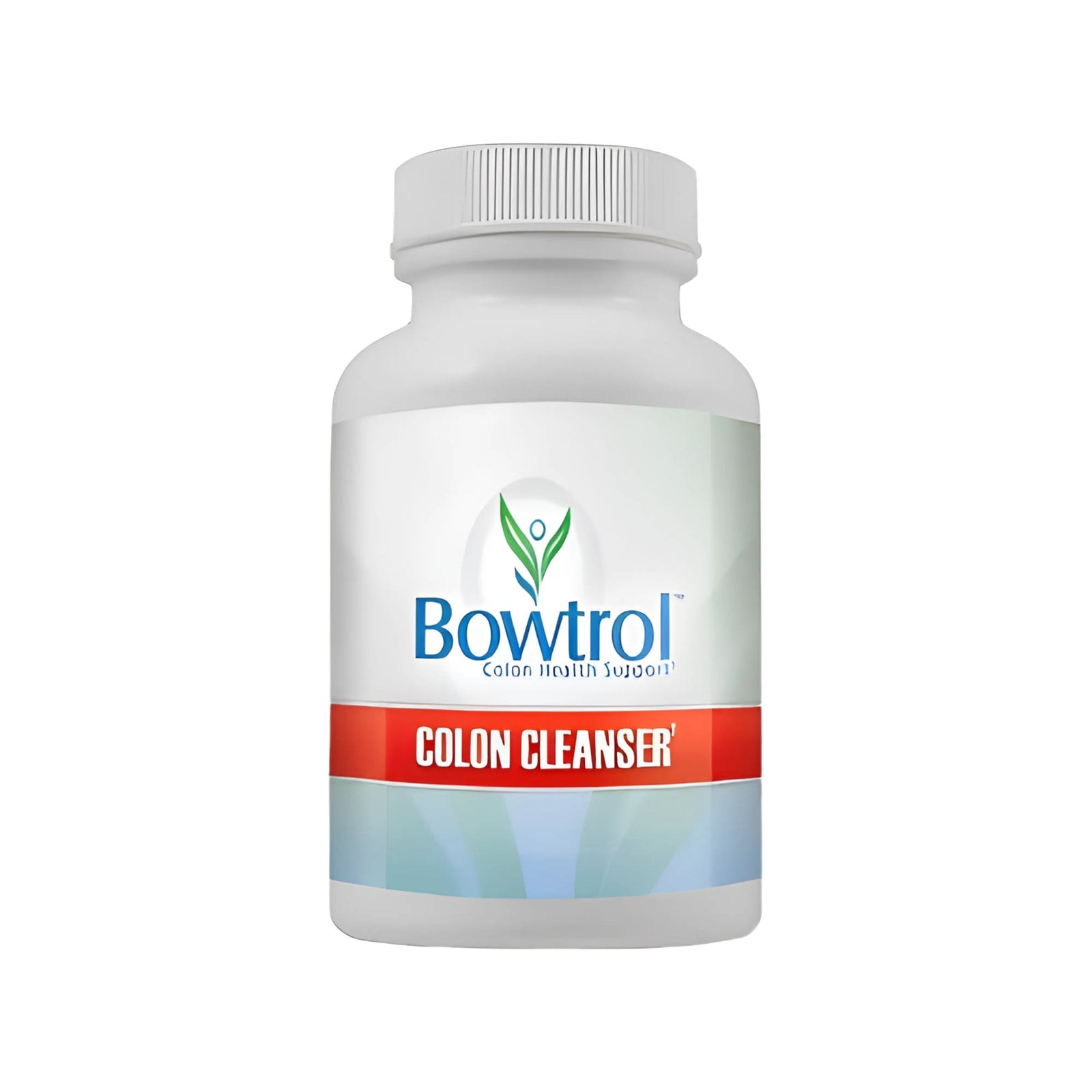
Bowtrol Colon Cleanser Digestive Health Supplement - 1 Bottle
Buy Now — opens in a new tabTurning advice about fiber and non-HDL cholesterol into a meal
“Eat more fiber” is easier advice to follow when it comes with a food and a meal. If your clinician has mentioned non-HDL cholesterol, ask how fiber fits with the other steps in your plan.
Published by How To Lose Weight Gallery · Request a correction
Which fiber foods fit a plan to improve non-HDL cholesterol?
“Eat more fiber” is easier advice to follow when it comes with a food and a meal. If your clinician has mentioned non-HDL cholesterol, ask how fiber fits with the other steps in your plan. Non-HDL is the total cholesterol in your blood minus the portion carried by HDL. The result includes LDL and other cholesterol-carrying particles linked with plaque. It is not a count of how many grams of fiber you ate. NHS explanation of cholesterol results
Look at the kind of fiber and where it will go
Soluble fiber is found in foods including oats, beans and some fruit. It can help lower cholesterol as part of an eating pattern. Insoluble fiber, present in foods such as wheat bran, serves other digestive functions. Many foods provide a mixture. A product labeled high fiber does not tell you at a glance how much of each type it supplies. MedlinePlus guide to soluble and insoluble fiber
Instead of purchasing several unfamiliar foods, choose a place for one ingredient. Stir cooked lentils into a tomato sauce you already make. Try oatmeal with a chopped pear for breakfast, or spoon white beans into vegetable soup. For a first attempt, use a quantity that suits your appetite and digestion. If you rarely eat beans, start with a small addition and gradually adjust to what works for you.
Compare the new meal with the one it replaced. Adding oats to a breakfast you weren't eating at all is a different change from choosing oats on a day when you would usually eat a buttery pastry. Your notes can be simple: which food, how often and whether you enjoyed it. If a fiber supplement is being considered, ask a pharmacist or clinician about suitability and timing with your medicines.
At follow-up, bring the laboratory report alongside that ordinary description of your meals. Ask if your clinician is using non-HDL, LDL or another measure to assess the overall plan. The answer can depend on the rest of your results and your individual cardiovascular history. Write down when the next blood test is due and what you should continue in the meantime.
Consider keeping a fiber-rich ingredient somewhere it will actually be used. A jar of oats stored near the breakfast bowls or a can of chickpeas next to the tomatoes gives the change an obvious starting point. If several people share the kitchen, put the intended meal beside it on the shopping list. That avoids using up the one ingredient a family member had planned for dinner and makes the next grocery trip easier to organize.
A workable first week might consist of identifying just one soup or breakfast you will happily make again. The recipe is something you can evaluate immediately. The longer-term cholesterol response needs a measurement and interpretation in context.
Further reading on this topic
Non-HDL Cholesterol Basics for High Fiber Foods; an original educational graphic with no patient data, medical thresholds, or treatment claims.
2 views · Published Oct 12, 2026
Creator: How To Lose Weight Gallery
Copyright: How To Lose Weight Gallery
Image license
Hypercet Cholesterol Formula Dietary Supplement - 120 Capsules
Buy Now — opens in a new tab
FloTrol Bladder & Urinary Health Support Dietary Supplement - 1 Bottle
Buy Now — opens in a new tab
Prostacet Prostate Health Dietary Supplement - 60 Capsules
Buy Now — opens in a new tab


