

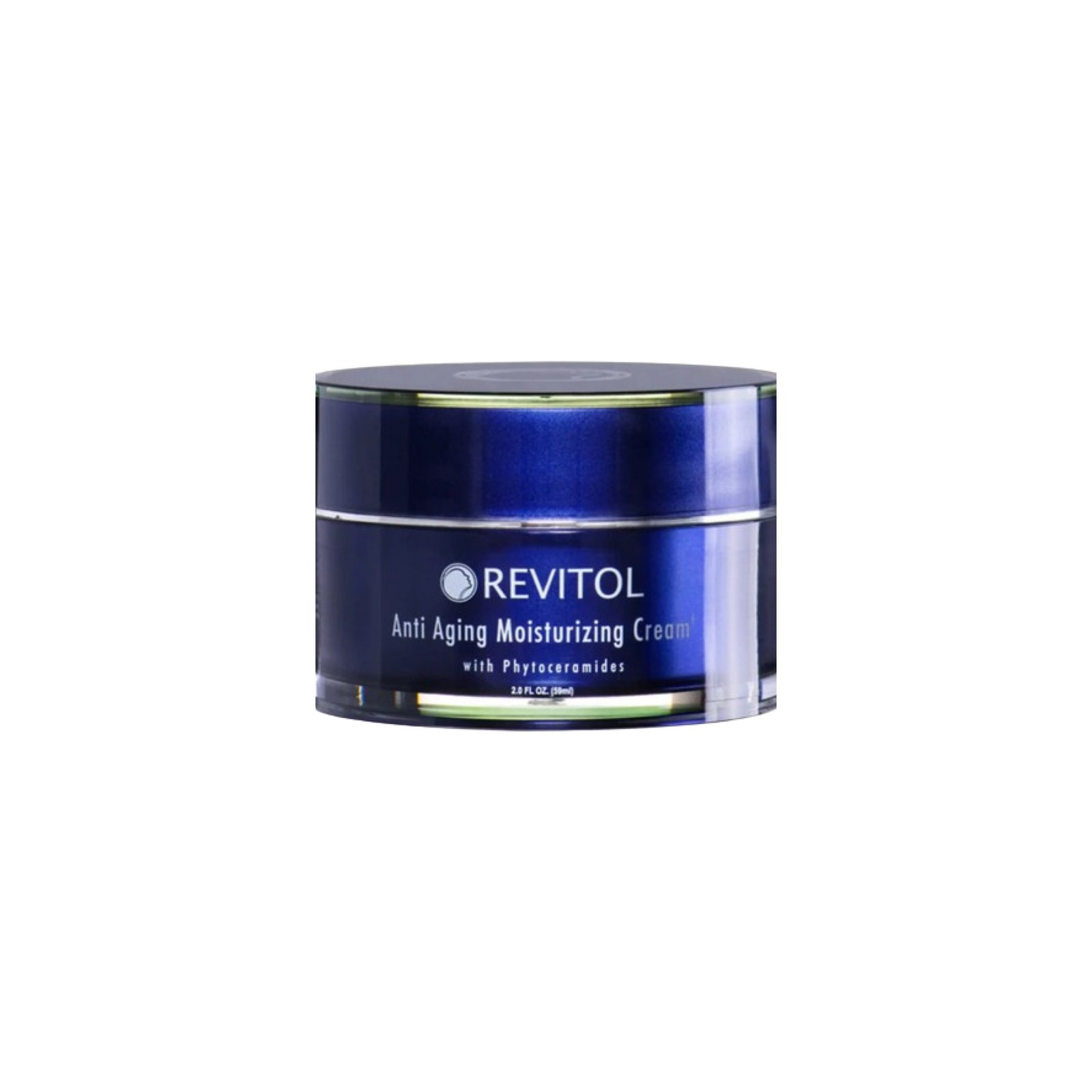
Revitol Anti-Aging Moisturizing Cream with Phytoceramides - 59 mL Jar
Buy Now — opens in a new tab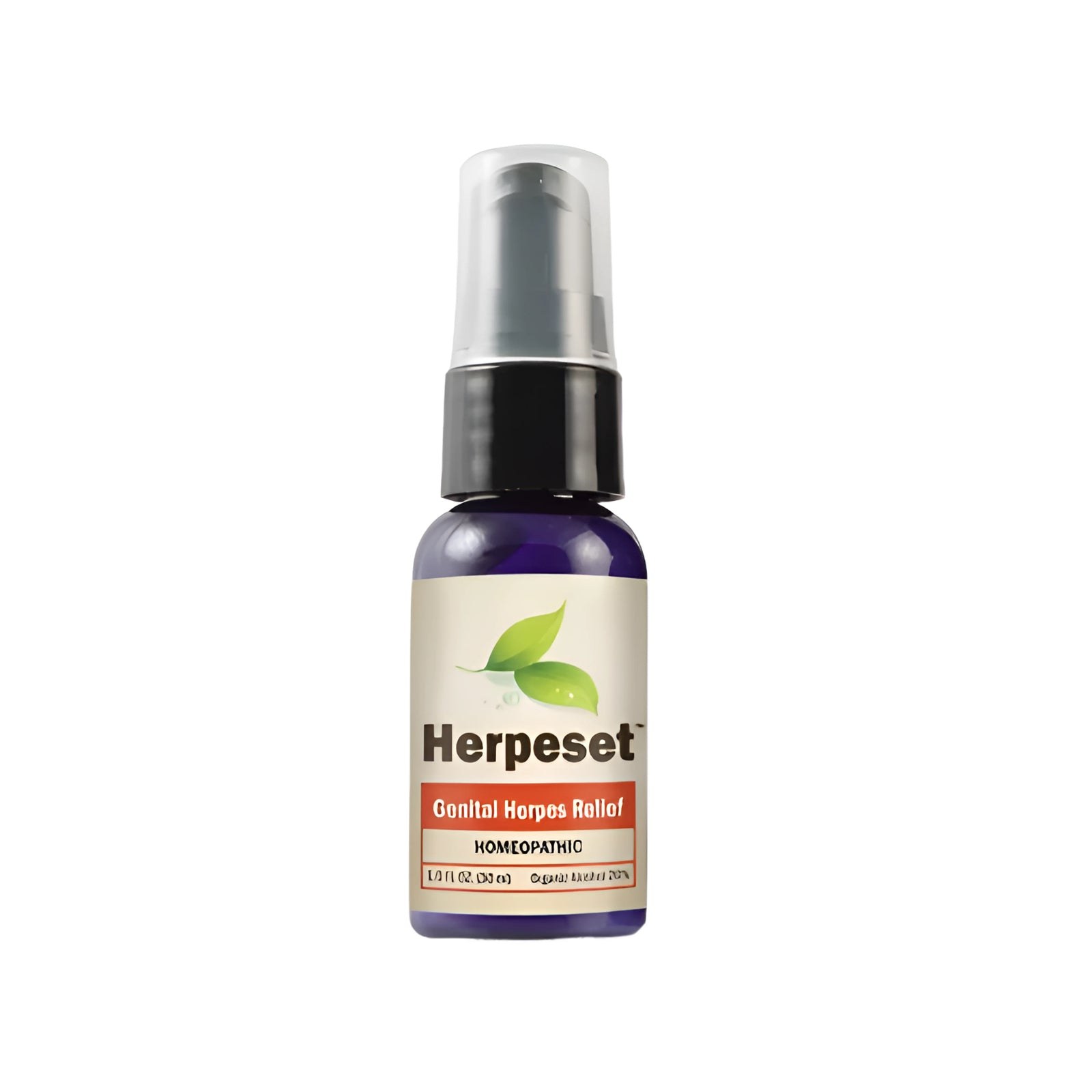
Herpeset Homeopathic Herpes & Cold Sore Care Spray - 30 mL Bottle
Buy Now — opens in a new tab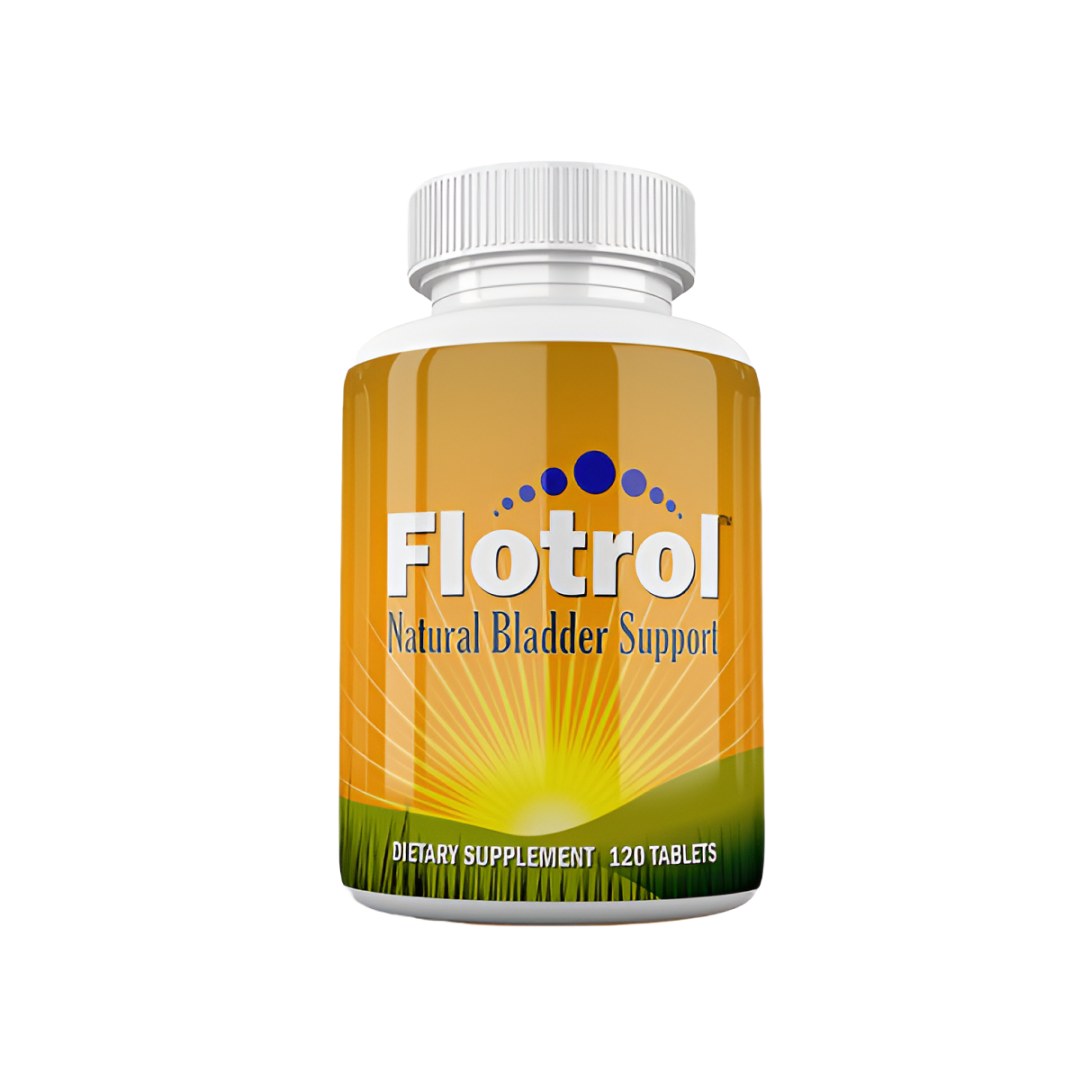
FloTrol Bladder & Urinary Health Support Dietary Supplement - 1 Bottle
Buy Now — opens in a new tab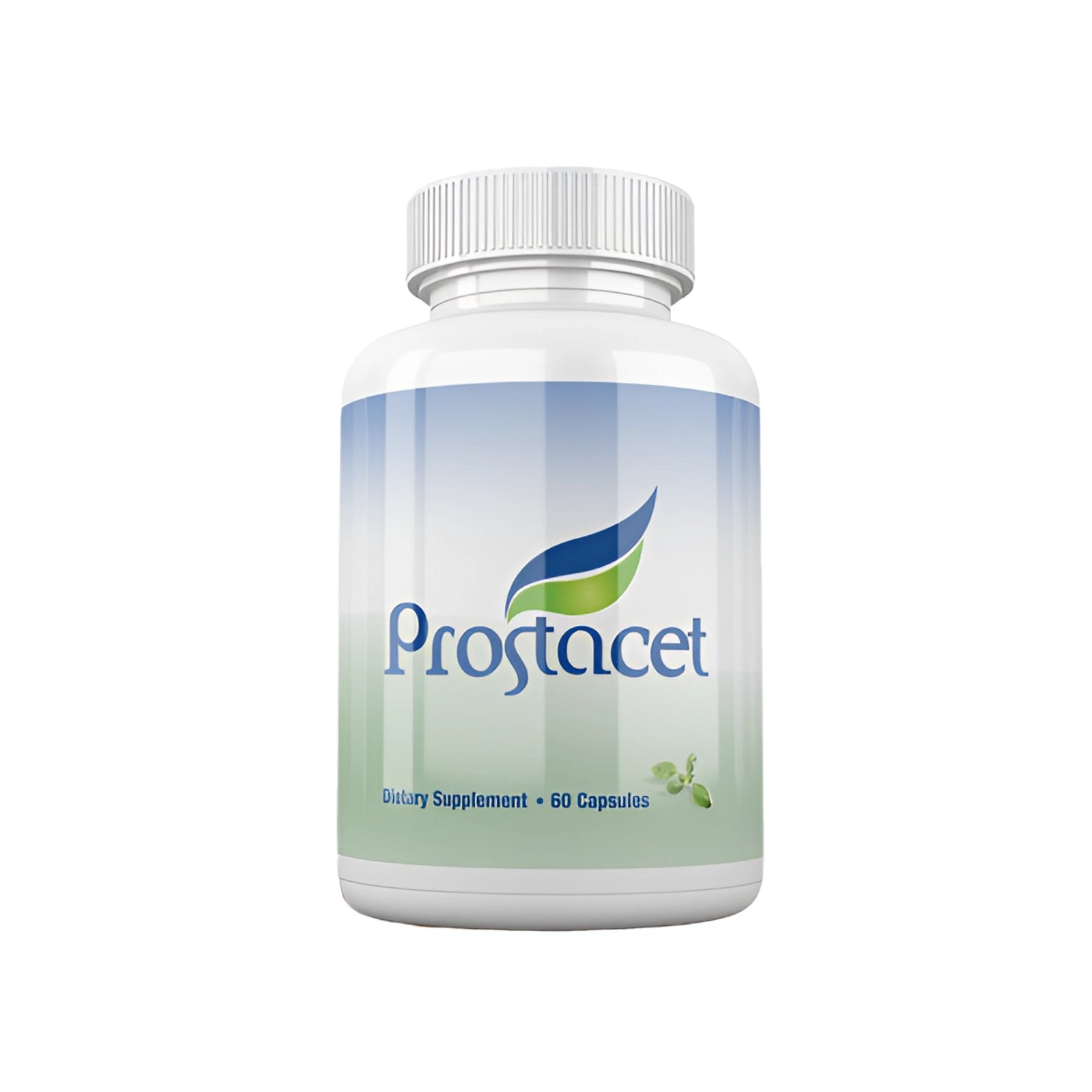
Prostacet Prostate Health Dietary Supplement - 60 Capsules
Buy Now — opens in a new tabOral Herpes Self-Care Guide
A cautious oral herpes guide for Oral Herpes Self-Care Education, focused on cold sore comfort and contact awareness, practical safety, and respectful self-care education.
Published by How To Lose Weight Gallery · Request a correction
Oral Herpes Self-Care Guide for Oral Herpes Self-Care Education
This is general educational health information about oral herpes. Self-care means comfort, hygiene, and awareness; it does not cure herpes, remove latent HSV from the body, confirm a diagnosis, or replace professional evaluation. Antiviral medicines are commonly used in medical management, but this guide does not select a medicine, provide a dose or schedule, advise switching or stopping treatment, or replace a clinician or pharmacist.
How the idea fits Oral Herpes Self-Care Education
The board topic provides the everyday setting, while the health focus remains cold sore comfort and contact awareness. The practical action is to keep mouth-contact items personal, wash hands, and avoid direct oral contact during active symptoms. That can support comfort or reduce avoidable irritation and contact risk, but it cannot promise prevention, shorten every outbreak, or prove why symptoms occurred.
Keep the context clear
This article concerns oral herpes or cold sores around the mouth. It does not automatically apply every oral-care detail to genital symptoms. During active oral symptoms, avoiding kissing, oral contact, and sharing items that directly touch the mouth can reduce opportunities for transmission. HSV can also spread without an obvious sore, so visible healing is not a universal guarantee of zero risk.
A cautious self-care routine
Begin with gentle hygiene and as little unnecessary handling as possible. Keep the affected area reasonably clean, avoid picking or rubbing, and choose clothing or routines that reduce irritation for the location involved. Support ordinary hydration, balanced eating, and rest according to comfort; do not overhydrate, fast, follow a restrictive herpes diet, or use supplements as a guaranteed treatment. Use a short dated note if tracking helps. Record the location and duration, but do not let a journal become a self-diagnosis tool or an obsessive monitoring routine. Normal meals, fluids, and rest can support general comfort. They do not flush HSV from the body, guarantee a shorter episode, or replace evaluation and treatment when clinically appropriate.
Transmission-aware care
Avoid direct contact with active lesions and wash hands after touching the area. Keep relevant personal items personal during symptoms. These are practical risk-reduction steps, not a claim that transmission is otherwise impossible or inevitable. Never use shame-based language: HSV does not define a person's cleanliness, character, relationships, or ability to live a full life.
What to avoid
Do not use bleach, harsh disinfectants, concentrated acids, abrasive substances, burning, cutting, popping, toothpaste cures, or undiluted essential oils. Do not claim that garlic, vinegar, lysine, immune boosters, detoxes, fasting, or a particular food eradicates HSV. Do not substitute herbs, supplements, oils, or diet changes for prescribed care.
When professional care matters
Professional evaluation is important for a first suspected outbreak, an uncertain diagnosis, severe or unusually extensive symptoms, significant pain, difficulty eating or drinking, significant trouble urinating, frequent troublesome recurrences, immune compromise, or symptoms that are not improving as expected. Other conditions can resemble herpes, so a photograph or symptom list alone cannot confirm HSV.
The takeaway is practical: oral herpes self-care guide can help you keep mouth-contact items personal, wash hands, and avoid direct oral contact during active symptoms, while keeping expectations realistic. Use gentle measures, preserve the oral, genital, or general context, and bring questions about diagnosis, medication, pregnancy, severe symptoms, or transmission to a qualified professional.
Further reading on this topic
Oral Herpes Self-Care Guide for Weight Loss for Women; general oral herpes self-care education without diagnosis, prescription, cure, or unsafe home-remedy claims.
5 views · Published Oct 12, 2026
Creator: How To Lose Weight Gallery
Copyright: How To Lose Weight Gallery
Image license
Revitol Anti-Aging Moisturizing Cream with Phytoceramides - 59 mL Jar
Buy Now — opens in a new tab
Herpeset Homeopathic Herpes & Cold Sore Care Spray - 30 mL Bottle
Buy Now — opens in a new tab
FloTrol Bladder & Urinary Health Support Dietary Supplement - 1 Bottle
Buy Now — opens in a new tab


