

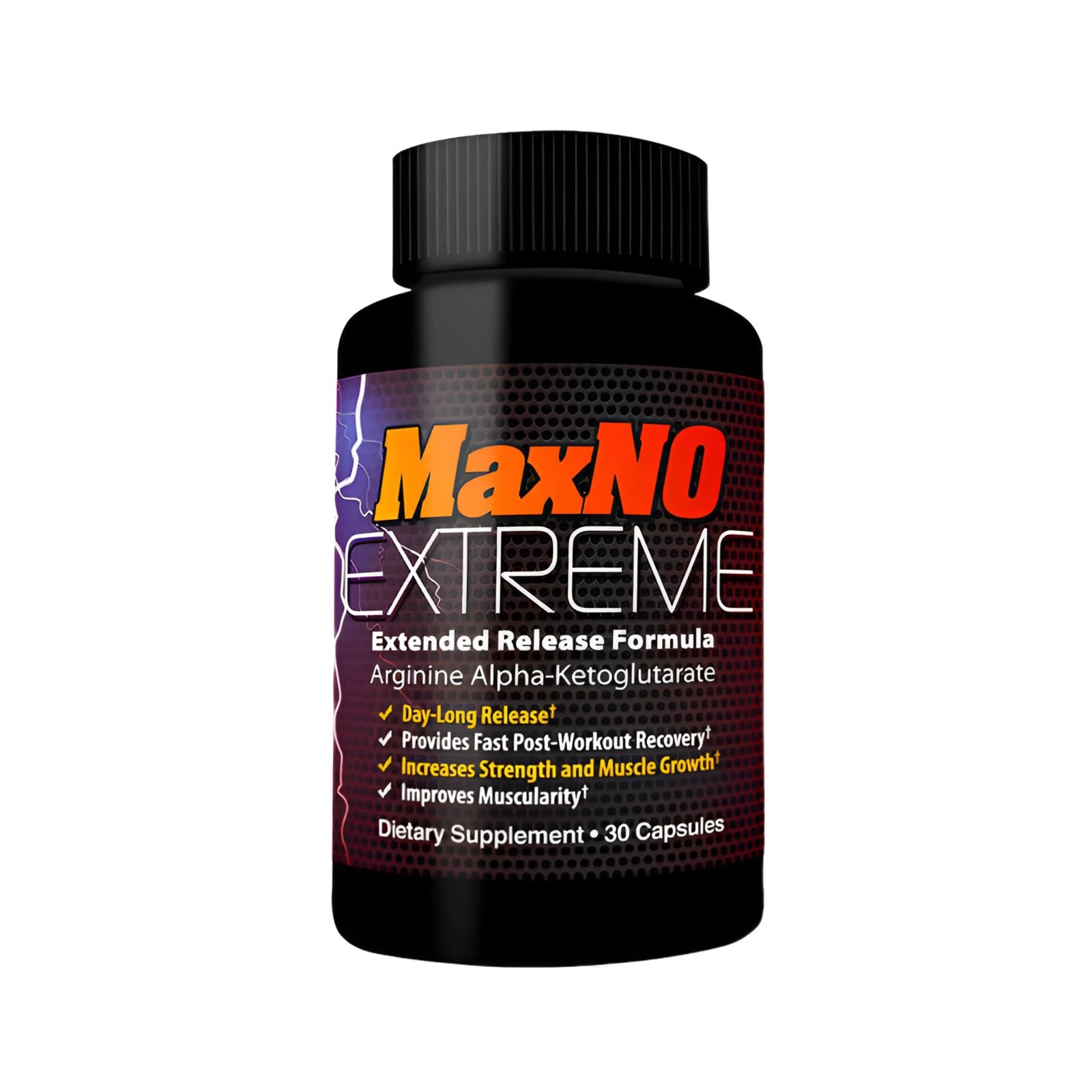
MaxNO Extreme Arginine Alpha-Ketoglutarate Supplement - 30 Capsules
Buy Now — opens in a new tab
Prostacet Prostate Health Dietary Supplement - 60 Capsules
Buy Now — opens in a new tab
FloTrol Bladder & Urinary Health Support Dietary Supplement - 1 Bottle
Buy Now — opens in a new tab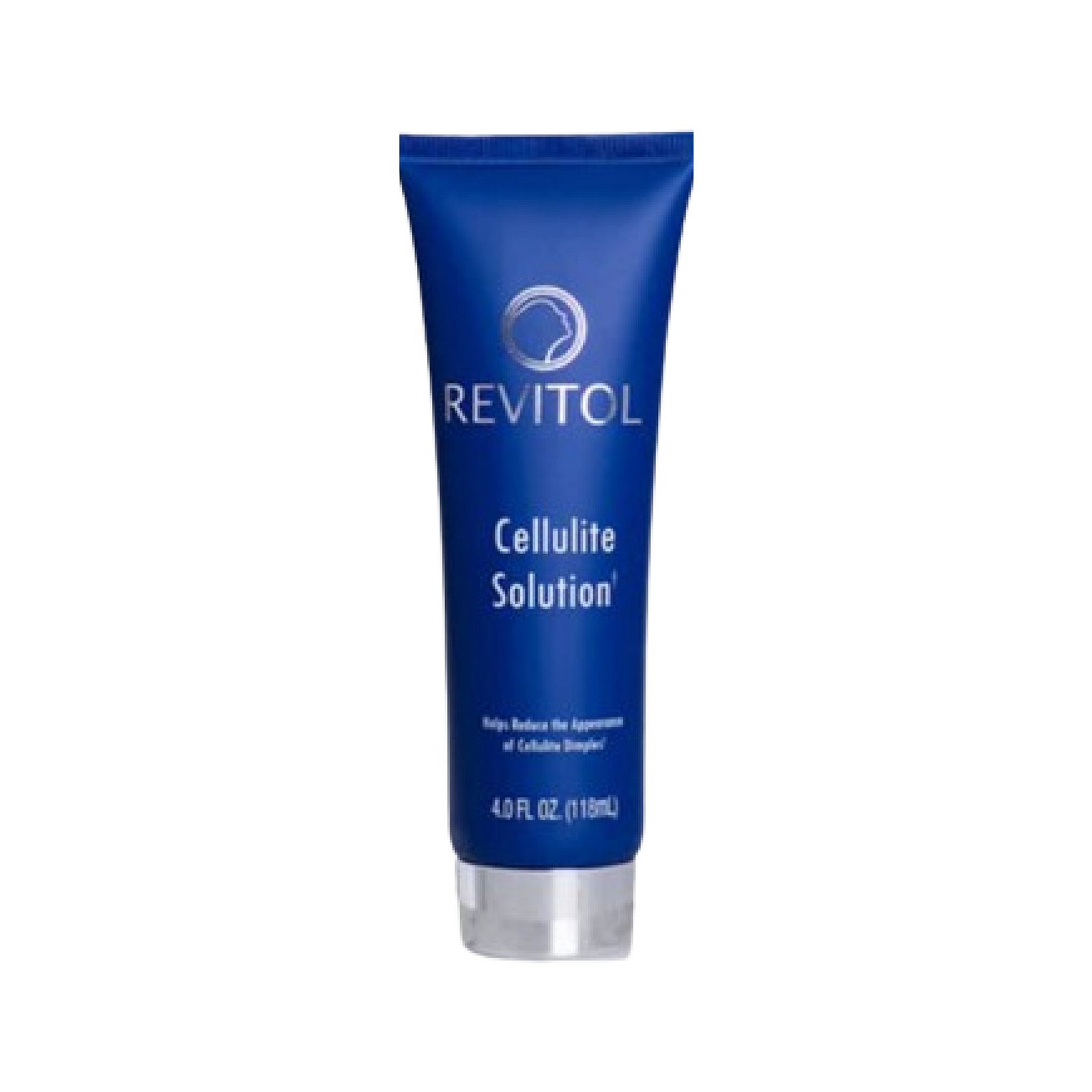
Revitol Cellulite Solution Body Cream with Caffeine - 118 mL Tube
Buy Now — opens in a new tabCardio Calorie Estimates Are Approximate
Treat cardio calorie numbers as estimates because activity mode, effort, time, rest, body size, fitness, health, and devices vary.
A cardio calorie display is an estimate, not a precise measurement or promised outcome. Activity mode, effort, time, rest, body size, fitness, health, environment, and the device or formula used can all change the number. Compare broad trends while also noticing symptoms and recovery.
Define the activity before comparing estimates. Cycling, brisk walking, dancing, swimming, rowing, and low-impact circuits involve different movement patterns. Record duration, work and rest intervals, resistance, incline, route, and meaningful modifications.
Wearables and machines may use heart rate, speed, power, profile settings, or generic equations. Check settings and device placement, but expect variation. Heat, caffeine, stress, medication, dehydration, and sensor contact can change the display.
Avoid using one estimate to justify skipping meals or adding punishing exercise. Regular food, hydration according to thirst and clinical advice, sleep, and easier days support training. Fitness can also be reviewed through consistency, pace at a comfortable effort, confidence, and recovery.
Build gradually and choose equipment, surfaces, and intensity that match experience and health. Stop and seek urgent care for chest pain, fainting, severe breathlessness, sudden weakness, or another emergency symptom. Clinical conditions, pregnancy, injury, or major changes deserve individualized advice.
For Cardio Calorie Estimates Are Approximate, use the serving size on the package of the ingredient you actually used. Scale the numbers to your amount. If you prepare a batch, estimate the batch first and then the part you served. Count any separate toppings too.
Calories are one part of deciding whether Cardio Calorie Estimates Are Approximate suits you. Compare the portion you actually eat and the role of the main component with what you need from this meal. Check ingredients if there is an allergy or a prescribed food restriction. Look at taste, cost and convenience when choosing between two practical options.
Supplements may interact with medicines. Seek individualized guidance for pregnancy, breastfeeding, diabetes, medical conditions, allergies, or an eating-disorder history. Stop tracking and seek qualified support if it becomes rigid, distressing, or linked to restriction, bingeing, purging, or punishment.
Review how the choice affected hunger, energy, satisfaction, convenience, and waste. Make one practical adjustment at a time rather than chasing a perfect number.
Source context: U.S. Food and Drug Administration guidance on serving size and Nutrition Facts labels.
#CardioWorkoutsForWeightLoss #CardioTraining #CalorieEstimate #ExerciseSafety #FitnessForWeightLoss
Why cardio calorie estimates are approximate and best used as trends rather than exact numbers.
1 views · Published Oct 3, 2026
Creator: How To Lose Weight Gallery
Copyright: How To Lose Weight Gallery
Image license
MaxNO Extreme Arginine Alpha-Ketoglutarate Supplement - 30 Capsules
Buy Now — opens in a new tab
Prostacet Prostate Health Dietary Supplement - 60 Capsules
Buy Now — opens in a new tab
FloTrol Bladder & Urinary Health Support Dietary Supplement - 1 Bottle
Buy Now — opens in a new tab


