

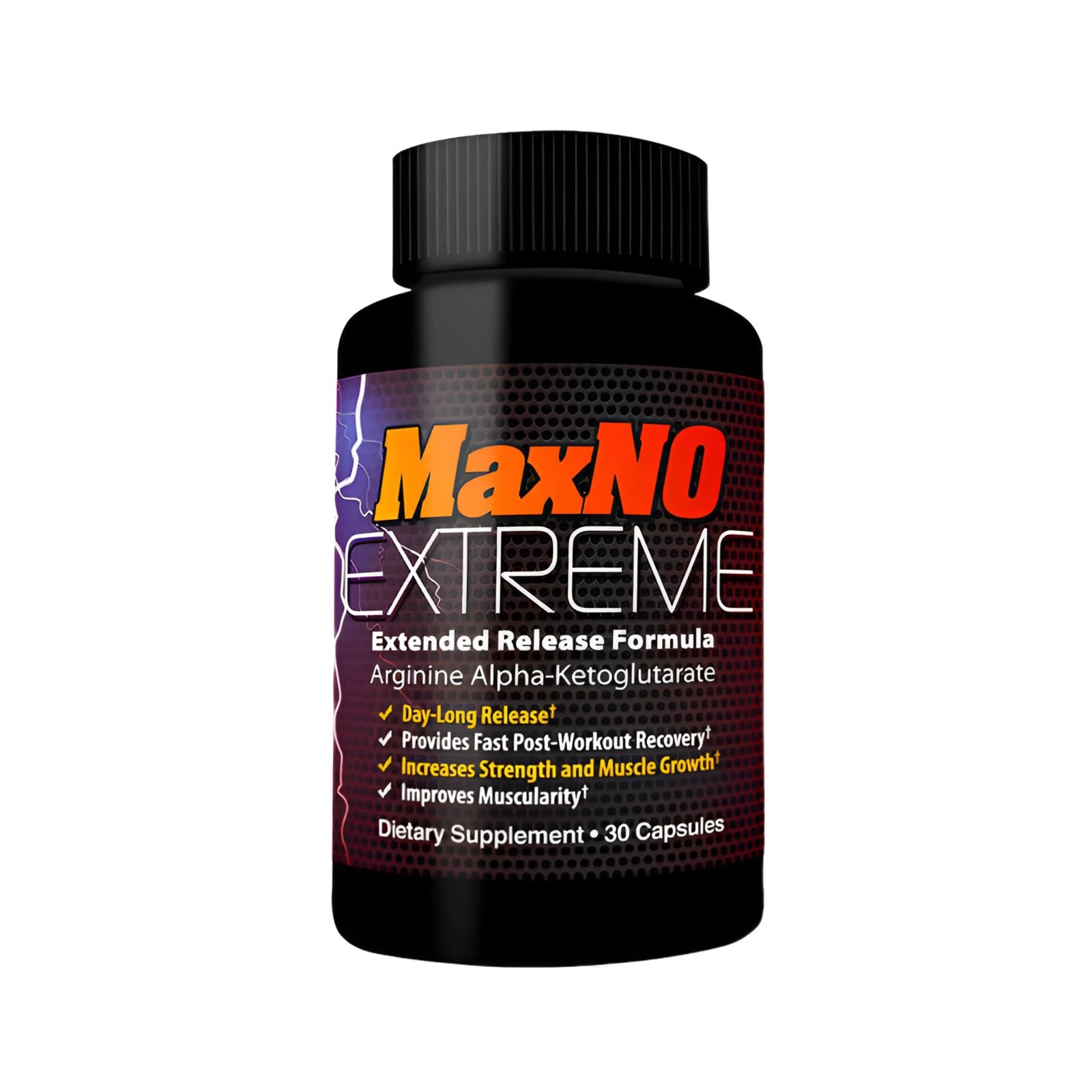
MaxNO Extreme Arginine Alpha-Ketoglutarate Supplement - 30 Capsules
Buy Now — opens in a new tab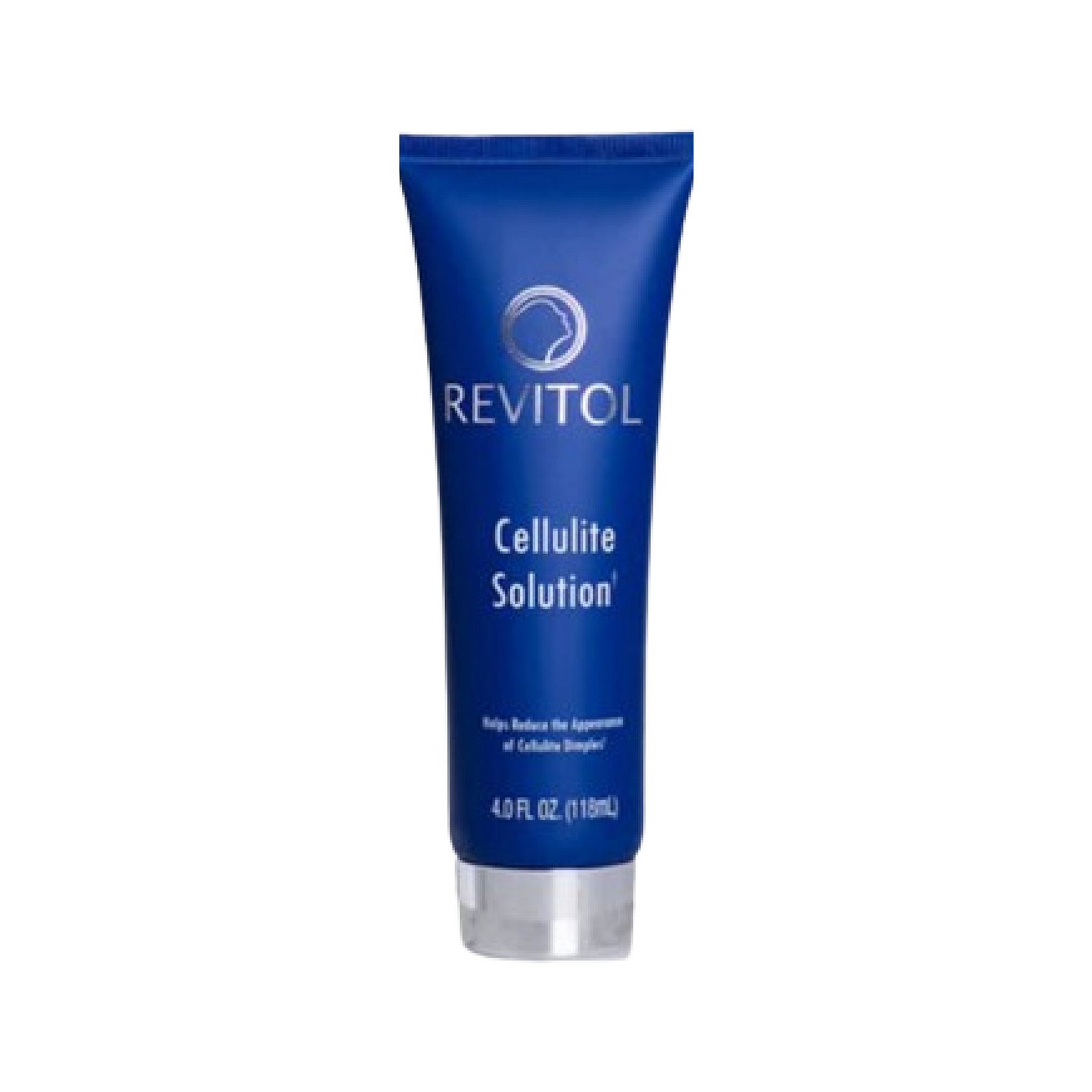
Revitol Cellulite Solution Body Cream with Caffeine - 118 mL Tube
Buy Now — opens in a new tab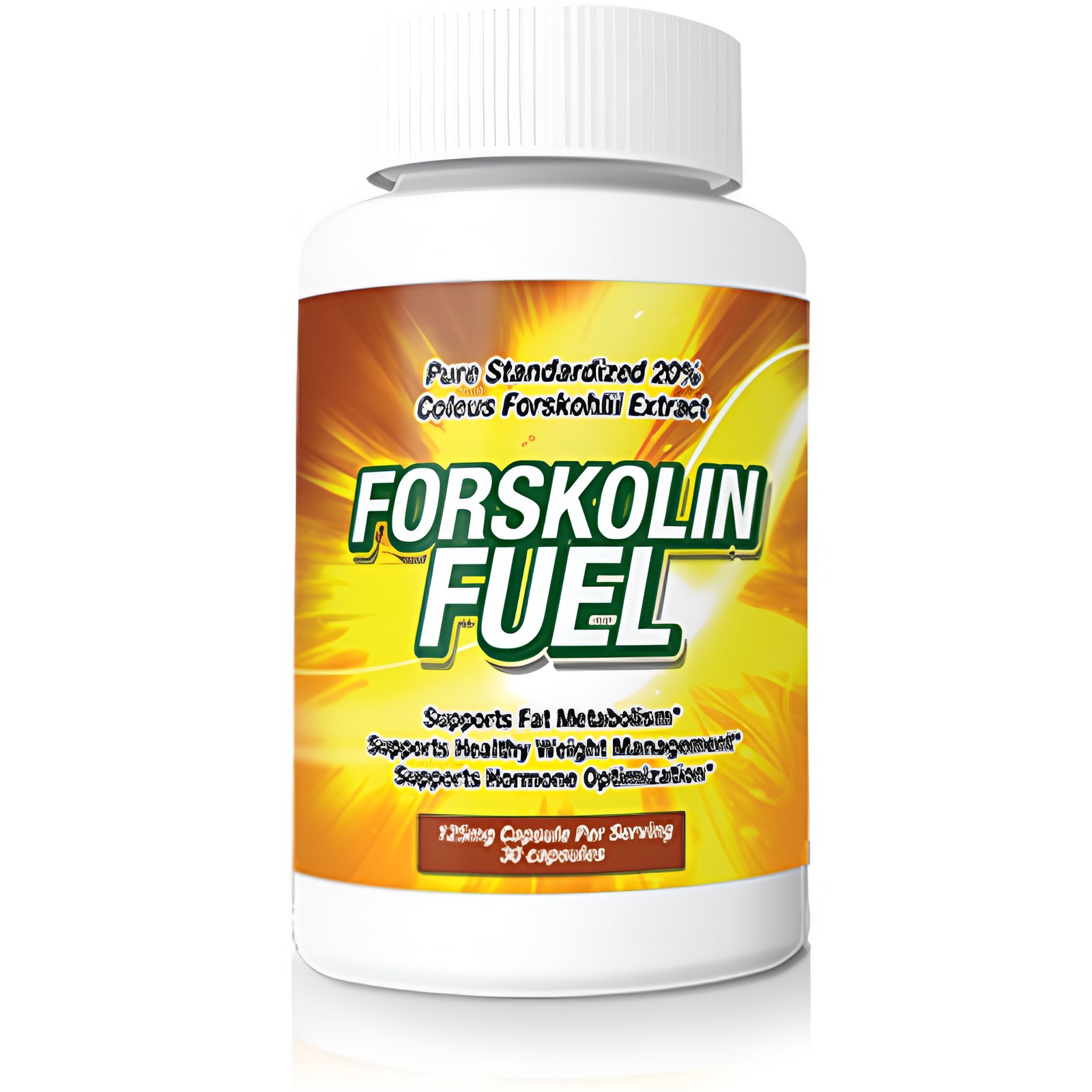
Forskolin Fuel Coleus Forskohlii Extract Dietary Supplement - 1 Bottle
Buy Now — opens in a new tab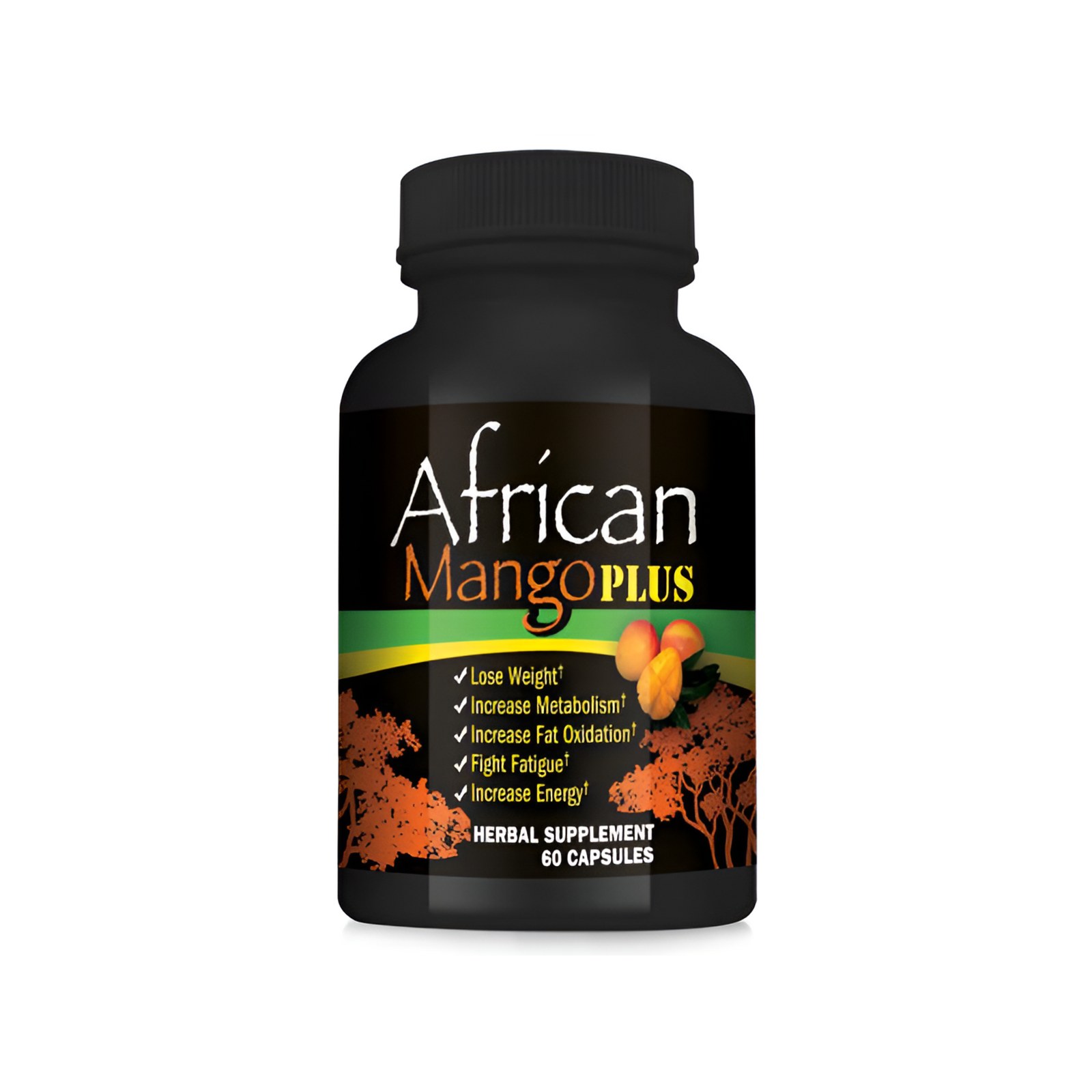
African Mango Plus Herbal Supplement - 60 Capsules
Buy Now — opens in a new tabWalking Calorie Estimates Are Individual
Treat walking calorie numbers as estimates because pace, time, body size, terrain, fitness, conditions, and devices vary.
A walking calorie number is an estimate, not a personal guarantee. Pace, time, body size, terrain, fitness, weather, mobility, health, and the device or formula used can all change the result. Use the number as context while also noticing effort, comfort, and recovery.
Define the walk before comparing estimates. Record duration, approximate pace, route, incline, surface, stops, carried weight, and assistive equipment when relevant. A relaxed indoor walk and a brisk hilly route should not be treated as the same activity.
Wearables and exercise machines use models that may rely on profile settings and sensor data. Check that age, body information, and device placement are current, but avoid treating the display as a precise measurement of energy expenditure.
Do not automatically eat less or add more exercise because one estimate looks low. Regular meals, hydration according to thirst and clinical advice, sleep, strength, mobility, and recovery remain important. Hunger and energy needs can vary from day to day.
Start at an appropriate level and increase gradually. Stop and seek urgent care for chest pain, fainting, severe breathlessness, or other emergency symptoms. People with heart, lung, metabolic, joint, balance, pregnancy, or mobility concerns should seek individualized guidance before major changes.
For Walking Calorie Estimates Are Individual, use the serving size on the package of the ingredient you actually used. Scale the numbers to your amount. If you prepare a batch, estimate the batch first and then the part you served. Count any separate toppings too.
Calories are one part of deciding whether Walking Calorie Estimates Are Individual suits you. Compare the portion you actually eat and the role of the main component with what you need from this meal. Check ingredients if there is an allergy or a prescribed food restriction. Look at taste, cost and convenience when choosing between two practical options.
Supplements may interact with medicines. Seek individualized guidance for pregnancy, breastfeeding, diabetes, medical conditions, allergies, or an eating-disorder history. Stop tracking and seek qualified support if it becomes rigid, distressing, or linked to restriction, bingeing, purging, or punishment.
Review how the choice affected hunger, energy, satisfaction, convenience, and waste. Make one practical adjustment at a time rather than chasing a perfect number.
Source context: U.S. Food and Drug Administration guidance on serving size and Nutrition Facts labels.
#WalkingForWeightLoss #WalkingWorkout #CalorieEstimate #ExerciseSafety #FitnessForWeightLoss
Factors that make walking calorie estimates individual rather than exact.
1 views · Published Oct 3, 2026
Creator: How To Lose Weight Gallery
Copyright: How To Lose Weight Gallery
Image license
MaxNO Extreme Arginine Alpha-Ketoglutarate Supplement - 30 Capsules
Buy Now — opens in a new tab
Revitol Cellulite Solution Body Cream with Caffeine - 118 mL Tube
Buy Now — opens in a new tab
Forskolin Fuel Coleus Forskohlii Extract Dietary Supplement - 1 Bottle
Buy Now — opens in a new tab


