

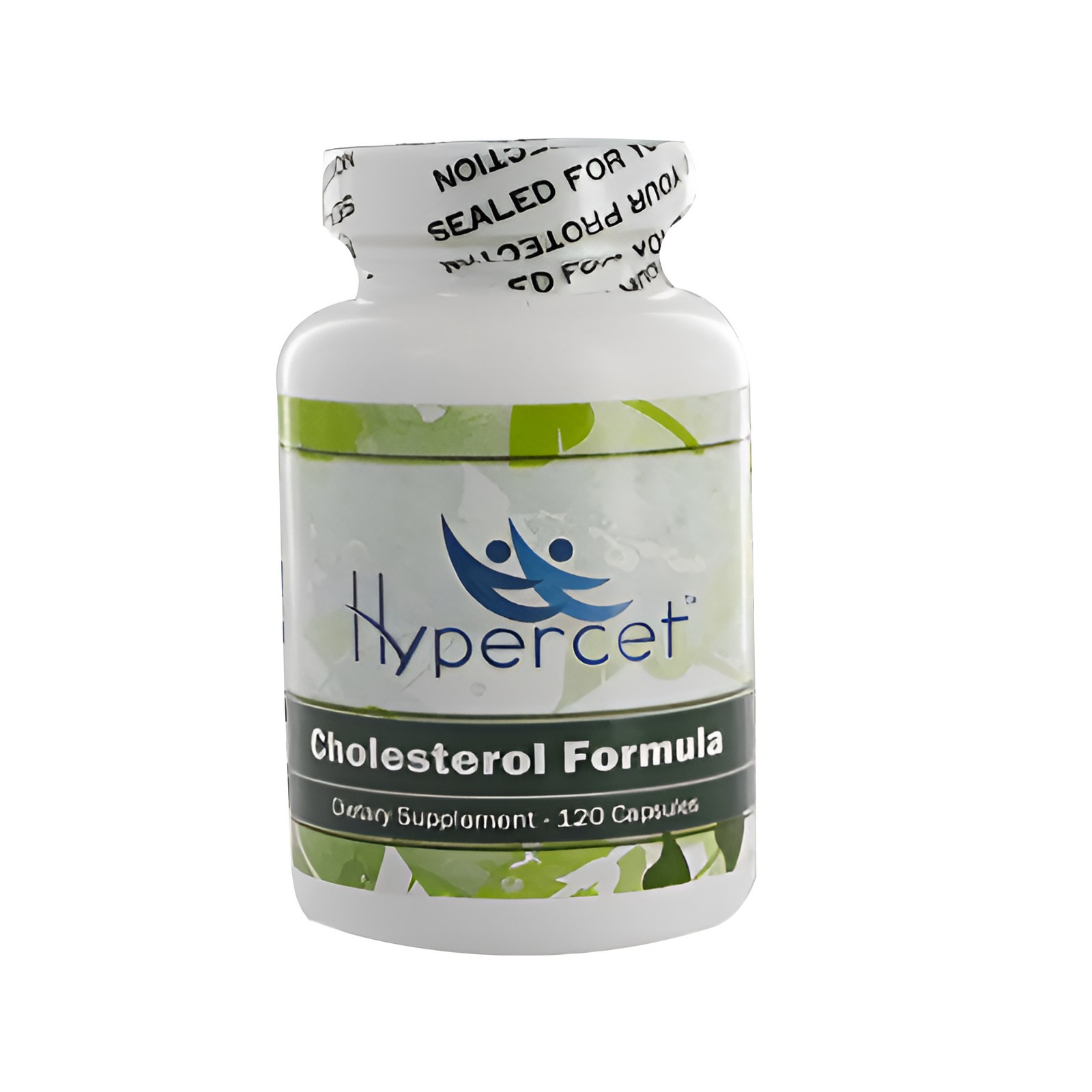
Hypercet Cholesterol Formula Dietary Supplement - 120 Capsules
Buy Now — opens in a new tab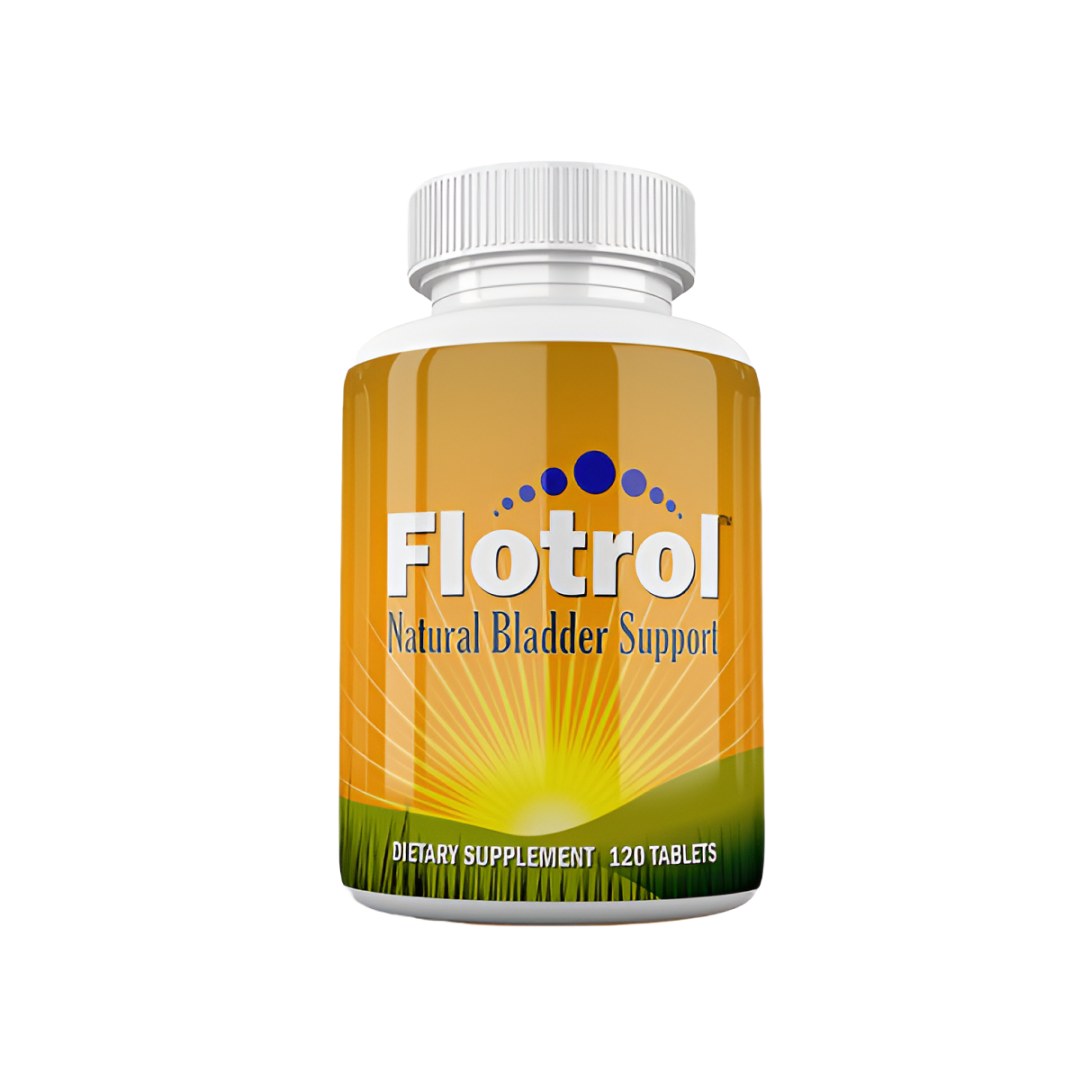
FloTrol Bladder & Urinary Health Support Dietary Supplement - 1 Bottle
Buy Now — opens in a new tab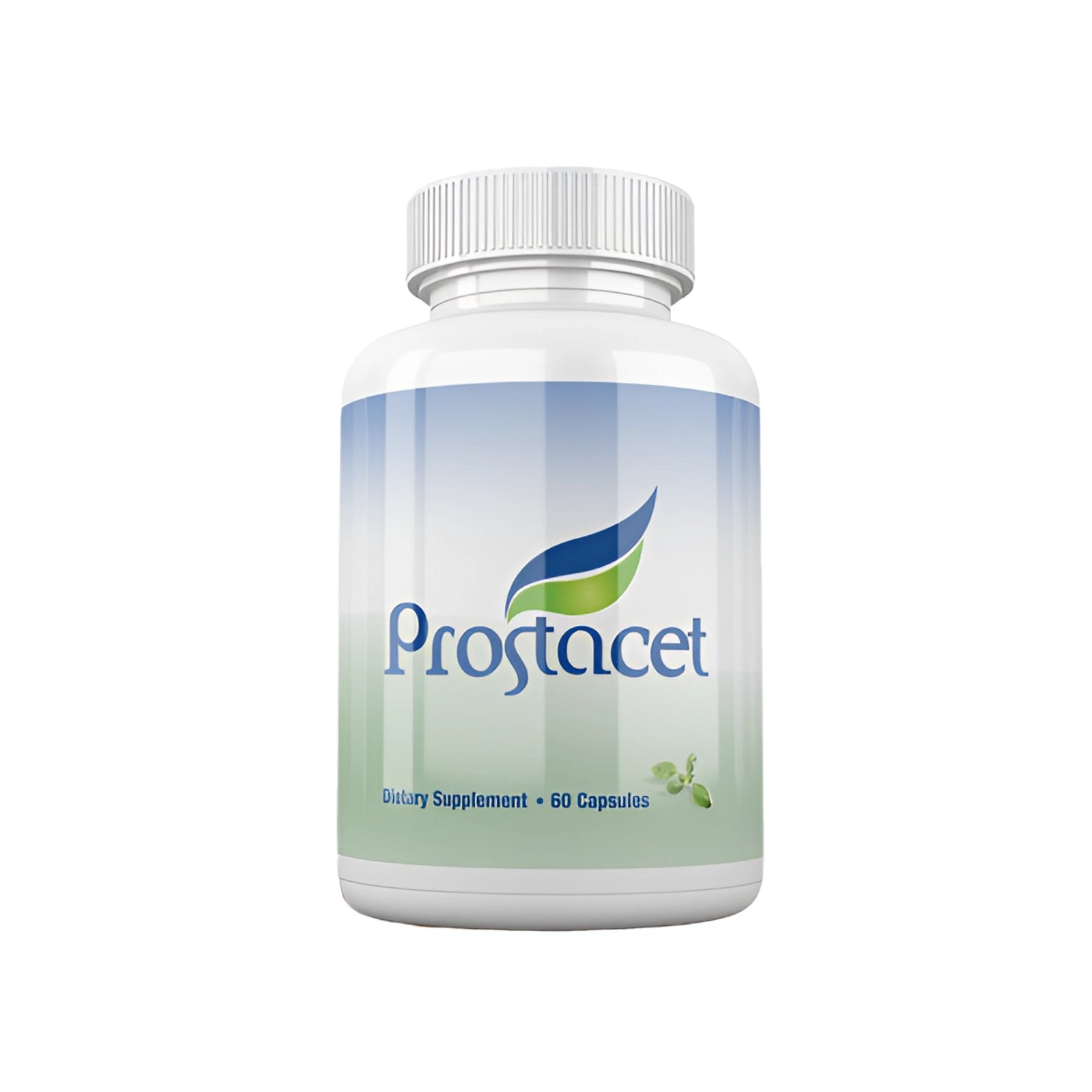
Prostacet Prostate Health Dietary Supplement - 60 Capsules
Buy Now — opens in a new tab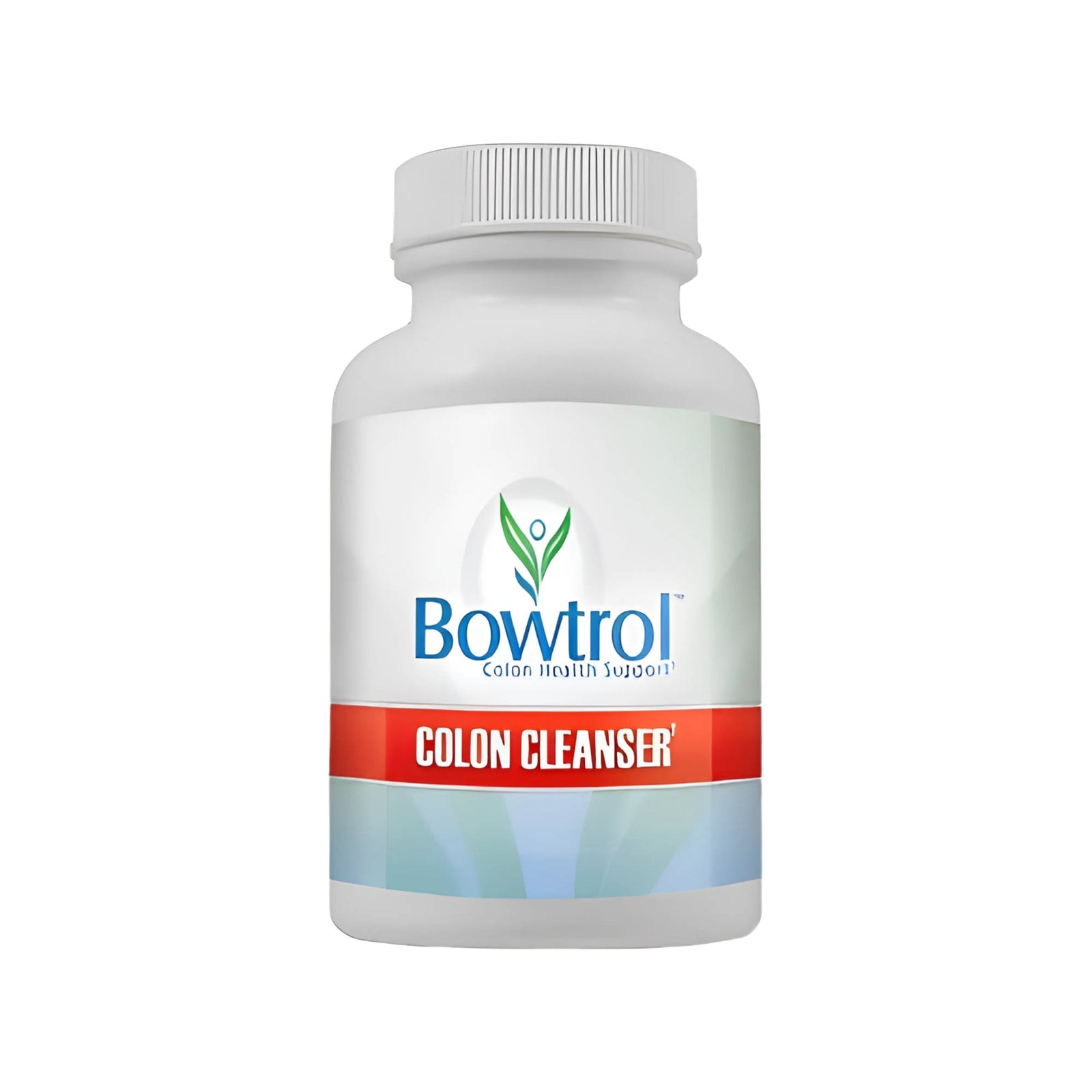
Bowtrol Colon Cleanser Digestive Health Supplement - 1 Bottle
Buy Now — opens in a new tabComparing the fats in a café salad, deli sandwich and packed bowl
A salad from a café, a deli sandwich and a packed bowl can all fit into a working week. They can also differ markedly in their main ingredients even when all three are labeled “light.” If you have been advised to lower LDL, it helps to look at a few lunches you order regularly.
Published by How To Lose Weight Gallery · Request a correction
Reading LDL and HDL while planning lunches away from home
A salad from a café, a deli sandwich and a packed bowl can all fit into a working week. They can also differ markedly in their main ingredients even when all three are labeled “light.” If you have been advised to lower LDL, it helps to look at a few lunches you order regularly. Ask where the saturated fat comes from and what you would enjoy in its place.
LDL and HDL refer to particles that carry cholesterol. An excess of LDL can contribute to plaque in arteries. HDL helps return some cholesterol to the liver. You cannot subtract one number from the other to decide whether lunch habits are fine. Ask your clinician which measure and goal apply to you. American Heart Association’s guide to cholesterol levels
Try the sandwich-counter comparison
At a deli, start with the filling. A sandwich built around salami, cheese and butter offers different choices for substitution than one filled with roasted vegetables. You might order a whole-grain roll with hummus, cucumber, tomato and peppers. If hummus is unavailable, ask for leftover-style roasted chicken and mustard, or make a bean spread the night before. Ask for sauce on the side if you would like to taste it first.
If you are eating at a shared workplace table, consider how the food will travel. Place wet tomato slices in a separate compartment. Mash white beans with lemon and black pepper until thick enough to hold on bread. Add a separate piece of fruit if your lunch break is short and fresh produce is hard to buy nearby. Heart-conscious cooking guidance includes using beans and whole grains and substituting unsaturated oils for some sources of saturated fat. American Heart Association cooking guidance
Write down one order that worked in each place you visit. The useful detail might be “the café has lentil soup on Tuesdays” or “the deli will add extra vegetables.” A list like that is quicker to use during a busy shift than an elaborate meal plan.
A lunch supplied by the workplace calls for a different strategy. Ask for the day's choices before you get to the front of the line. You might choose the bean dish with a roll, add a side of vegetables to a familiar entrée or ask for the dressing in a separate cup. If the selection is limited, identify one affordable addition you can bring from home. Planning that detail ahead avoids having to negotiate the whole menu at noon.
If LDL has changed on your latest test, provide the dates of the panels and changes in medications as well as your lunch routine. You do not need a log of every bite. A realistic account of an ordinary workweek gives the care team a better starting point for discussing a sustainable change.
Further reading on this topic
LDL and HDL Context Guide for Healthy Lunch Recipes; an original educational graphic with no patient data, medical thresholds, or treatment claims.
4 views · Published Oct 12, 2026
Creator: How To Lose Weight Gallery
Copyright: How To Lose Weight Gallery
Image license
Hypercet Cholesterol Formula Dietary Supplement - 120 Capsules
Buy Now — opens in a new tab
FloTrol Bladder & Urinary Health Support Dietary Supplement - 1 Bottle
Buy Now — opens in a new tab
Prostacet Prostate Health Dietary Supplement - 60 Capsules
Buy Now — opens in a new tab


