

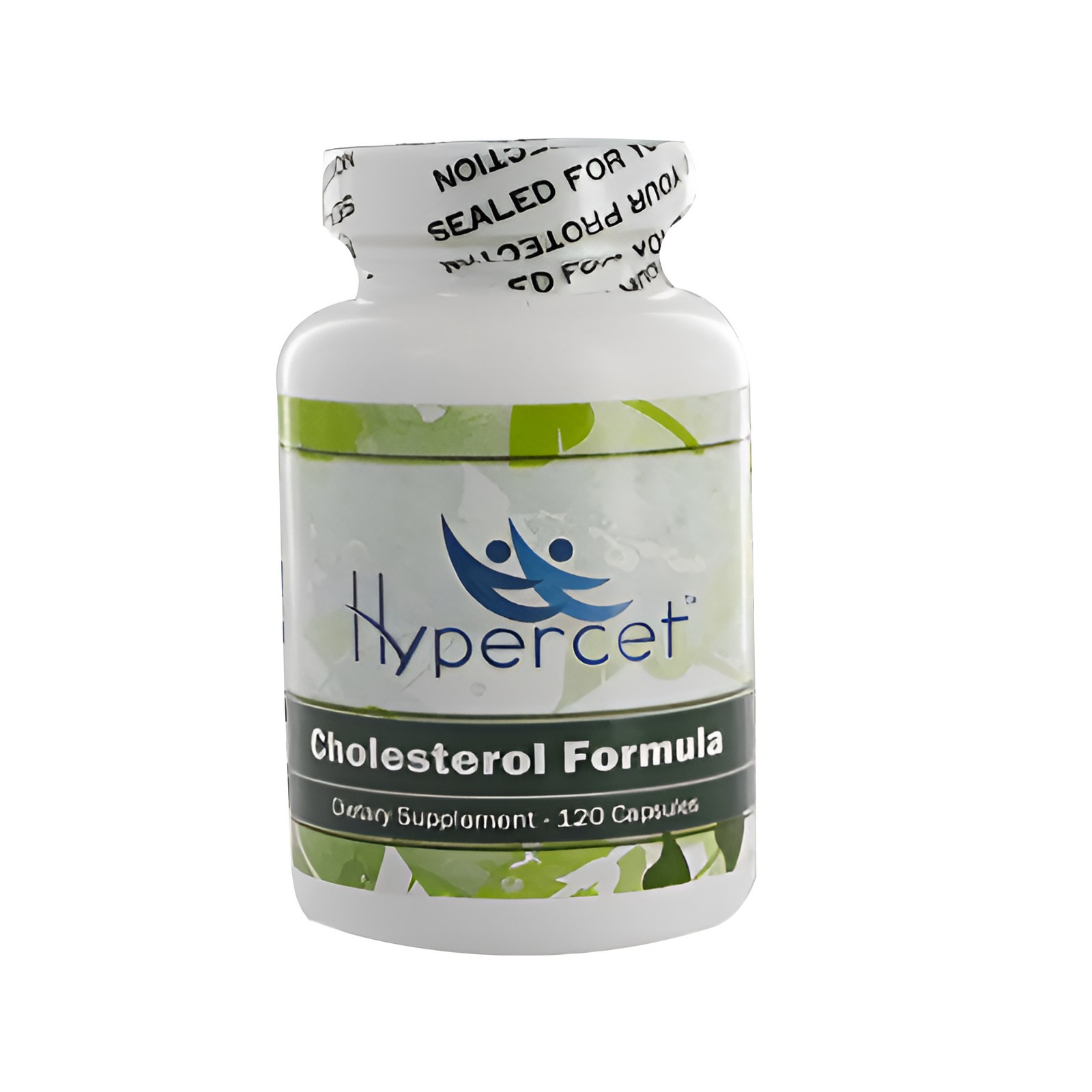
Hypercet Cholesterol Formula Dietary Supplement - 120 Capsules
Buy Now — opens in a new tab
FloTrol Bladder & Urinary Health Support Dietary Supplement - 1 Bottle
Buy Now — opens in a new tab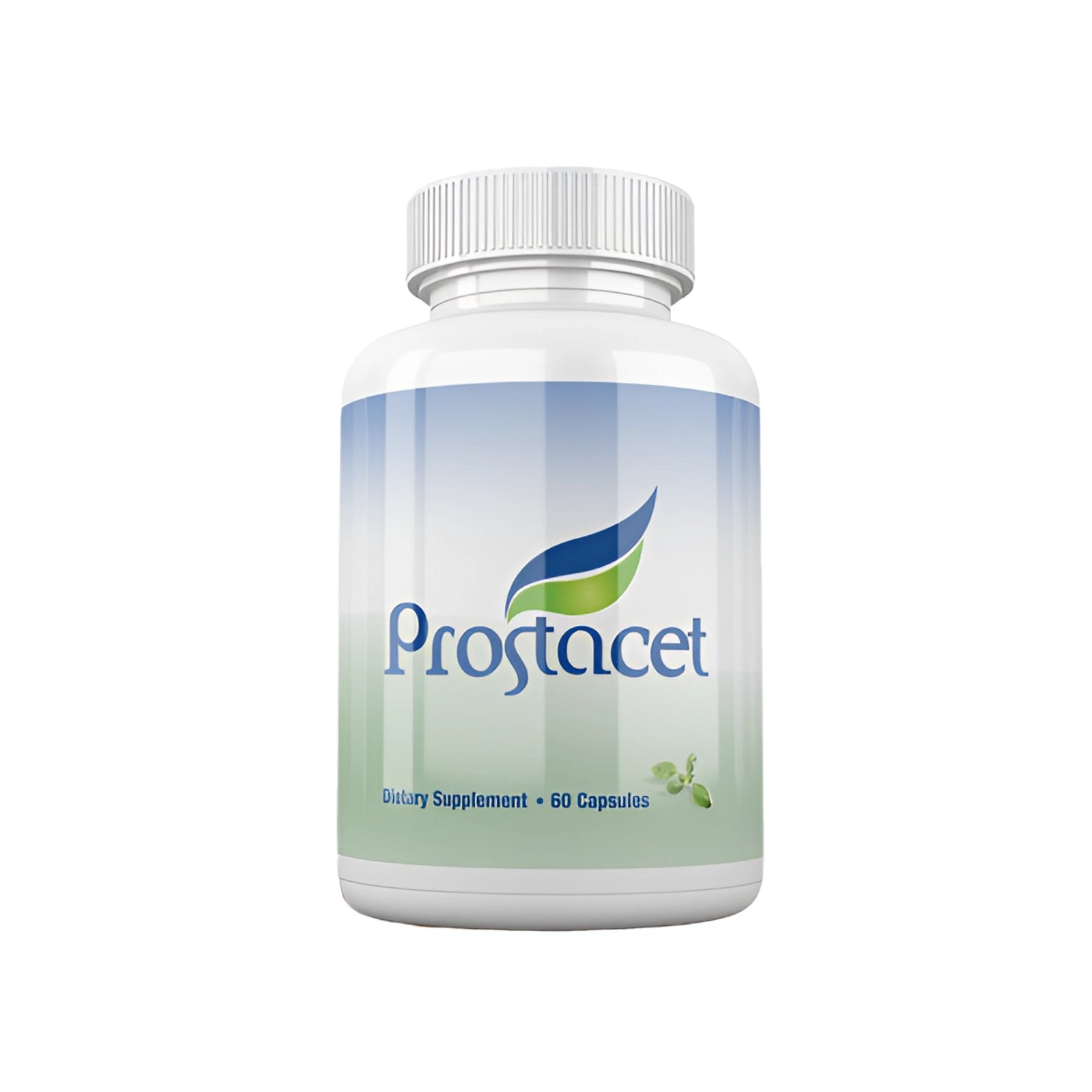
Prostacet Prostate Health Dietary Supplement - 60 Capsules
Buy Now — opens in a new tab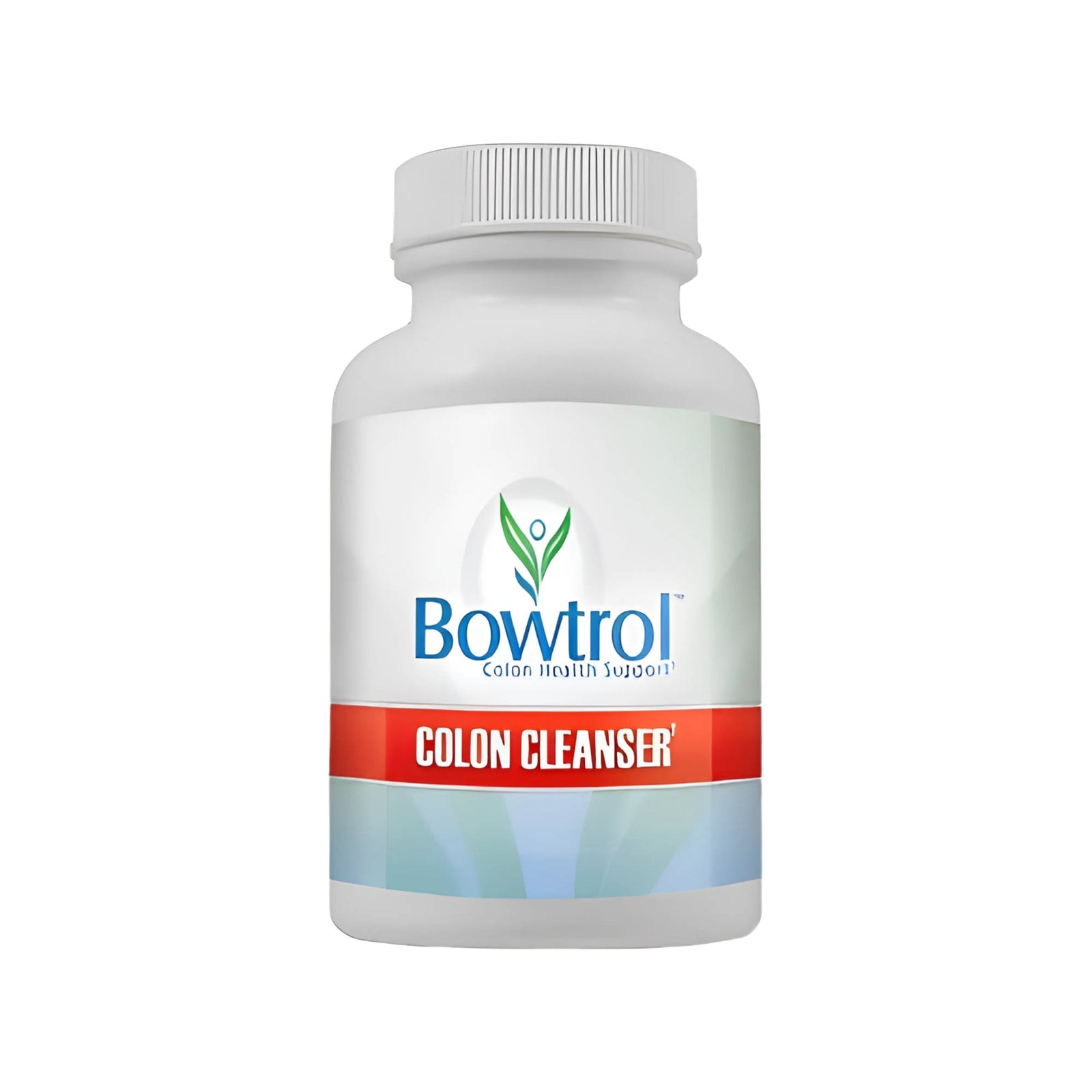
Bowtrol Colon Cleanser Digestive Health Supplement - 1 Bottle
Buy Now — opens in a new tabReading a lipid panel: recreate one ordinary bowl
Pick a meal you eat often, such as cereal with milk and berries. On one ordinary day, pour it into your usual bowl.
Published by How To Lose Weight Gallery · Request a correction
“The bag says two servings, but I usually eat one bowl.” That is a useful place to start a conversation about portions. A labeled serving describes the quantity used for the nutrition information. Your own portion is the quantity you ate. Neither is a unit for measuring triglycerides, which are reported from a blood sample. When the two topics come up together, separate the information you can measure at home from what belongs in your medical record.
Recreate one ordinary bowl
Pick a meal you eat often, such as cereal with milk and berries. On one ordinary day, pour it into your usual bowl. If comparing packages would help you, measure the cereal after pouring and look up the label's serving size. Then add the milk and berries the way you normally would. You may discover that the bowl holds more than the pictured serving or that a second helping changes the comparison. Neither discovery makes a food off limits. It gives you a more accurate description for a conversation about your eating pattern.
Do the same for a drink if it usually comes with the meal. A bottle might contain several labeled servings. Look for the amount per bottle or calculate from the number of servings you actually drink. The FDA guide to added sugars explains the difference between the added sugars line and the total sugars line. An estimate is fine when the goal is to describe breakfast rather than prescribe a diet.
Fill in the clinical information separately
Write down the triglyceride result as reported, its units, and when your blood was drawn. Note whether the clinic requested fasting and whether you ate or drank anything beforehand. The MedlinePlus guide to the triglycerides test explains why preparation and medical history can matter. A home portion measurement cannot be converted into a predicted number on a blood test.
Use the measurement once to learn what your regular bowl holds. Write it down before putting the cereal back, so the note describes the meal you would ordinarily pour.
Bring one everyday example rather than a list of everything you think you did wrong. You might ask, “Is my portion at this breakfast something you would change, or is there another priority in my results?” If the clinician recommends a change, ask how to judge whether it suits your needs and when to review your panel. You can use the same bowl to describe a practical change at the next visit. The clinician can use comparable blood results to address the separate question of your health.
Further reading on this topic
Triglyceride Context Checklist for Portion Control; an original educational graphic with no patient data, medical thresholds, or treatment claims.
5 views · Published Oct 12, 2026
Creator: How To Lose Weight Gallery
Copyright: How To Lose Weight Gallery
Image license
Hypercet Cholesterol Formula Dietary Supplement - 120 Capsules
Buy Now — opens in a new tab
FloTrol Bladder & Urinary Health Support Dietary Supplement - 1 Bottle
Buy Now — opens in a new tab
Prostacet Prostate Health Dietary Supplement - 60 Capsules
Buy Now — opens in a new tab


