

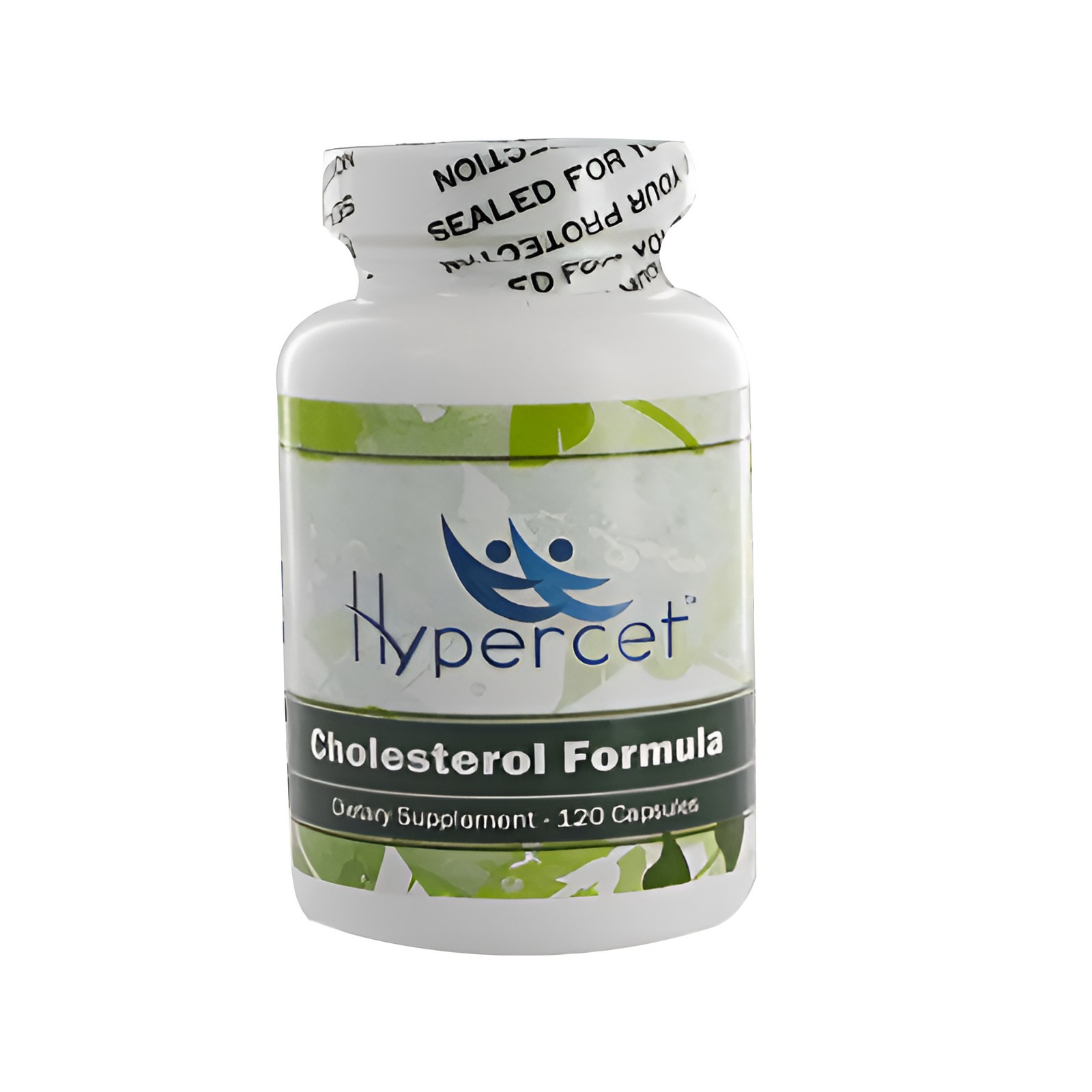
Hypercet Cholesterol Formula Dietary Supplement - 120 Capsules
Buy Now — opens in a new tab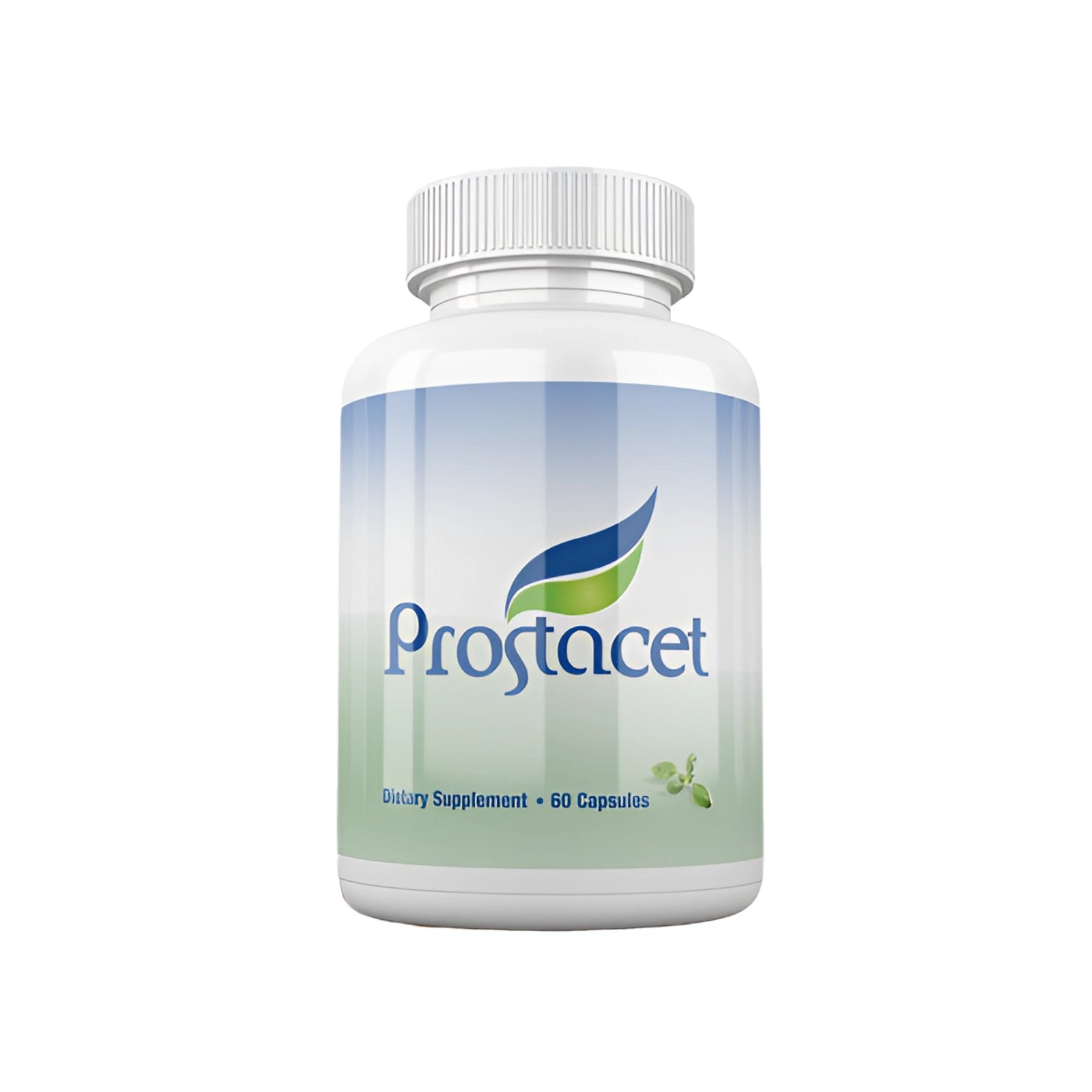
Prostacet Prostate Health Dietary Supplement - 60 Capsules
Buy Now — opens in a new tab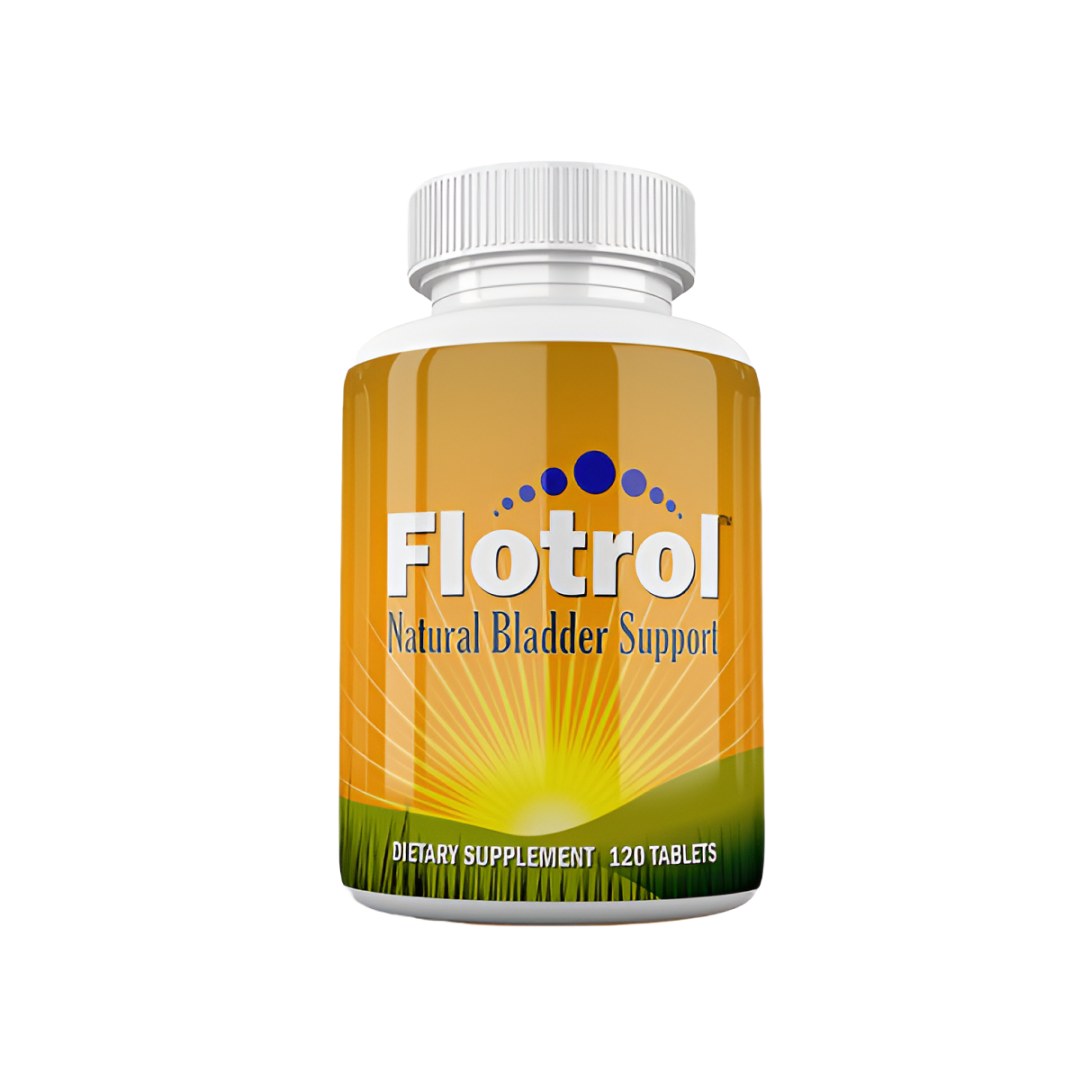
FloTrol Bladder & Urinary Health Support Dietary Supplement - 1 Bottle
Buy Now — opens in a new tab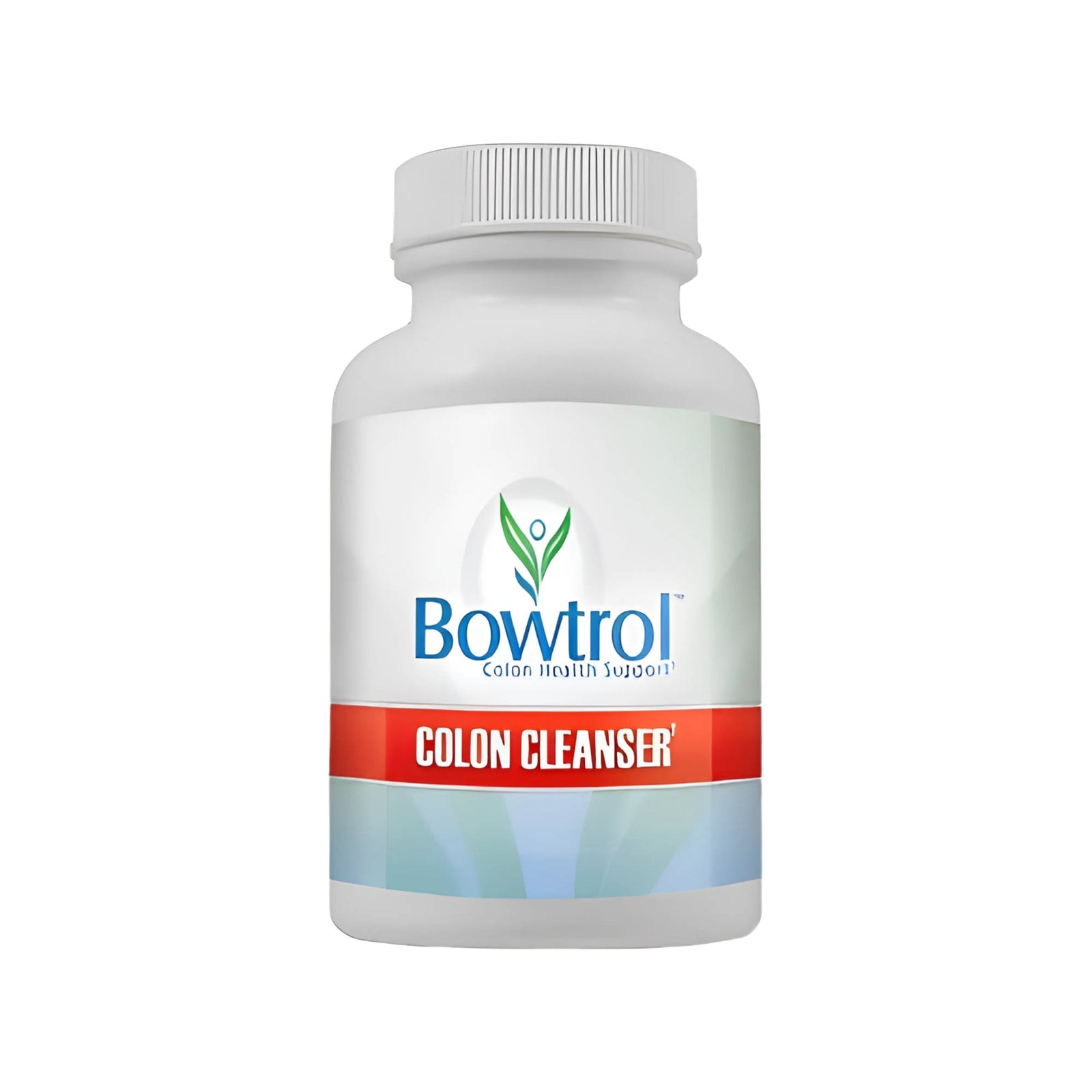
Bowtrol Colon Cleanser Digestive Health Supplement - 1 Bottle
Buy Now — opens in a new tabComparing the fats and fiber in two smoothies of the same size
Imagine two glasses of the same size. One contains berries, oats and plain low-fat yogurt.
Published by How To Lose Weight Gallery · Request a correction
What goes into a smoothie when you are watching LDL and HDL?
Imagine two glasses of the same size. One contains berries, oats and plain low-fat yogurt. The other contains coconut cream, sweetened syrup and a little fruit. Both can be called smoothies. Their names and color tell you very little about the fat, fiber or added sugars in each glass.
LDL and HDL on a blood test refer to cholesterol carried in different particles. Too much LDL can contribute to plaque in arteries. HDL transports some cholesterol back to the liver. No recipe can calculate either blood value from its ingredients. When a clinician recommends lowering saturated fat, scrutinize what goes into the blender and what the drink replaces during the day. MedlinePlus on cholesterol tests American Heart Association’s guide to cholesterol levels
Start with the liquid
Put your usual milk, yogurt or other base beside a possible substitute. Compare saturated fat for the amount you actually pour. A serving on the carton may differ from your measuring cup. Coconut products vary widely, so use their labels. If you use a sweetened base and sweetened fruit, try swapping one for an unsweetened version first. That makes it easier to find the texture and taste you want.
For a spoonable berry blend, use a handful of frozen berries, some plain yogurt and a small amount of rolled oats. Start with less liquid than you think you need. Add a little more and blend again if the blades stop circulating the mixture. For a thinner drink, use more of your chosen liquid. Whole fruit supplies its pulp, a texture and fiber difference you can notice when comparing it with strained juice. MedlinePlus guide to soluble and insoluble fiber
Portion the finished drink into your usual glass before judging the recipe. One blender jug might fill three small glasses or a single travel cup. If the smoothie is breakfast, consider what will keep you satisfied until lunch. If it is a snack after you have eaten, you might prefer to share the jug or blend a smaller amount. Neither deserves a promise about weight loss.
For a fair taste comparison, divide the fruit into two equal portions and change only the liquid base. Blend both until they reach a similar consistency. Taste a few spoonfuls before adding any syrup. You may prefer a tart version with berries or a sweeter one made with a ripe banana. That small trial can show whether the ingredient you planned to replace was responsible for sweetness, creaminess or simply extra volume in the jug.
If a powder advertises a rise in HDL or guaranteed cholesterol changes, keep the label for a clinician or pharmacist to review. You can make a useful change to an everyday drink without treating it as medicine. Ask your clinician when a repeat lipid panel would help assess the broader plan.
Further reading on this topic
LDL and HDL Context Guide for Weight Loss Smoothies; an original educational graphic with no patient data, medical thresholds, or treatment claims.
5 views · Published Oct 12, 2026
Creator: How To Lose Weight Gallery
Copyright: How To Lose Weight Gallery
Image license
Hypercet Cholesterol Formula Dietary Supplement - 120 Capsules
Buy Now — opens in a new tab
Prostacet Prostate Health Dietary Supplement - 60 Capsules
Buy Now — opens in a new tab
FloTrol Bladder & Urinary Health Support Dietary Supplement - 1 Bottle
Buy Now — opens in a new tab


