

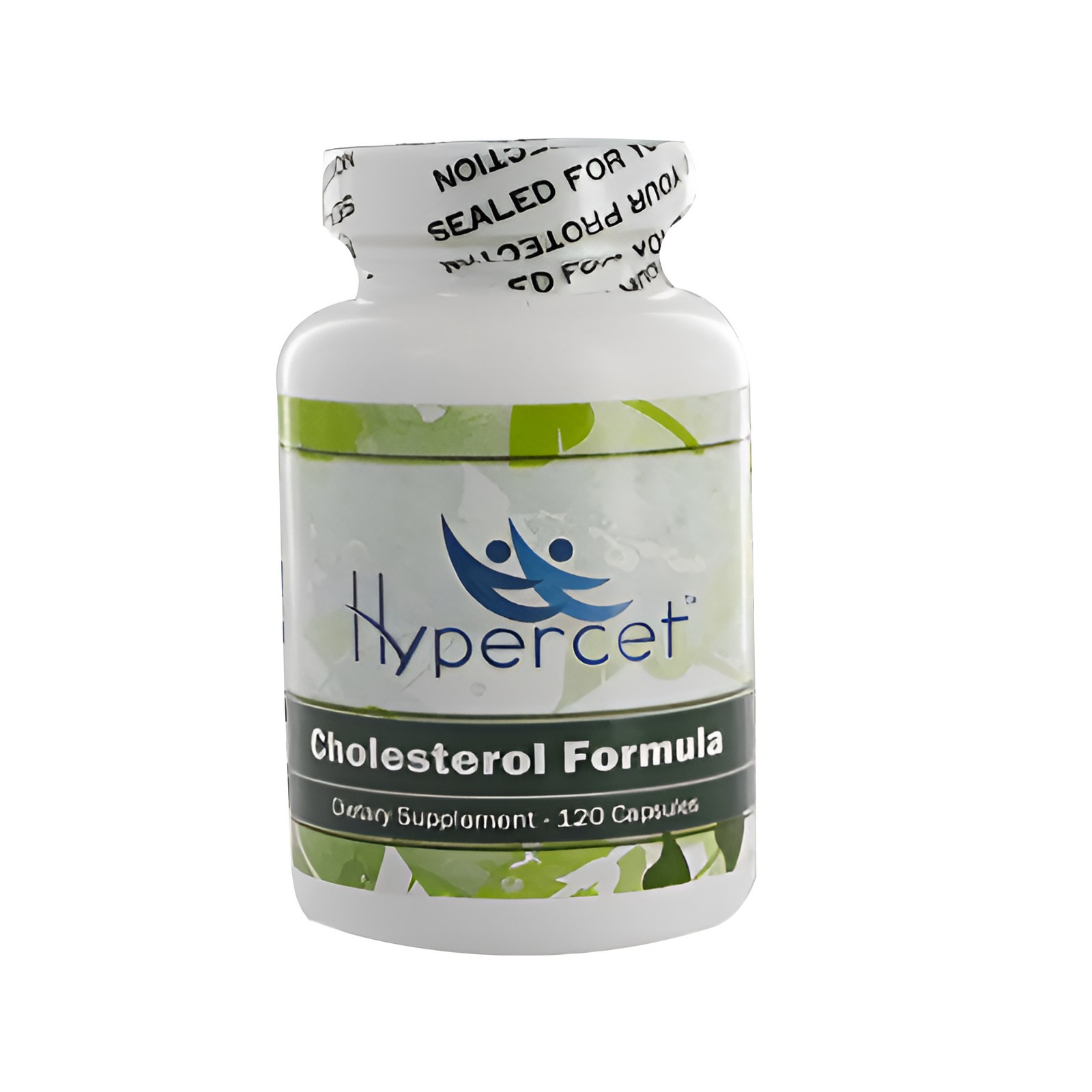
Hypercet Cholesterol Formula Dietary Supplement - 120 Capsules
Buy Now — opens in a new tab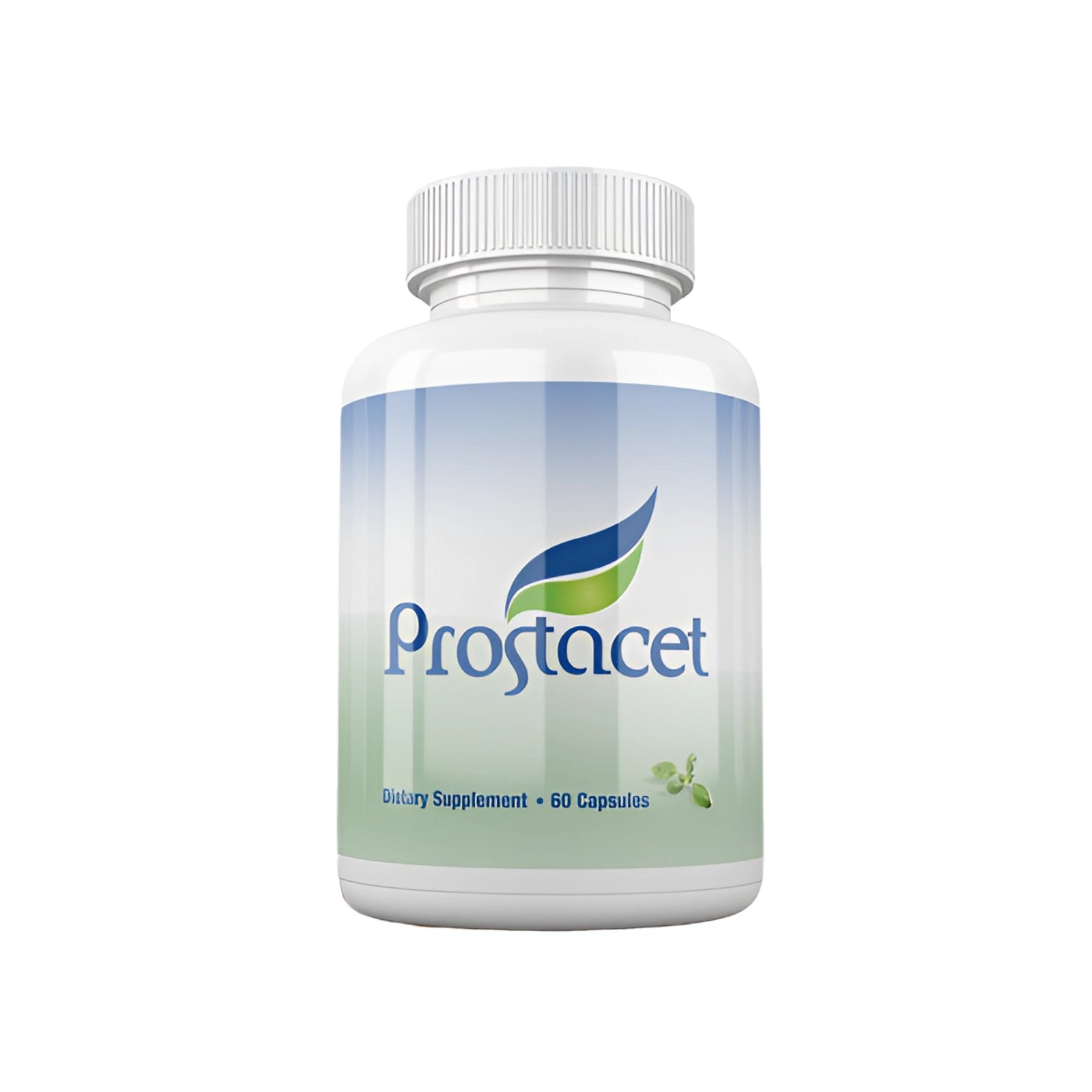
Prostacet Prostate Health Dietary Supplement - 60 Capsules
Buy Now — opens in a new tab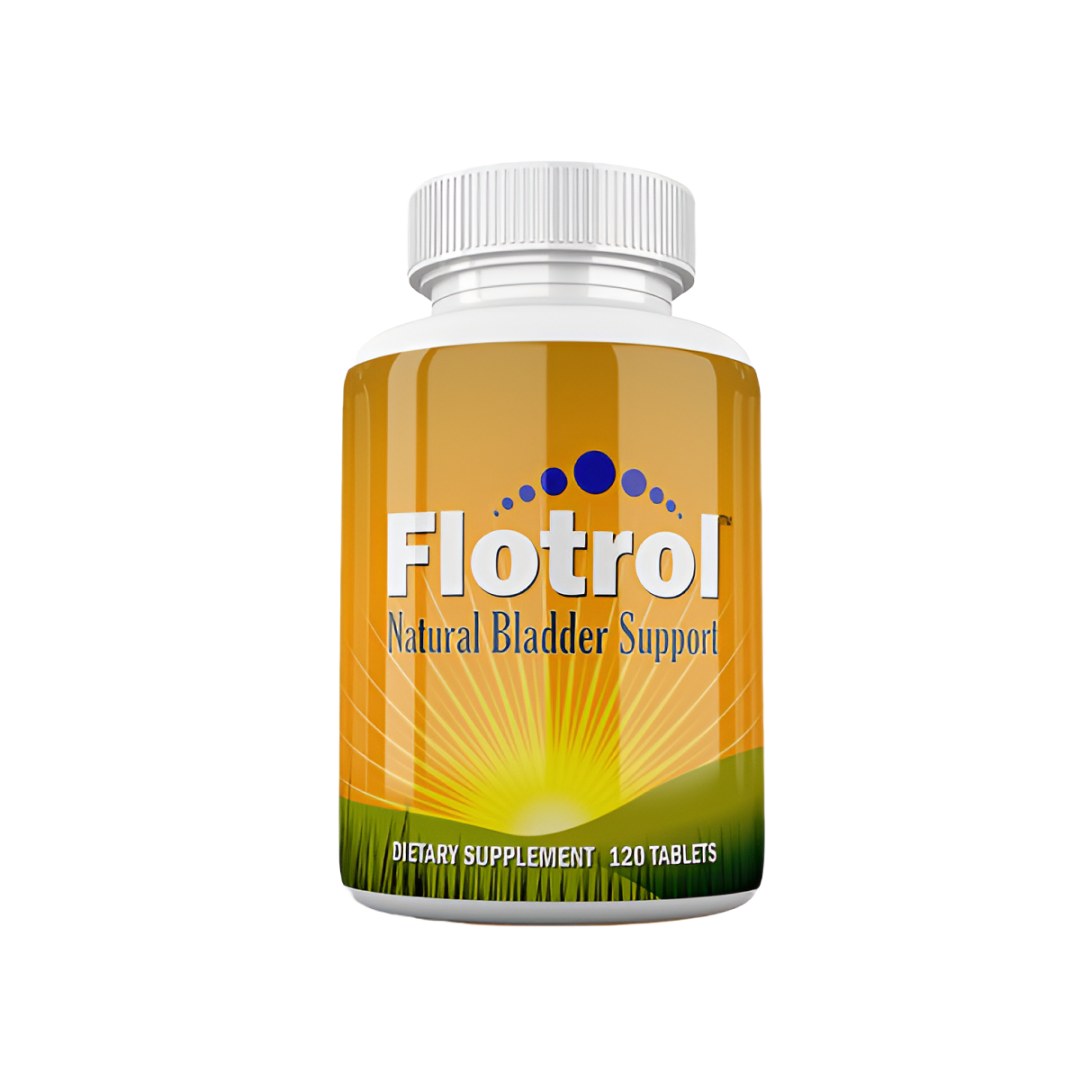
FloTrol Bladder & Urinary Health Support Dietary Supplement - 1 Bottle
Buy Now — opens in a new tab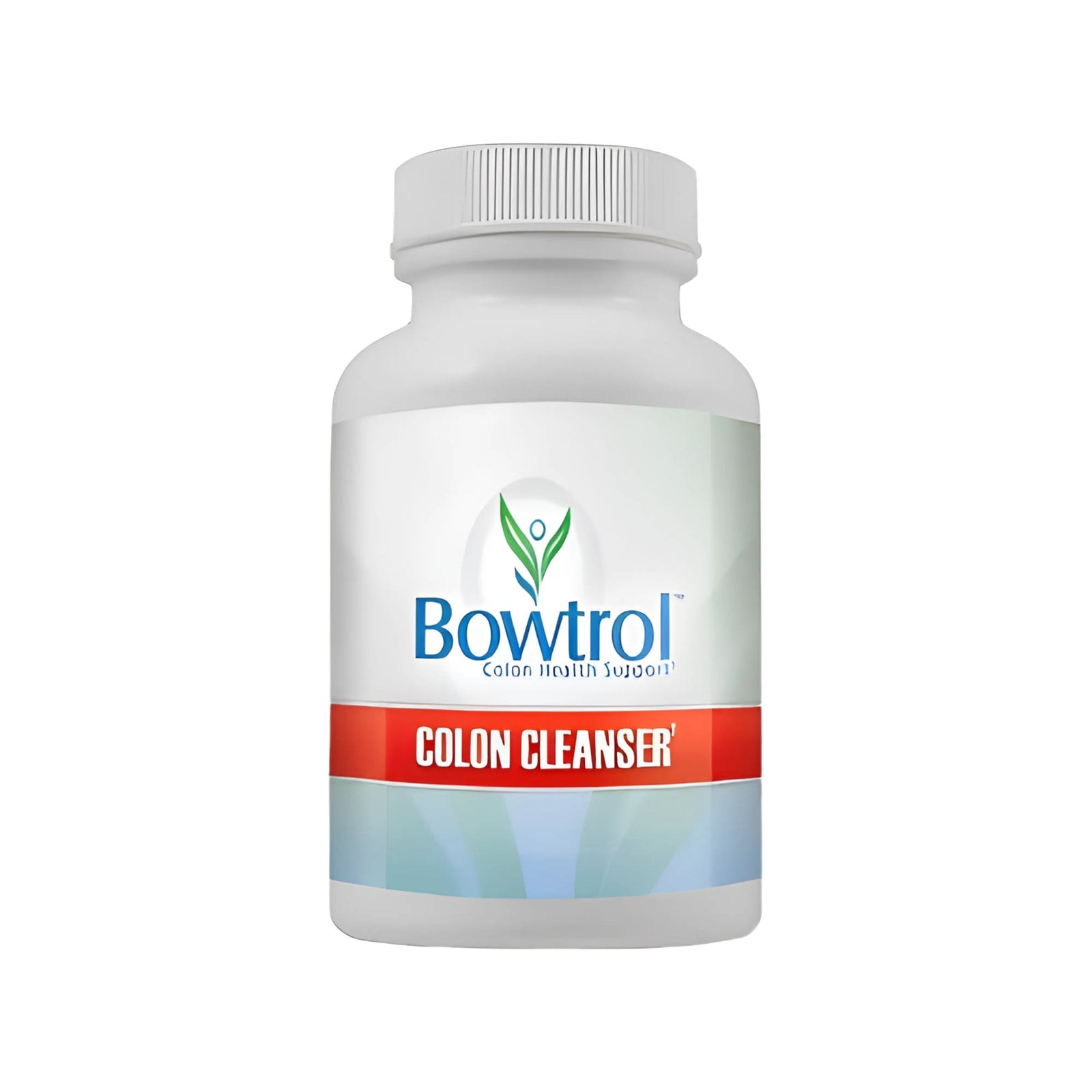
Bowtrol Colon Cleanser Digestive Health Supplement - 1 Bottle
Buy Now — opens in a new tabReading a lipid panel: bring the size of the smoothie cup into the conversation
“One smoothie” might be an eight-ounce homemade drink or a large takeaway cup shared across a whole morning. Make your regular recipe once and pour it into the cup you normally use.
Published by How To Lose Weight Gallery · Request a correction
Bring the size of the smoothie cup into the conversation
It can be hard to describe a smoothie in a clinic visit. “One smoothie” might be an eight-ounce homemade drink or a large takeaway cup shared across a whole morning. Make your regular recipe once and pour it into the cup you normally use. Record how many cups it fills and how many you actually drink.
Separate ingredients that taste sweet. A banana or plain milk contributes naturally occurring sugar. Honey, maple syrup and sweetened syrups provide added sugars. On U.S. Nutrition Facts labels, added sugars are included in total sugars. A quick glance at the total sugar line alone cannot tell you where it came from. The FDA explains the added sugars label.
Take your recipe and test results to the appointment. Ask “Does the amount of added sugar or the usual portion matter for the triglyceride level you mentioned?” and “What would you change first if this is my breakfast?” If you want a less sweet version, consider keeping the fruit you enjoy and leaving out a syrup you barely taste. Changing one thing makes the result easier to judge.
Practice serving the drink before you estimate it
For a familiar blender jug, the marked volume can be easier to read than the size printed on a takeaway cup. Suppose the recipe makes three cups in total. If you and another person pour equal drinks, each gets half the ingredients, even if the recipe website describes the batch as three servings. If you drink most of the jug and save a small glass for later, note the actual split rather than assuming that each glass is one serving.
Next, list the liquid separately from the fruit. “Frozen berries and milk” is a different recipe from “frozen berries, sweetened juice drink and two pumps of flavored syrup.” Look at the ingredient list if you are unsure whether a packaged yogurt or plant drink is sweetened. If you prefer the sweetened ingredient and use little of it, say so. You and the dietitian may find a more workable change elsewhere in the recipe.
Bring the observation back to the blood test. If your care team asked about fasting, mention whether the smoothie was consumed before the blood draw and how long beforehand. If it is simply a breakfast you have several times a week, describe that habitual pattern separately. Those are two distinct reasons a clinician might ask about the same drink.
If you have been told to manage carbohydrates for diabetes, ask your own care team how to count the full drink. The added sugar figure is only one piece of that question.
Further reading on this topic
Questions for Your Clinician for Healthy Smoothies; an original educational graphic with no patient data, medical thresholds, or treatment claims.
2 views · Published Oct 12, 2026
Creator: How To Lose Weight Gallery
Copyright: How To Lose Weight Gallery
Image license
Hypercet Cholesterol Formula Dietary Supplement - 120 Capsules
Buy Now — opens in a new tab
Prostacet Prostate Health Dietary Supplement - 60 Capsules
Buy Now — opens in a new tab
FloTrol Bladder & Urinary Health Support Dietary Supplement - 1 Bottle
Buy Now — opens in a new tab


