

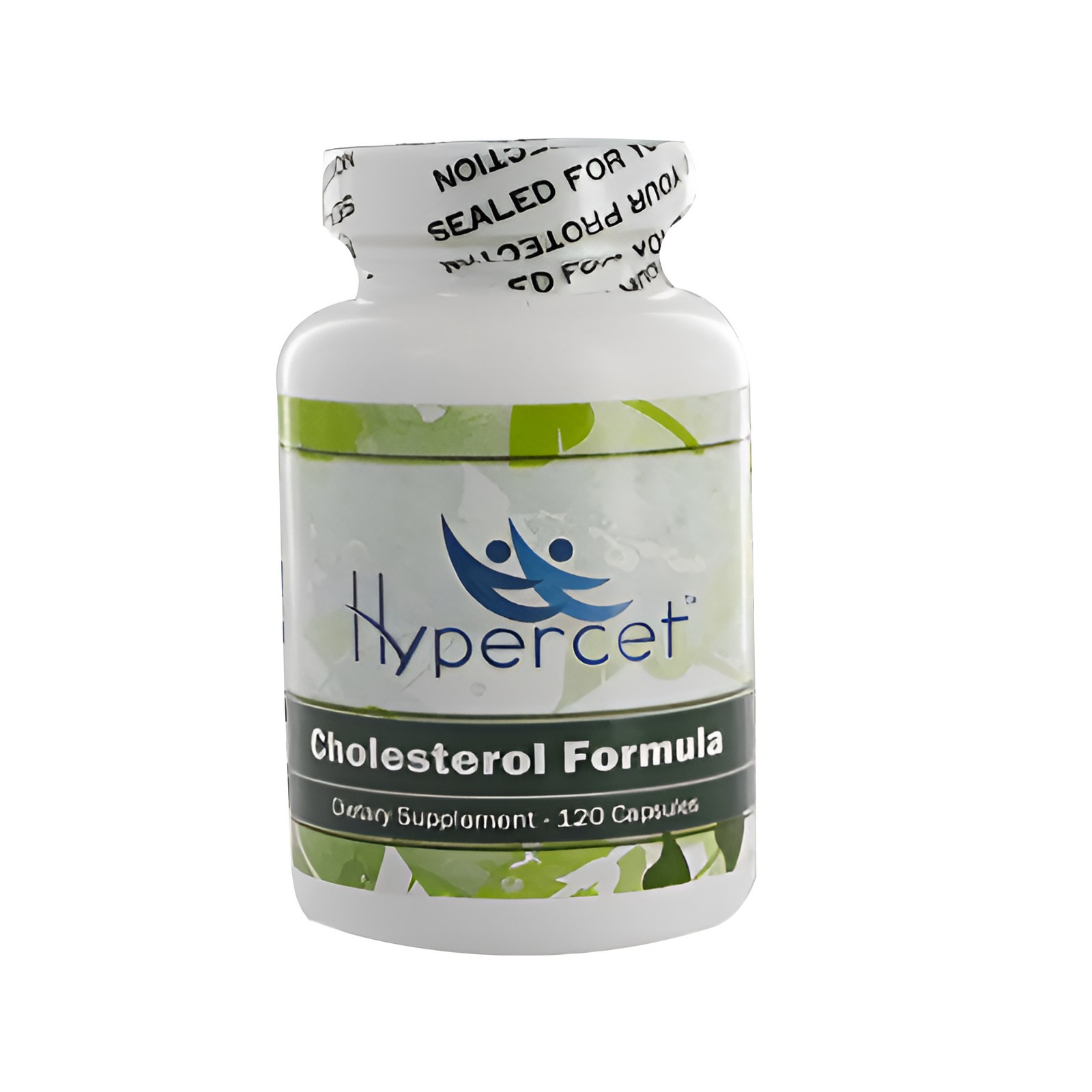
Hypercet Cholesterol Formula Dietary Supplement - 120 Capsules
Buy Now — opens in a new tab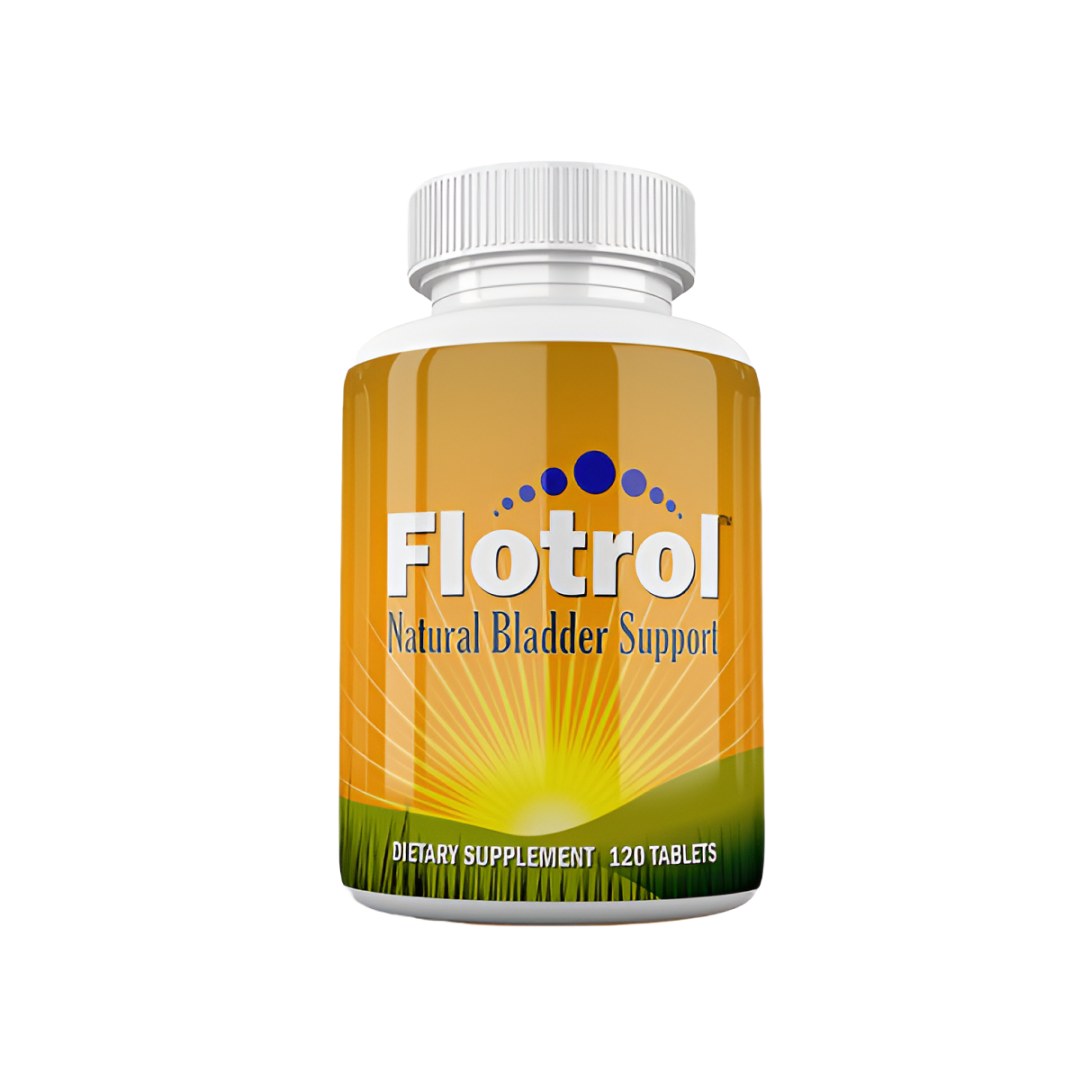
FloTrol Bladder & Urinary Health Support Dietary Supplement - 1 Bottle
Buy Now — opens in a new tab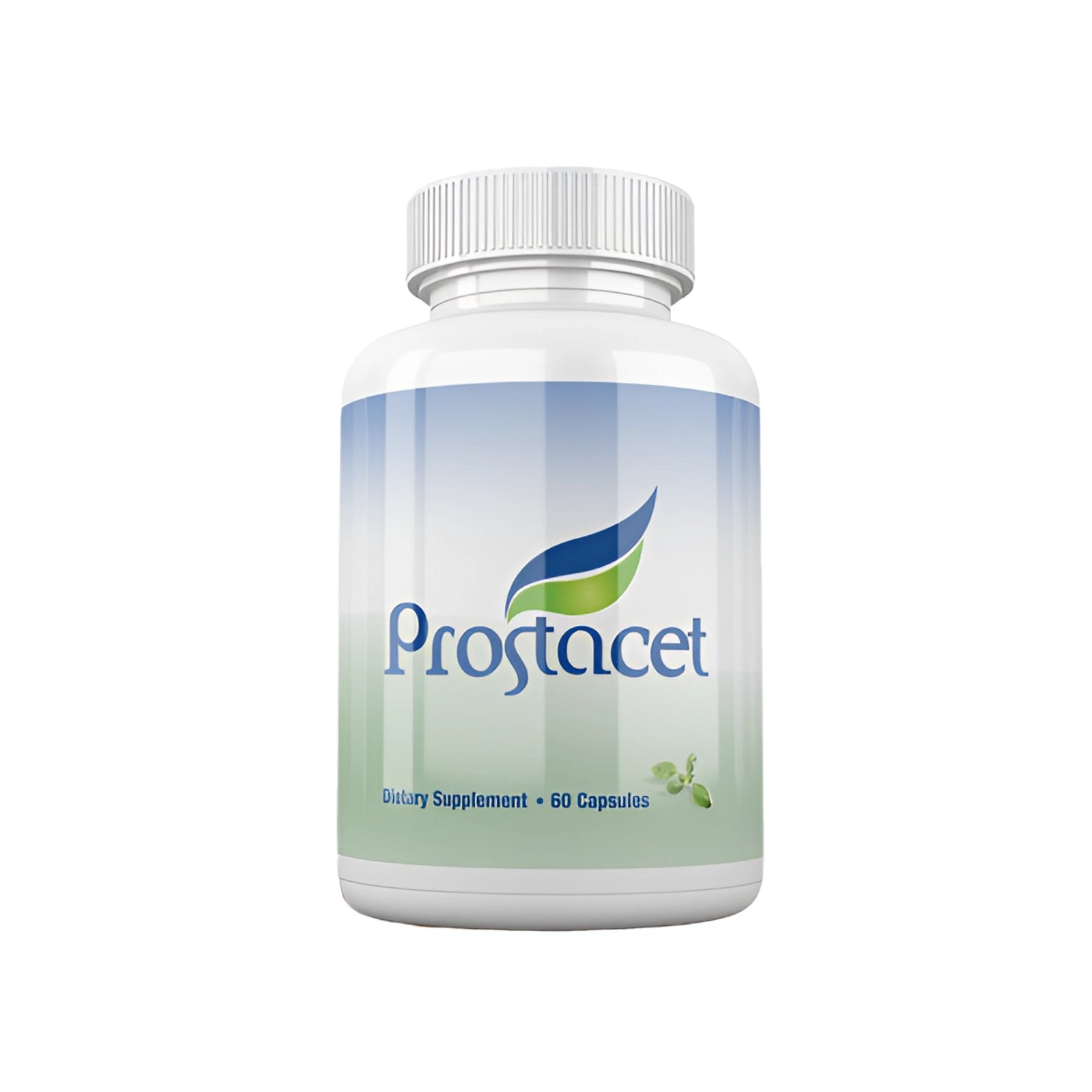
Prostacet Prostate Health Dietary Supplement - 60 Capsules
Buy Now — opens in a new tab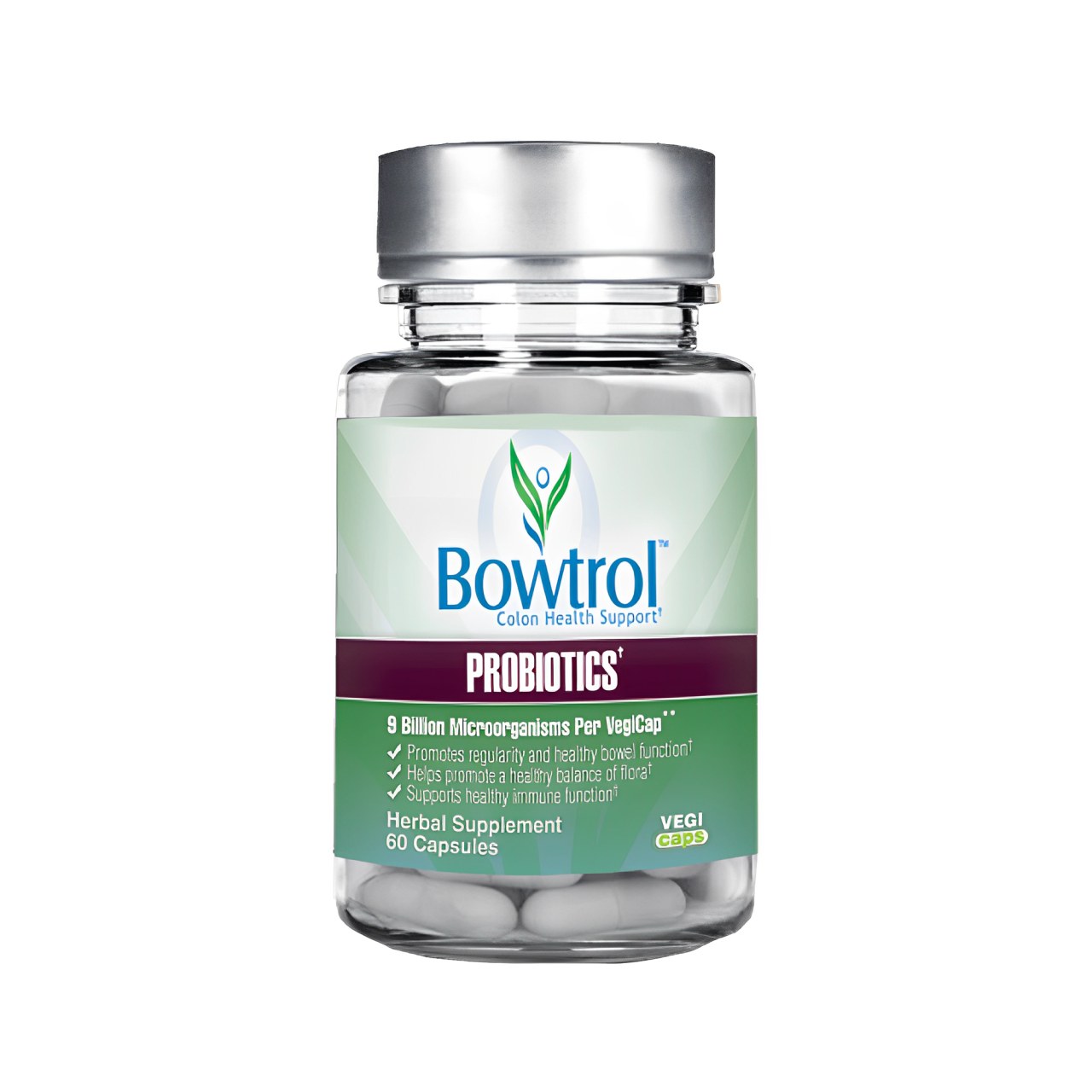
Bowtrol Probiotics Digestive Health Supplement - 60 Capsules
Buy Now — opens in a new tabTaking a walking log to a cholesterol follow-up
If you have been walking regularly, you may already have a useful record of distance, time or how you feel on hills. When a cholesterol test comes back, keep the walking record and the lab report on different lines.
Published by How To Lose Weight Gallery · Request a correction
Pairing a walking record with a non-HDL result
If you have been walking regularly, you may already have a useful record of distance, time or how you feel on hills. When a cholesterol test comes back, keep the walking record and the lab report on different lines. A step counter can show activity even on a week when no blood was drawn. It cannot estimate your non-HDL cholesterol.
Why there is a separate figure
The lab starts with total cholesterol and subtracts the HDL portion. Non-HDL includes cholesterol carried by LDL and several other particles that can contribute to plaque. A result of 4.0 mmol/L total with HDL of 1.1 mmol/L, for instance, would yield 2.9 mmol/L non-HDL. This is just an example of the subtraction. Your own result needs to be interpreted alongside other cardiovascular risks and treatment history. NHS explanation of cholesterol results
Keep a walking record that means something to you
Pick a route or activity you can repeat. Maybe that is walking to a bus stop, going around a park while a child plays or taking a break between meetings. Record the days you went, the approximate time and whether you needed to change the route. A rainy day indoors can still count if you walked at a shopping center or in your building. If counting steps makes walking less enjoyable, time or completed trips can work just as well.
For a second measure of progress, note a practical change. Can you walk to the shop without the same pause? Do you feel more confident getting out regularly? These observations can inform a conversation about activity even if the scale hasn't moved. Walking is one of several ways to take part in aerobic activity. American Heart Association guide to exercise
When you meet your clinician, provide the date you began, your current pattern and any conditions or medicines that changed during that period. Take the full lipid panel, including LDL, HDL and triglycerides, if available. Ask what role non-HDL plays in your individual plan and whether the next test has to be done under particular conditions.
If your phone loses the route or you forget the watch, record the trip from memory in plain words. “Walked to the pharmacy and back after lunch” is a perfectly good activity note. Leave the missing distance blank. Apply the same principle to the medical record. If the earlier panel did not include a non-HDL figure and you do not have its total and HDL, wait for the full report rather than inserting an estimate.
A useful agreement might include one action for your walking routine and a separate date for lab follow-up. You can check that you walked the route this week. You do not have to wait for, or try to predict, a cholesterol result to recognize that progress.
Further reading on this topic
Non-HDL Cholesterol Basics for Walking for Weight Loss; an original educational graphic with no patient data, medical thresholds, or treatment claims.
3 views · Published Oct 12, 2026
Creator: How To Lose Weight Gallery
Copyright: How To Lose Weight Gallery
Image license
Hypercet Cholesterol Formula Dietary Supplement - 120 Capsules
Buy Now — opens in a new tab
FloTrol Bladder & Urinary Health Support Dietary Supplement - 1 Bottle
Buy Now — opens in a new tab
Prostacet Prostate Health Dietary Supplement - 60 Capsules
Buy Now — opens in a new tab


